"Selection by Coffeedesk" is our in-house recommendation that combines expert quality assessment, customer popularity, and product freshness — so you always see the best coffees at the top.
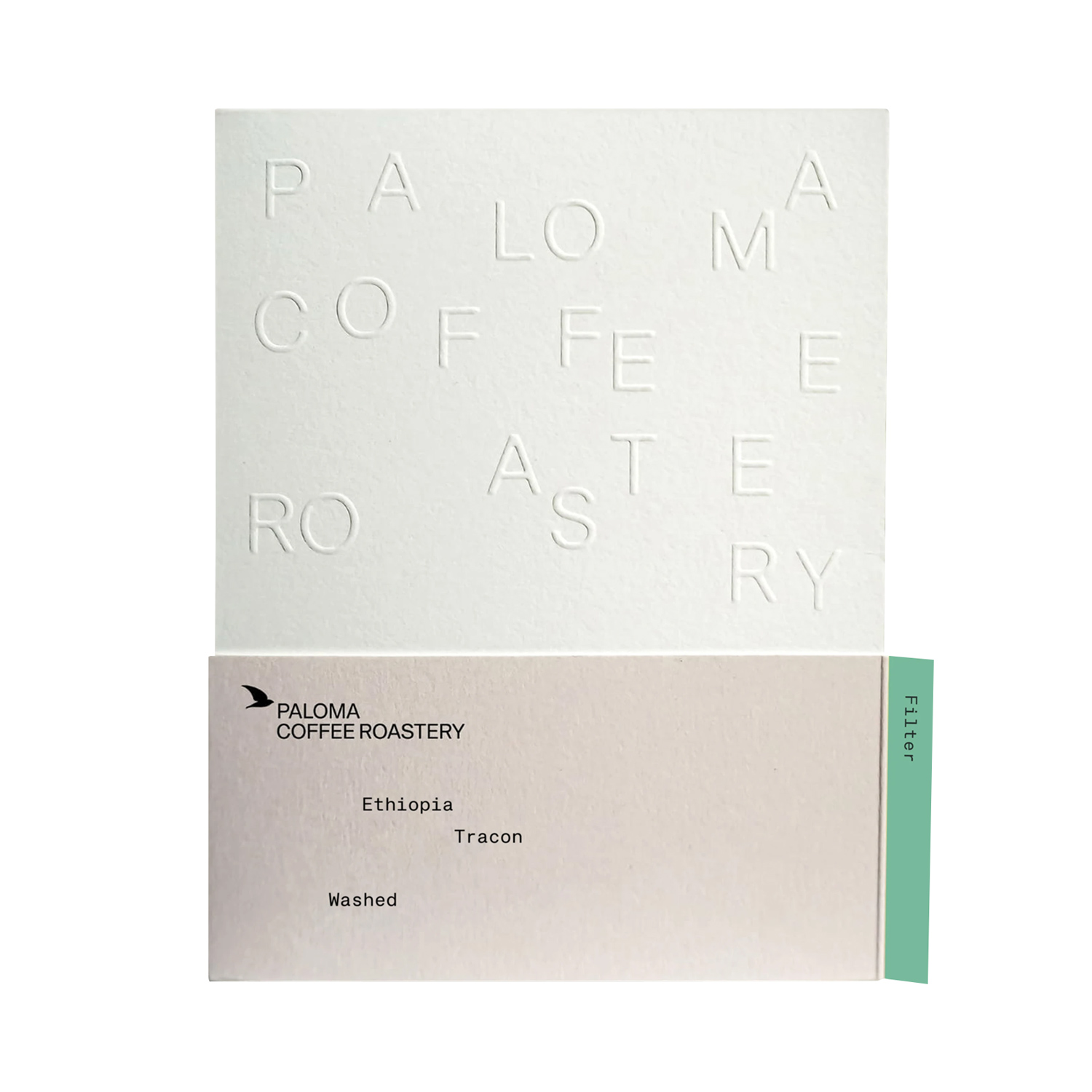
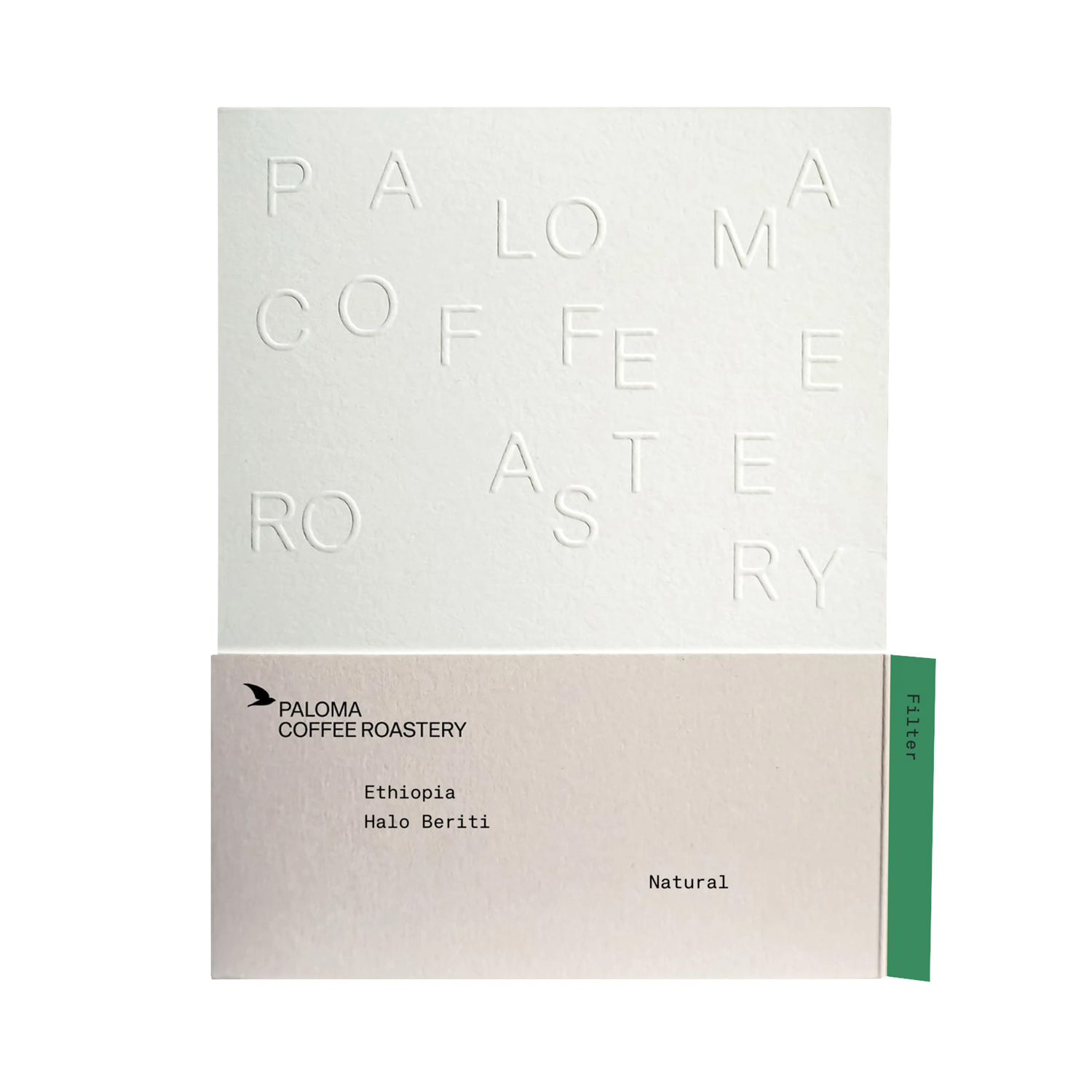
Specialty-grade whole-bean coffee from Ethiopia, roasted by the Polish roastery Paloma. Light roast – perfect for pour-over brewing methods such as drip, Chemex, AeroPress, French Press, batch brewers, and other alternative methods. In the cup, you’ll find notes of lemon, white flowers, raspberry and sugar.Origin: EthiopiaRegion: Oromia, GujiProcessing method: WashedVariety: HeirloomAltitude: 1900 - 2100 m a.s.l.Cupping score: 85 / 100This coffee comes from various farms located in the Guji, Sidamo, and Yirgacheffe regions of Ethiopia:Guji Region is located in the southern part of the country, in the Oromia region. Until recently, it was administratively part of Sidamo, but it now functions as a distinct coffee region. The area is largely forested and offers excellent conditions for growing Arabica. Coffee trees grow here at altitudes above 1,500 meters above sea level, in fertile, well-drained soils of volcanic origin that require little fertilization. The climate is warm but moderated by the altitude, with annual rainfall of 1,500–2,500 mm spread over about nine months. Temperatures usually remain within the range of 15 to 24°C. Over the past few decades, Guji has established its position as one of the most recognized and valued coffee-producing regions in Ethiopia.Sidamo is recognized as the largest coffee region in Ethiopia. It encompasses the fertile highlands located south of Lake Awasa in the Rift Valley. Crops are situated at altitudes ranging from 1,500 to 2,200 meters above sea level, which promotes slower ripening of the coffee cherries in a cooler climate. As a result, coffees from this region stand out with their natural sweetness and pleasant acidity. Highly fertile soils and annual rainfall of 1,200 to 2,000 mm create ideal conditions for growing high-quality coffee.Yirgacheffe lies in the central part of the Gedeo zone in southwestern Ethiopia. This region is famous for producing coffees of exceptional quality, which is influenced by fertile soils, a tropical climate, and high-altitude plantations, often exceeding 2,000 meters above sea level. Due to the altitude of the crops, local coffees are classified as SHG (Strictly High Grown) or SHB (Strictly Hard Bean). This means that the cherries ripen more slowly, allowing the plants to deliver nutrients to the beans for a longer period. The result is a more complex and distinct flavor profile, with a characteristic intensity of aromas.Store in a dry and cool place.
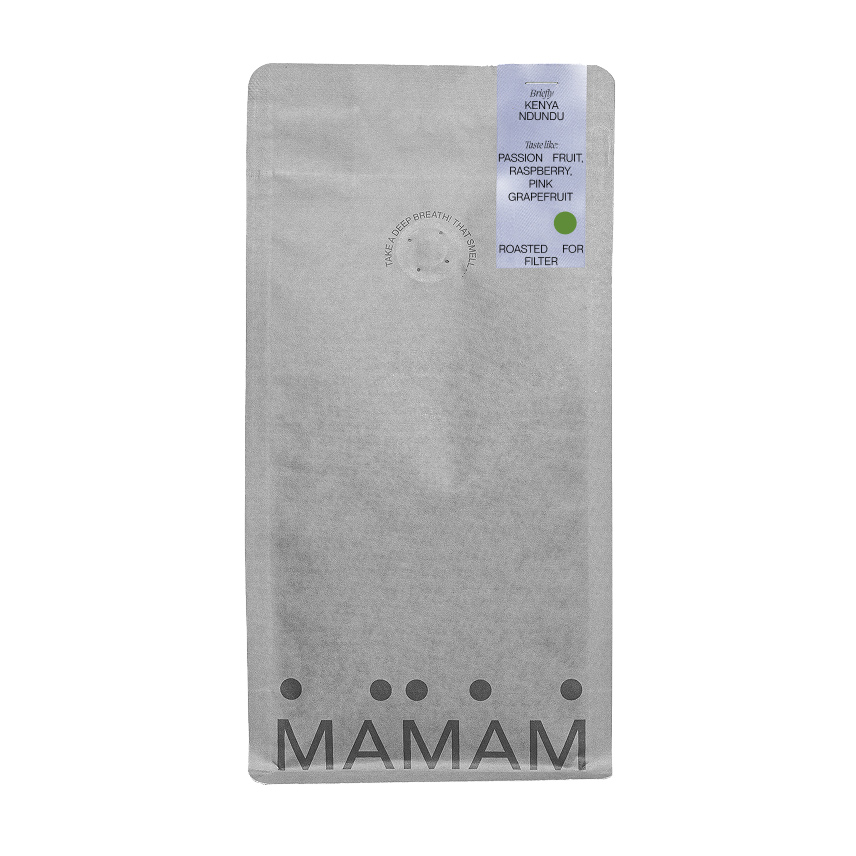
Whole-bean specialty coffee from Kenya, roasted by MAMAM roasting brand. Light roast, perfect for filter coffee machines, drippers, Chemex, AeroPress, French Press, and other pour-over brewing methods. The flavour of the brew resembles passion fruit, raspberry and pink grapefruit.Origin: KenyaRegion: KiganjoFarm: Ndundu FactoryVariety: SL-28, SL-34Processing: WashedAltitude: 2000 m a.s.l.Cupping score: 88 / 100 ABOUT THE FARMThe affiliate members of the co-op are required to be extremely diligent to carry out all agronomic activities associated with high quality coffee production, including sourcing coffee seeds from the Coffee Research Institute?s Coffee Research Station. Planting and cultivating is implemented according to the guidelines submitted by the group leaders and technical advisors. Fieldwork involves weeding, pruning, application of fertiliser, mulching and technical advice. Technical advice is offered through farmer training programs and field visits offered by the ministry of agriculture.As for the rest of the coop in the Ndundu factory all coffee cherries are handpicked and are delivered to the mill the same day, where they will get rigourously sorted through floatation tanks, whilst factory employees oversee the process and any under ripe or damaged cherries will not be accepted by the “Cherry Clerk”, who keeps meticulous records of how much coffee each producer delivers on any given day and thus how much payment is due once the coffee has been sold.PB means peaberry. Peaberry is the name given to a very specific shape of coffee bean, which is the result of a natural mutation of the coffee cherry. While there are usually two beans in each fruit, a cherry with a peaberry mutation produces only one rounder bean. Peaberry mutations occur in approximately 5% of all coffee varieties. These beans are known for being rounder, smaller, and denser, which, when handled correctly, can contribute to a more even roast color.PROCESSINGCoffee cherries are carefully handpicked at peak ripeness by smallholder farmers and delivered to the factory for processing. The cherries undergo a Fully washed method, where they are first sorted, then pulped to remove the outer skin. Parchment is then fermented in concrete tanks for 12 to 24 hours, depending on temperature and climate conditions, to break down the mucilage. After fermentation, parchment is washed through grading channels using fresh water. During the peak season, parchment may be soaked in clean, circulating water for up to 24 hours before being transferred to raised beds for drying. The drying process lasts 5 to 21 days , with workers frequently turning the parchment and covering it during the hottest part of the day to ensure even drying and prevent defects.VARIETYSL28 is one of the best known and most respected African varieties. From Kenya, where it was originally selected in the 1930s, it has spread to other parts of Africa (it is particularly important in the Arabica growing areas of Uganda) and now to Latin America. The variety is suitable for medium to high altitudes and is drought tolerant, but susceptible to the main coffee diseases. SL28 is characterised by rusticity, a trait that means it can be left untended for several years or even decades and then return to successful production. Many parts of Kenya have SL28 trees that are 60-80 years old and still productive. The variety was selected at the former Scott Agricultural Laboratories (now the National Agricultural Laboratories, NARL, located in Kabete). The individual tree selections made at Scott Laboratories between 1935 and 1939 were prefixed with SL. There were 42 in total and they were examined for yield, quality and resistance to drought and disease. Recent genetic tests have confirmed that SL28 is related to the Bourbon genetic group. It has become valued for its sweet, complex flavour with vinous undertones.SL34 was originally selected in Kenya in the late 1930s at Scott Agricultural Laboratories. It is very susceptible to major diseases such as coffee rust, coffee berry blight and coffee berry disease. Therefore, proper disease control and prevention strategies are essential for its successful cultivation. Recent genetic tests have shown that SL34 is related to the Typica genetic group. The variety is known for its exceptional cup quality, full body and pleasant acidity.ROASTER'S OPINIONCrisp, acidic, and fruity. A prominent acidity balanced by the sweetness of ripe citrus fruits. Perfect both hot and cold.RECIPE V6016g of coffee250g of water 96°CMedium Grind Size 1. Put a paper filter in your V60 and rinse it with hot water ( 96C ). It will preheat your drip brewer and gets rid of a paper taste from the filter. For the best results always use filtered water (remember that 98,5 % of your brewed coffee is water)2. Remove the rinsing water from the server.3. Grind your beans just before you brew and add the coffee to the drip brewer. Gently distribute your coffee into the center of your V60.4. Place your V60 on a vessel on a scale and make sure that your water is 96 C.5. Tare your scale and start the timer.6. Add 50 grams of water. Your coffee will begin to bloom.7. At 30 seconds, add more water up to 100 grams. Pour the water slow, gently and in clockwise circles.8. At 00:50 pour hot water to 200g. 9. At 01:10 pour hot water to 250g.10. Swirl your V60 and let the coffee drip. 11. The water should have drained in around 3:00. You may need to change your grind setting, when the coffee finishes to brew too quickly or too long. But always taste and then judge your coffee.Store in a cold and dry space.
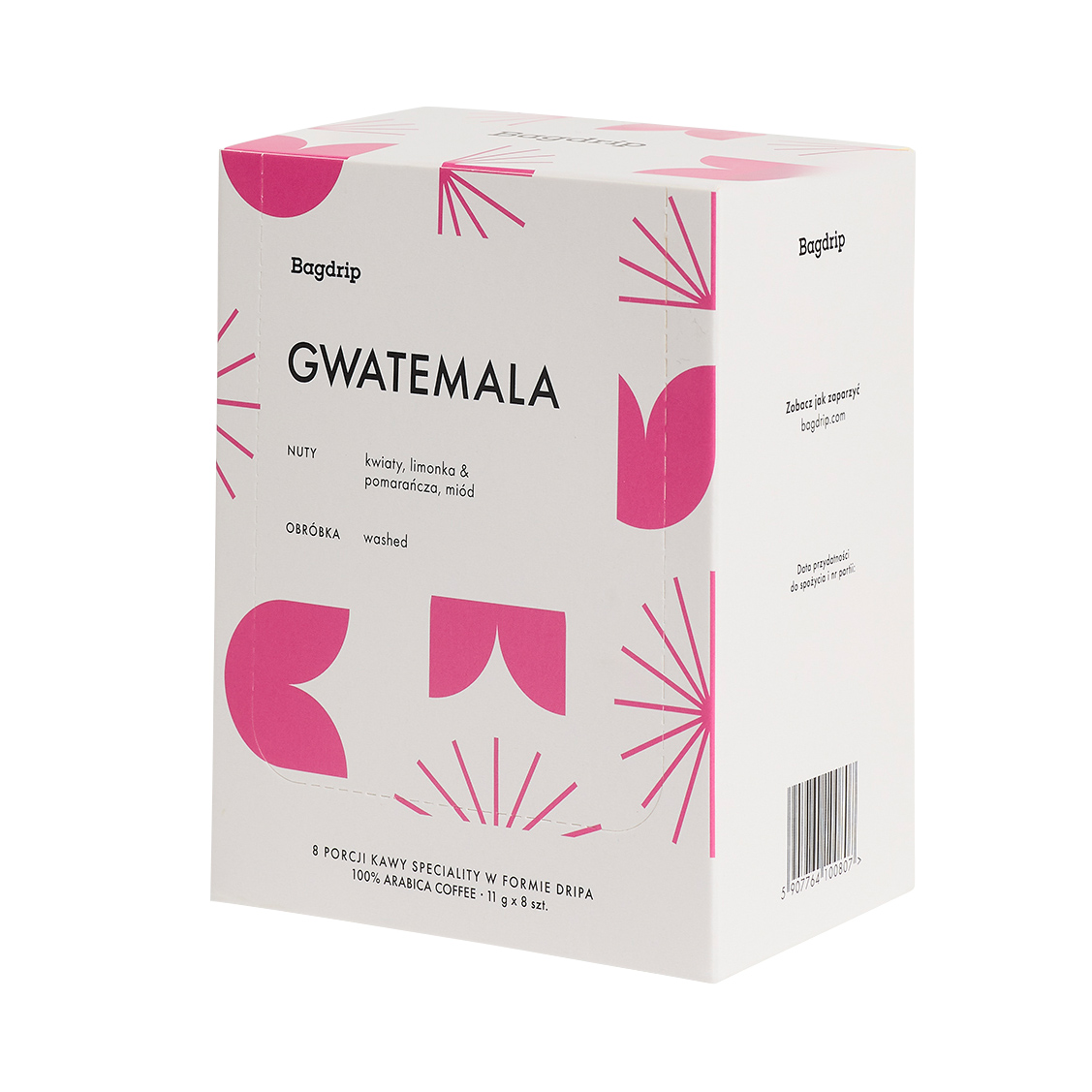
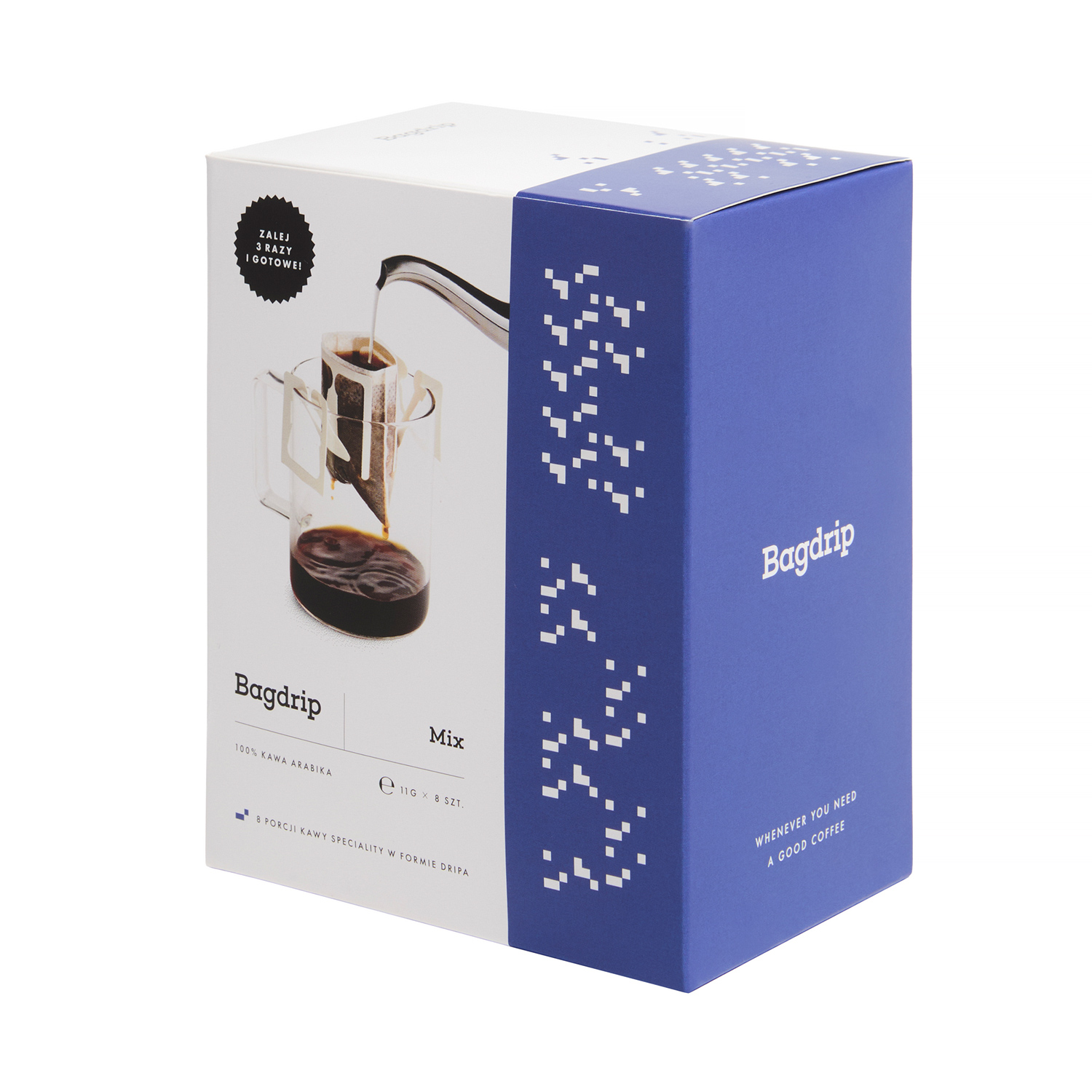
What is Bagdrip?Bagdrip is a coffee and a filter in one. In each bag, you will find 11 grams of light-roast ground speciality coffee from Guatemala. It is enough to brew a single cup of coffee (185 ml). You will only need hot water and a cup. Perfect flavour wherever you want - when travelling or at home, quickly, without much effort or equipment.In this sachets you will find coffee from Guatemala with flavour of flowers, lime, orange and honey.Brewing method1. Open the sachet and take out the filter.2. Rip open the top of the filter and spread the paper hooks. Put it on a mug.3. Fill half of the filter with hot water and wait 30 seconds. Next, fill the filter three times to the top. Wait for the water to flow through the coffee after each pour.4. Discard the Bagdrip and it's done!Store in a cold and dry space.
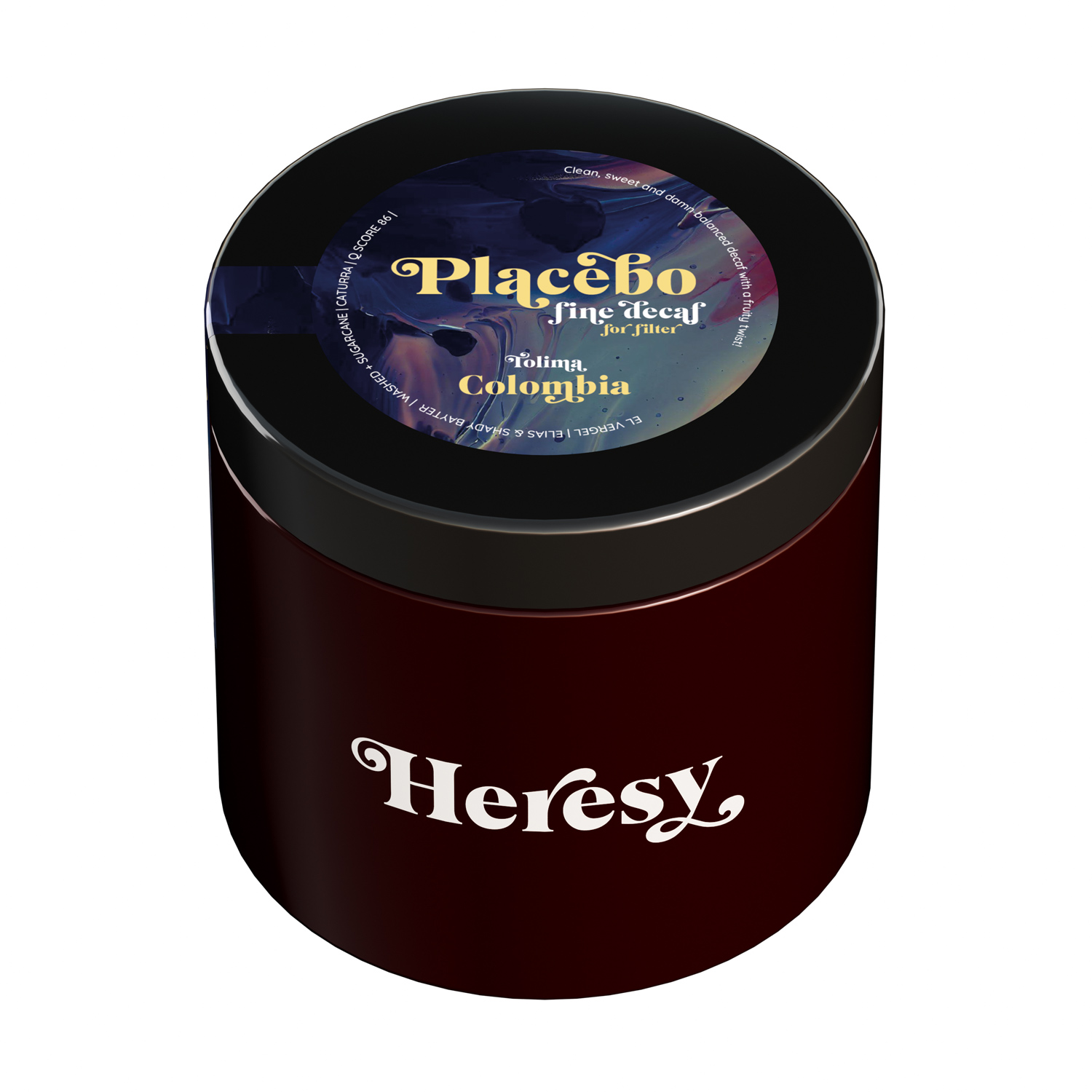
Whole-bean specialty coffee from Colombia, roasted by Heresy roasting brand. Light roast, perfect for filter coffee machines, drippers, Chemex, AeroPress, French Press, and other pour-over brewing methods. The brew resembles the flavour of red fruits, citrus fruits, milk chocolate and flowers.Country: ColombiaRegion: TolimaFarm: Elias & Shady BayterProcessing: WashedMethod of decaffeination: SugarcaneAltitude: 1500 m a.s.l.Cupping score: 86 / 100ABOUT THE FARM AND THE COFFEE PRODUCEREl Vergel is a relatively young farm, as its very first harvest took place just 10 years ago. However, the Bayter family has rapidly transformed the plantation into one of the most advanced in the industry in terms of complex processing and cultivating a whole range of select, highly sought-after botanical varieties, such as Geisha, Pink Bourbon, Laurina, or Pacamara.Currently, El Vergel is conducting continuous research on bacteria and yeast to achieve even greater precision in controlling fermentation, and consequently, modulating flavor.In addition to coffee production, the Bayters are the force behind Forest, a company involved in both the export and import of green coffees, which means we were able to purchase this coffee directly, without any intermediaries.ABOUT THE COFFEE PROCESSING ON THE FARMThe Caturra variety, hand-picked, processed as washed, and decaffeinated using the sugarcane method with ethyl acetate, which reduces the caffeine content to approximately 0.1%.ROASTER'S OPINIONHonest truth – in a blind tasting, we would have trouble realizing this is a decaf. It tastes like top-tier, classic washed Colombias. Distinct, crisp fruit, high sweetness, chocolatey notes in the aftertaste. Top-notch!Store in a cool and dry place.
Whole-bean specialty coffee from Colombia, roasted by Trigger roasting brand. Light roast, perfect for filter coffee machines, drippers, Chemex, AeroPress, French Press, and other pour-over brewing methods. The brew resembles the flavour of nectarine, sweet citrus and brown sugar.Country: ColombiaRegion: CaucaFarm: El PalmarProcessing: WashedAltitude: 2117 m a.s.l.Variety: Pink BourbonCupping score: 89 / 100 ABOUT THE COFFEEDelicate, sweet, and with a clarity that makes the taste both sophisticated and personal. It stands out for its subtle fruit notes and mild sweetness, while remaining clean and very pleasant in taste. This lot comes from El Palmar, a 2-hectare family farm located in La Tolda, Toribio, Cauca, cultivated at an altitude of 2117 meters above sea level – an exceptional elevation that slows down the development of the coffee cherries, allowing for natural sweetness and a complex bouquet. The farm is managed by Zorayda Yule Vitonas, who has been growing coffee for 18 years alongside her husband and daughter. The cherries are hand-picked every 21 days, selecting only those that have reached the distinctive salmon-pink color of the Pink Bourbon variety at optimal ripeness. After flotation and manual sorting, the coffee undergoes a 24-hour fermentation in tanks, then it is depulped and fermented for another 10 hours, washed three times to remove all mucilage, and dried for 16 days in a parabolic solar dryer. This lot was sourced through the Auction for Peace 2025 program – an initiative supporting coffee-growing communities in Cauca.ROASTER'S OPINIONEl Palmar is a sophisticated Colombian Pink Bourbon coffee with a clean, sweet, and incredibly elegant flavor profile. Nectarine and sweet citrus give the brew a delicate fruity character, while brown sugar adds warmth and ensures a long, satisfying aftertaste. The beverage is velvety, balanced, and easy to read, with its natural sweetness binding all elements into a harmonious whole.V60 RECIPEwater temperature: 94 degrees Celsius,300 g water,21 g coffee,grind size 7 (Fellow Ode II)1. Blooming 75 g water pour: 0-0:10,2. 150 g water pour: 0:30-0:40,3. 225 g water pour: 1:00-1:10,4. 300 g water pour: 1:30-1:40. All water should finish drawdown around 2:10 - 2:20.ROYAL BEANSWhat’s behind the name Royal Beans? If Speciality beans are the pinnacle of coffee, our Royal Beans reach the Himalayas! In this series, we present the very top of the coffee pyramid, the crème de la crème, as precious as crown jewels. Anaerobic, Gesha, Nanolot, Lychee – what does it mean to go beyond the ordinary? – Royal Beans is a selection of coffees chosen by us from various roasters – they share exceptional flavor, limited production, unique processing methods, and the highest quality. A treat for coffee connoisseurs (and those aspiring to be)!Store in a dry and cool place.
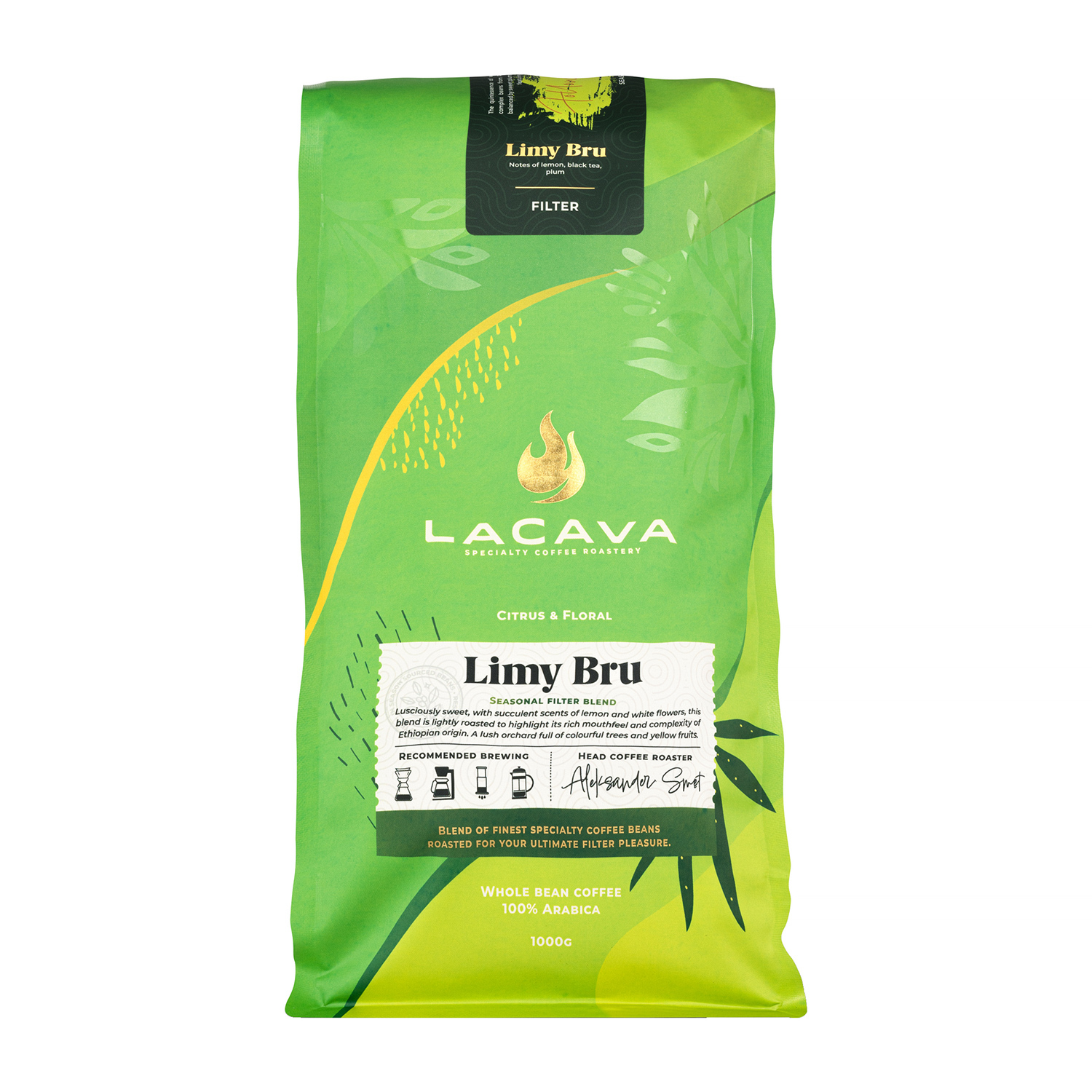
A blend coffee beans from Rwanda and Ethiopia roasted in Poland by LaCava. Light roast, perfect for filter coffee machines, drippers, Chemex, AeroPress, French Press, and other pour-over brewing methods. You can expect hints of plum, citrus, and black tea.Country: Rwanda / EthiopiaRegion: Gicumbi / SidamoProcessing: WashedVarietal: Red Bourbon / HeirloomAltitude: 1450 - 1500 / 1750 - 2050 m a.s.l.Cupping score: 85 pointsStore in a cold and dry space.
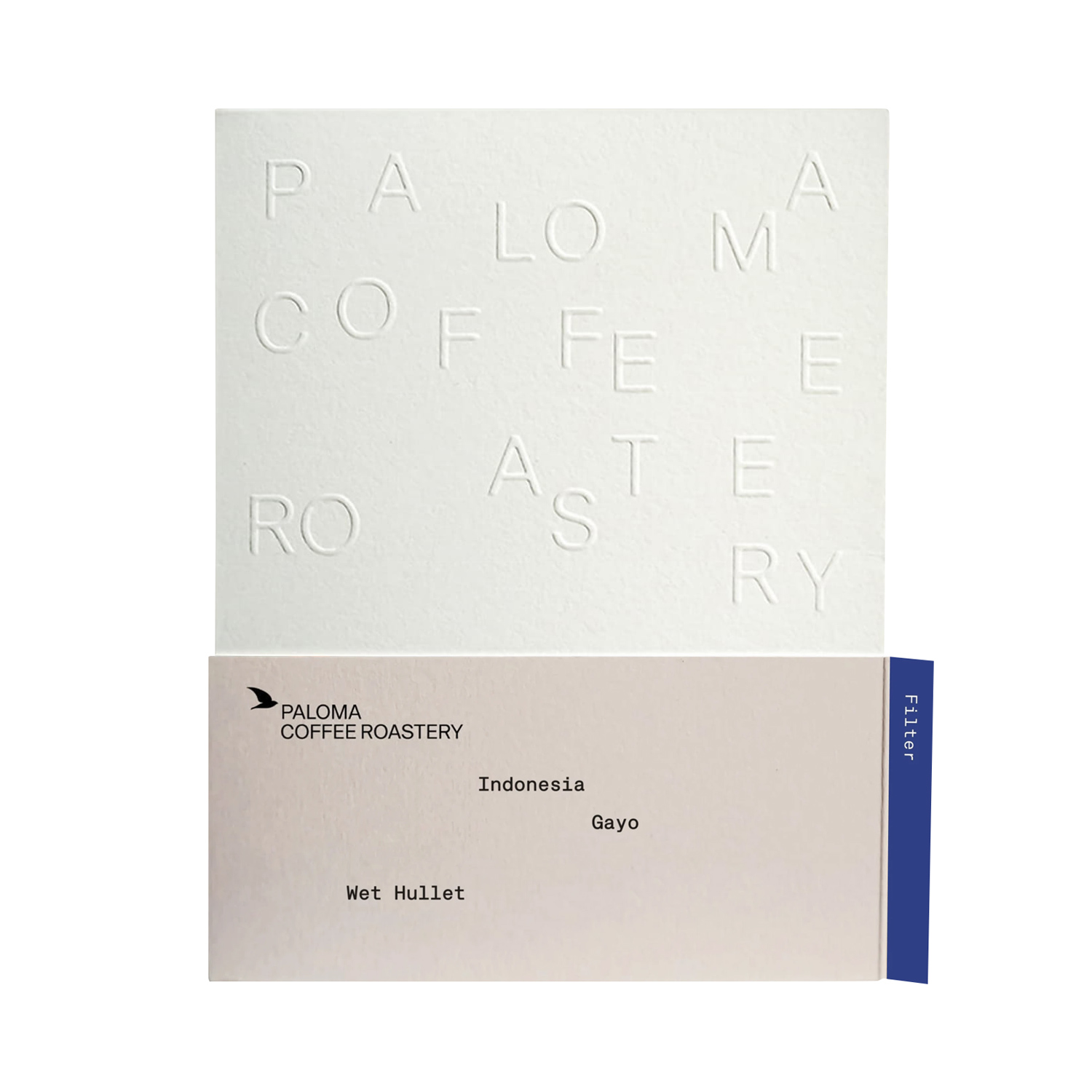
Specialty-grade whole-bean coffee from Indonesia, roasted by the Polish roastery Paloma. Light roast – perfect for pour-over brewing methods such as drip, Chemex, AeroPress, French Press, batch brewers, and other alternative methods. In the cup, you’ll find notes of marzipan, buttery cookies, smoked plum and blackberries.Origin: IndonesiaRegion: Gayo, AcehProcessing method: Wet HulletVariety: Gayo 1, Gayo 2Altitude: 1200 - 1600 m a.s.l.Cupping score: 85 / 100ABOUT THE REGIONThe Gayo coffee region in Aceh, Indonesia, is famous for some of the best Arabica coffees in the world. It all began at the beginning of the 20th century, when around 1908 the Dutch colonial authorities brought Arabica seedlings to the Gayo highlands.Today, Gayo coffee is grown mainly in three regions: Central Aceh, Bener Meriah, and Gayo Lues. This place has ideal growing conditions - fertile volcanic soils, hilly terrain, a cool climate, and regular rainfall. Thanks to this, the coffee from there is of truly high quality.After colonial times, cultivation was taken over by local, small-scale farmers who continue this tradition to this day, often using natural, sustainable methods and shade-grown cultivation.For the inhabitants of Gayo, coffee is more than just a product - it is the foundation of life. It supports virtually every family and is strongly tied to their culture and identity.After harvesting, the fresh coffee cherries are processed immediately. The first step is sorting using the flotation method (known as "rimbang") - the cherries are thrown into water, which causes the ripe, heavier (meaning good) ones to sink, while the immature or damaged ones float to the surface and are discarded. This is a simple, traditional, but very effective method.Store in a dry and cool place.
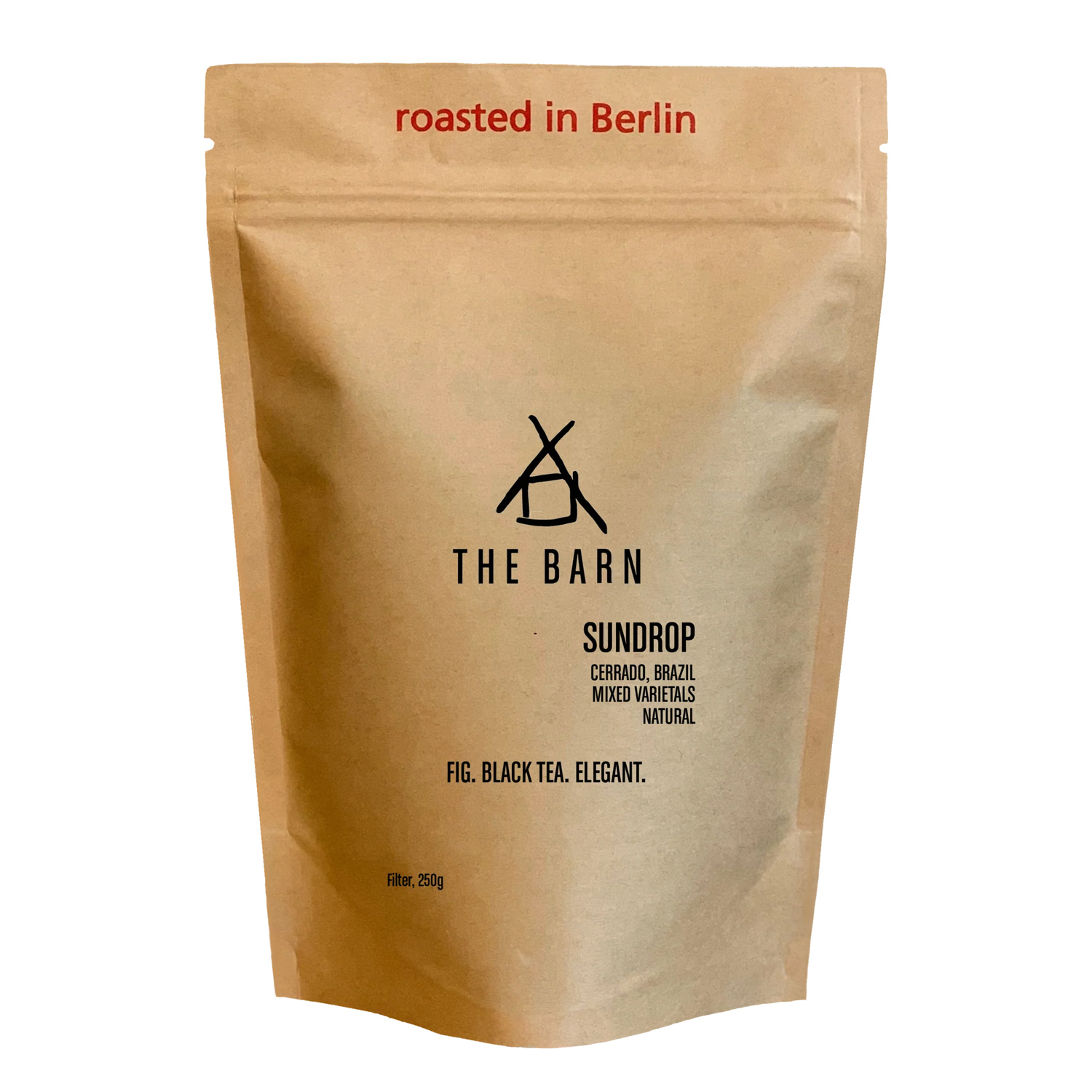
Specialty-grade whole-bean coffee from Brazil, roasted by the German roastery The Barn. Lightly roasted, it works perfectly for all pour-over brewing methods—from dripper, Chemex, AeroPress, French Press, and other alternative methods, all the way to automatic drip machines! In the flavor profile you can sense notes such as fig and black tea.Country of origin: BrazilRegion: CerradoFarm: DaterraProcessing method: NaturalVariety: Mixed VarietalsAltitude: 1200 m a.s.l.Cupping score: 87 / 100THE CUPExpect a silky profile, filing the palate with the sweetness of ripe fig, cherry, and caramel. The elegant complexity we have always loved in Sundrop appears in notes of black tea and lemon.ABOUT THE FARMDaterra are pioneers in their field: committed to pushing the boundaries in coffee production, with a dedicated approach to both quality and sustainability. They were the first Rainforest Alliance certified coffee farm in Brazil and together we have embarked on a Tree Planting programme to help mitigate the effects of climate change. Today, Daterra is officially climate positive and continues to experiment in both farming and processing.ABOUT THE PROCESSAlways looking to innovate, for this coffee Daterra uses an adaptation of the natural processing method that makes use of the dry season in Brazil. This lot undergoes a unique process, which begins at the peak of the season when the cherries are full of honey-like moisture. Rather than immediately harvesting mature cherries, cherries are dried while still attached to the branch. Dry conditions at the time of harvest mean that fungus or other defects can be avoided. This multi-stage processing is typical of the care Daterra takes at every step of production and the result is an elegant and sweet coffee with low acidity.ROASTER'S OPINIONThe sweet taste of Sundrop, from our innovative friends at Daterra. Coffees from Daterra always offer something a little special and Sundrop is no different. When fully ripe, the cherries for this lot are left on the tree, slowly drying under the Brazilian sun. With meticulous control, the Daterra team is able to create a profile with a uniquely sweet character.Store in a cold and dry space.
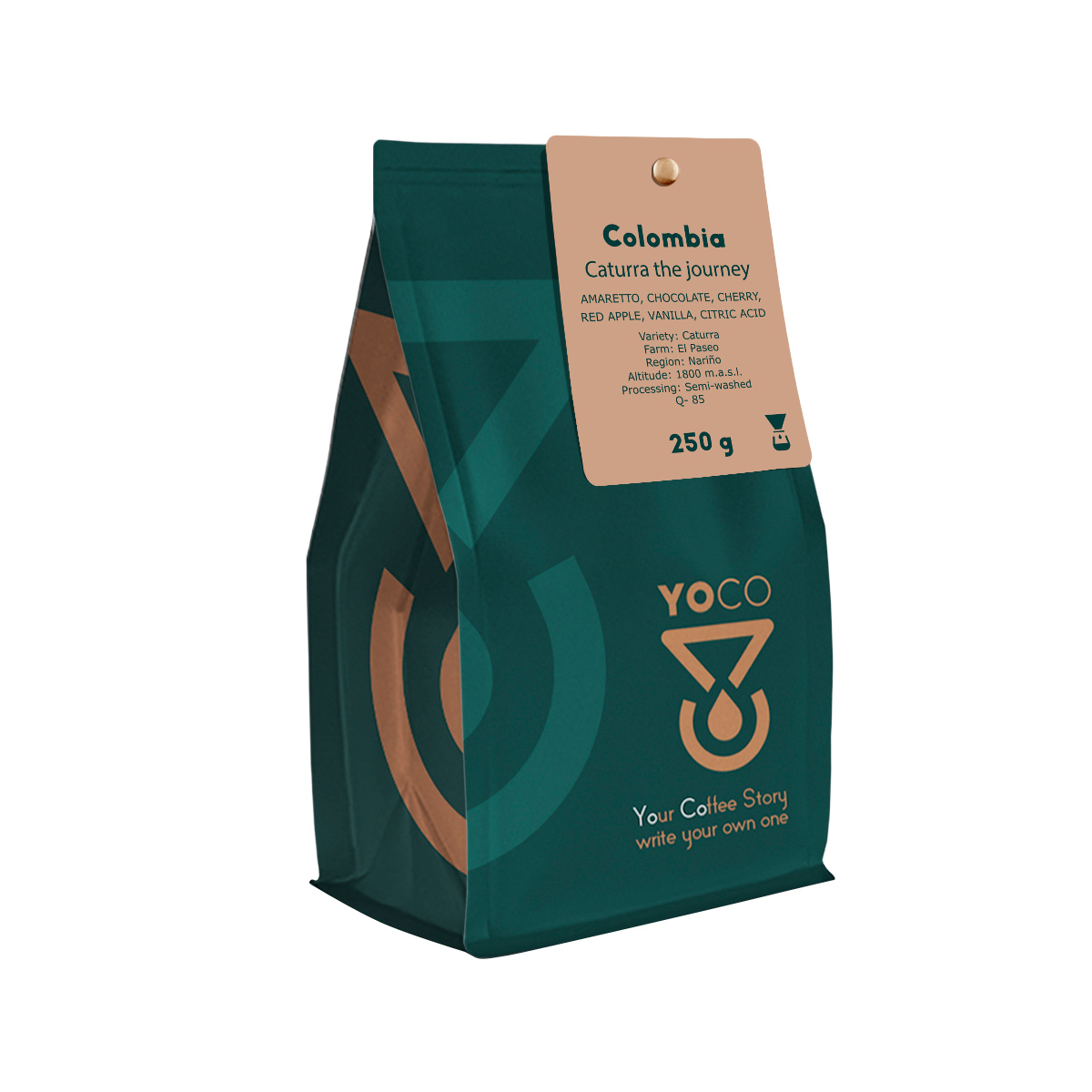
Whole-bean specialty coffee from Colombia, roasted by YOCO roasting brand. Light roast, perfect for filter coffee machines, drippers, Chemex, AeroPress, French Press, and other pour-over brewing methods. The flavour of the brew resembles amaretto, chocolate, cherry, red apple, vanilla and lemon acidity.Country: ColombiaRegion: NarinoFarm: El PaseoVarietal: CaturraProcessing: Semi-WashedAltitude: 1800 m a.s.l.Cupping score: 85 / 100 pointsABOUT THE PROCESSINGThe process begins with 60 hours of aerobic fermentation in a concrete tank, where the cherries are floated to remove any that do not meet quality standards. Following this, the coffee is depulped and transferred to special anaerobic steel tanks, where the pH is monitored daily to ensure optimal fermentation conditions.Store in a cold and dry space.
Box of eight sachets x 11 g (2 x Honduras, 3 x Brazil, 3 x Ethiopia)What is Bagdrip?Bagdrip is a coffee and a filter in one. In each bag, you will find 11 grams of light-roast ground speciality coffee from all over the world. It is enough to brew a single cup of coffee (185 ml). You will only need hot water and a cup. Perfect flavour wherever you want - when travelling or at home, quickly, without much effort or equipment.Flavour and origin- Honduras - coffee from Santa Barbara Mountains in eastern Honduras, on the border with Guatemala. The Santa Barbara Mountains and the nearby Yojoa Lake create a unique microclimate for coffee production. The region has never suffered a drought, and the mild climate lasts throughout the year and allows the stress-free cultivation of coffee. In a cup, you can taste red apple, walnut and chocolate.- Brazil - from Vale da Grama, a volcanic valley between São Paulo and Minas Gerais state – that’s where Fazenda Rainha plantation is located and those Yellow Bourbon coffee beans are cultivated. Perfect if you want to drink sweet coffee. In a cup, you can taste milk chocolate, peanut and marzipan.- Ethiopia - the washed Yirgacheffe is one of the best highland-grown coffees. This coffee will give you very complex experience – it’s tea-like with aromas of Earl Grey, lime, lemon, vanilla and flowers.1. Open the sachet and take out the filter.2. Rip open the top of the filter and spread the paper hooks. Put it on a mug.3. Fill half of the filter with hot water and wait 30 seconds. Next, fill the filter three times to the top. Wait for the water to flow through the coffee after each pour.4. Discard the Bagdrip and it's done!Each coffee is available in single sachets and boxes of 8. You can find all of them HERE.Rebranding is underway, so you may receive either the old or the new version of the packaging in your parcel. The coffee remains the same, only the label has undergone a makeover.Store in a cold and dry space.
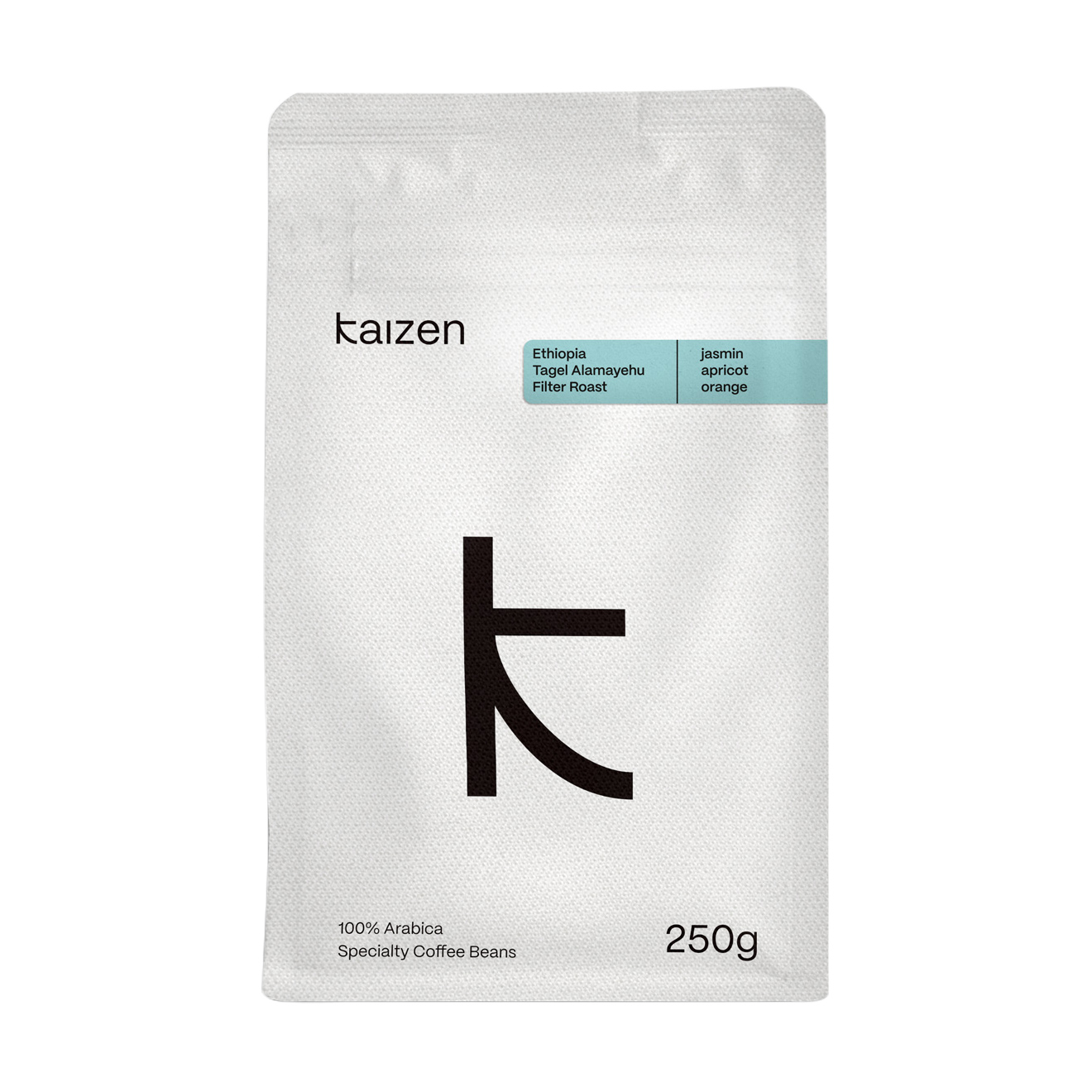
Whole-bean specialty coffee from Ethiopia, roasted by Kaizen. Light roast, perfect for filter coffee machines, drippers, Chemex, AeroPress, French Press, and other pour-over brewing methods. In the cup, you can expect the hints of jasmine, apricot and orange.Country: EthiopiaRegion: GujiFarm: Tagel AlamayehuVarietal: 74110Processing: WashedAltitude: 2300 m a.s.l.ABOUT THE REGION AND PRODUCERThis coffee comes from the Guji region, specifically the Hambela Wamena area, situated at an altitude of approximately 2300 m a.s.l. This is one of Ethiopia's most esteemed terroirs—the extreme altitude, cool climate, and slow ripening of the fruit result in a high sugar concentration and extraordinary aromatic precision.The project is led by Tagel Alamayehu—owner of the Olkai export company and coordinator of the Hambela Goro station. His story is personal and deeply rooted in the region. Tagel’s father was one of the coffee pioneers in Guji and built the first washing station in the Bule Hora community. Following family financial struggles, Tagel set a goal to rebuild what was lost—and he realized this plan by creating a modern, quality-focused project based on collaboration with local farmers.Today, Hambela Goro works with 460 small-scale producers, many of whom own only a few hundred coffee trees. Although each batch is a natural composition of many micro-plots, the coffee maintains impressive consistency and a clean profile.ABOUT THE COFFEEThis lot is the 74110 variety—a selection originating from the JARC research program, known for its high sensory quality and clarity in the cup. Combined with the altitude of 2300 m a.s.l., it yields a coffee with a distinct structure, elegant acidity, and multi-layered aromatics.The washed processing was carried out with great precision. Cherries are harvested at peak ripeness, hand-sorted multiple times, and then, after depulping, fermented in water for approximately 48 hours. Drying takes place on African beds for 10–12 days, depending on weather conditions.The cup is dominated by an intense jasmine aroma, which builds lightness and elegance. The flavor features juicy orange, providing freshness and a clear, citric acidity, while the experience is rounded off by ripe, sweet apricot, bringing softness and fruity depth.Store in a cold and dry space.
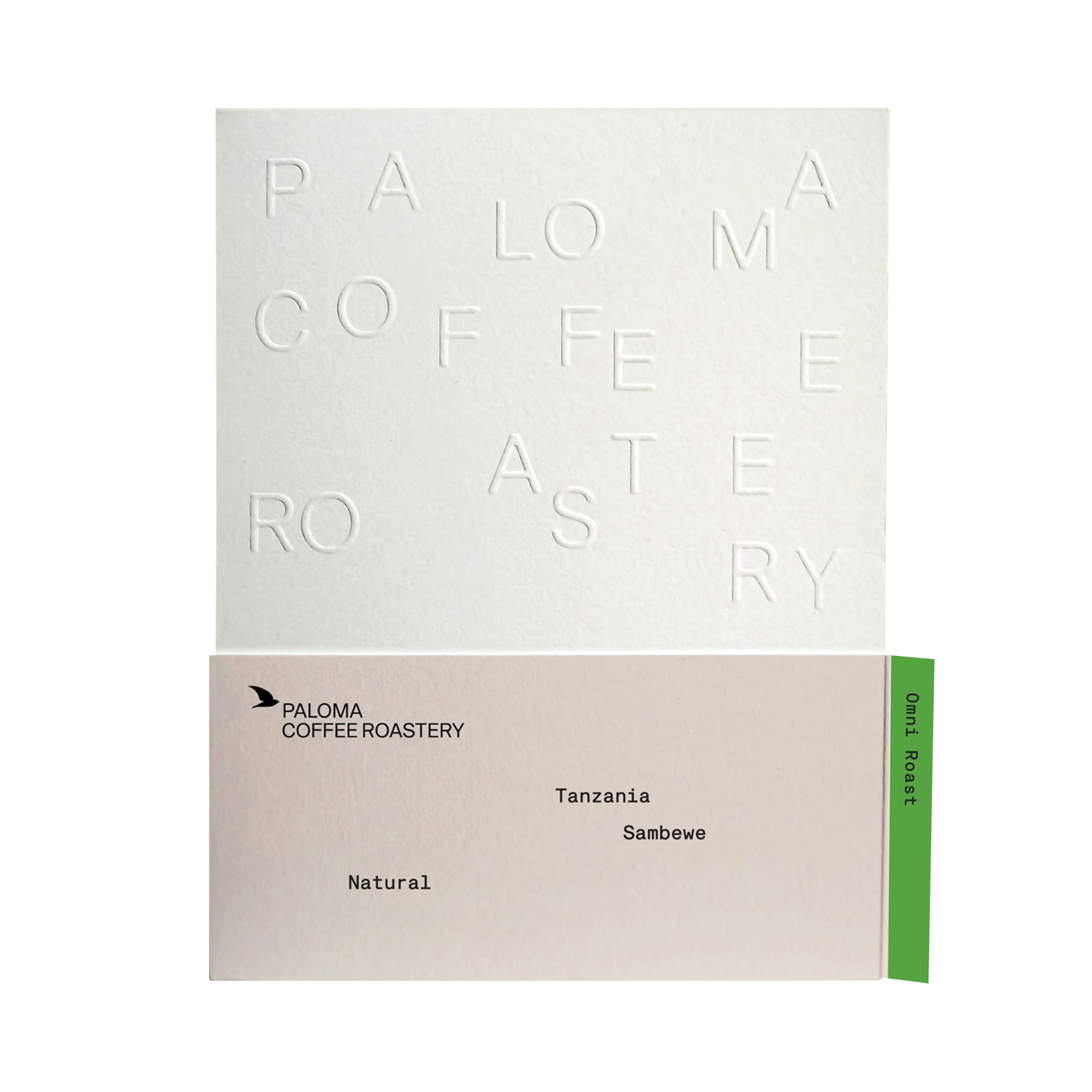
Specialty-grade whole-bean coffee from Tanzania, roasted by the Polish roastery Paloma. Medium roast – perfect for all brewing methods. In the cup, you’ll find notes of cocoa, raisins, cranberry and orange.Origin: TanzaniaRegion: Songwe MboziProcessing method: WashedVariety: Bourbon, KT423Altitude: 1600 - 1700 m a.s.l.Cupping score: 88 / 100We roasted this coffee from Tanzania as an Omni Roast, which means it is perfectly suited for brewing both a sweet, juicy filter coffee and a fruity, balanced espresso or moka pot coffee - RoasteryABOUT THE FARMSambewe AMCOS was established in 2018, when several groups of smallholder farmers—including Lungwa, Nansama, Sambewe, and Mandelewo—joined forces to create a single organisation.Farmers deliver freshly harvested, red coffee cherries between 11:00 and 18:00. The pulping machine is only started once a large enough batch has been collected to allow for at least 2 hours of continuous operation. In the meantime, further deliveries arrive to maintain the workflow until approximately 19:00. After the pulp is removed, the beans are sorted by density in water channels into different grades: P1, P2, P3, lighter fractions, and so-called "pods" (the lowest grade).The coffee then ferments for 12–24 hours, after which it is thoroughly washed and soaked for another 8–12 hours. Finally, it is moved to drying tables, where it rests for 7 to 14 days until it reaches the appropriate moisture level.Store in a cold and dry space.
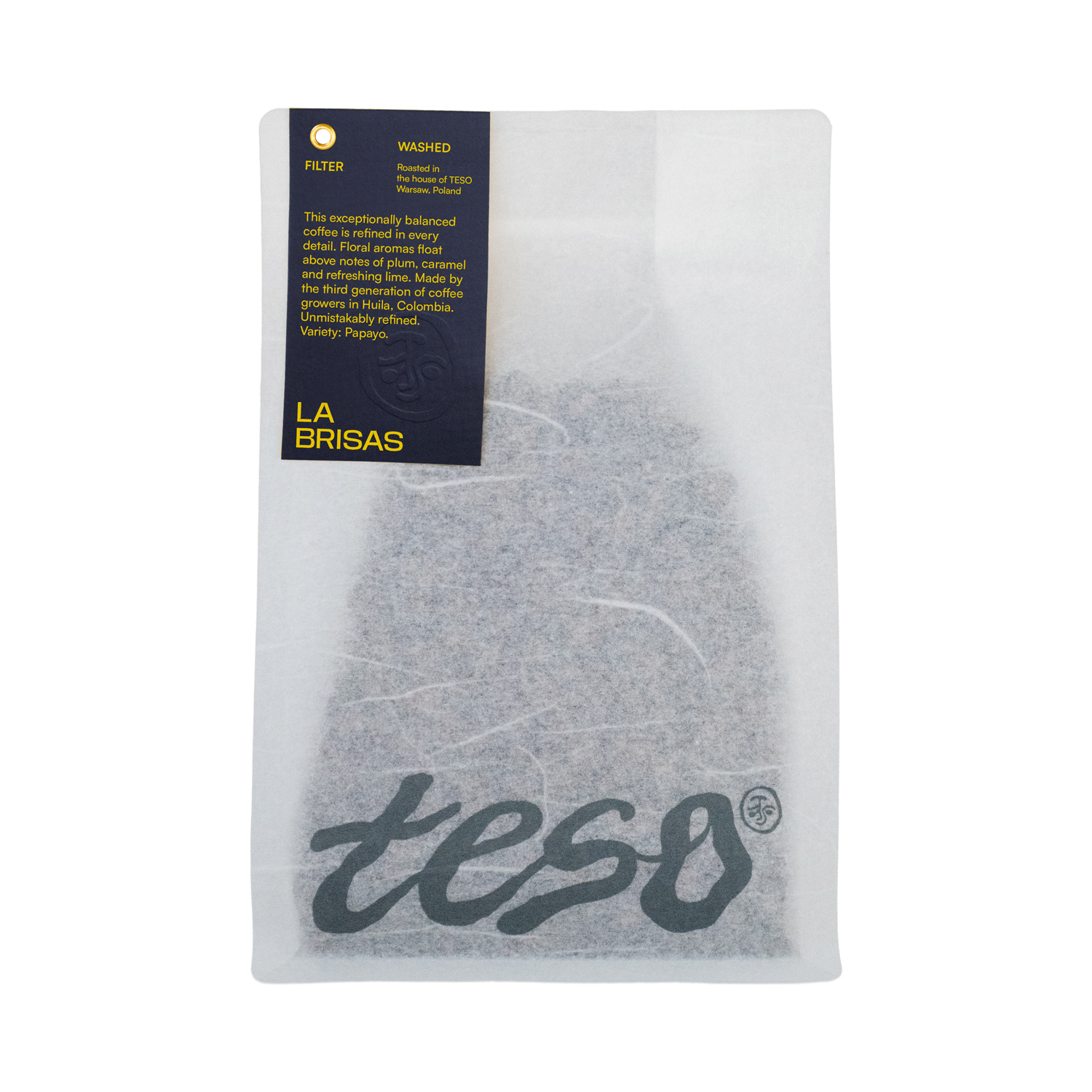
Specialty-grade whole bean coffee from Colombia, roasted by the Warsaw-based roastery Teso. Light roast, ideal for filter coffee makers, drippers, Chemex, AeroPress, French Press, and other alternative brewing methods. The flavor profile features notes of plum, caramel, lime and white flowers.Country of origin: ColombiaRegion: Pitalito, HuilaVariety: PapayoProcessing method: WashedCupping score: 89 / 100Altitude: 1800-1850 m a.s.l.ABOUT THE COFFEELooking for harmony? Then you are looking for Las Brisas. This incredibly balanced coffee delights with its details. A floral aroma floats above notes of plum, caramel, and fresh lime. It comes from the crops of a third-generation coffee-farming family in the Huila region of Colombia. This kind of experience is impossible to replicate.Store in a cool and dry place.
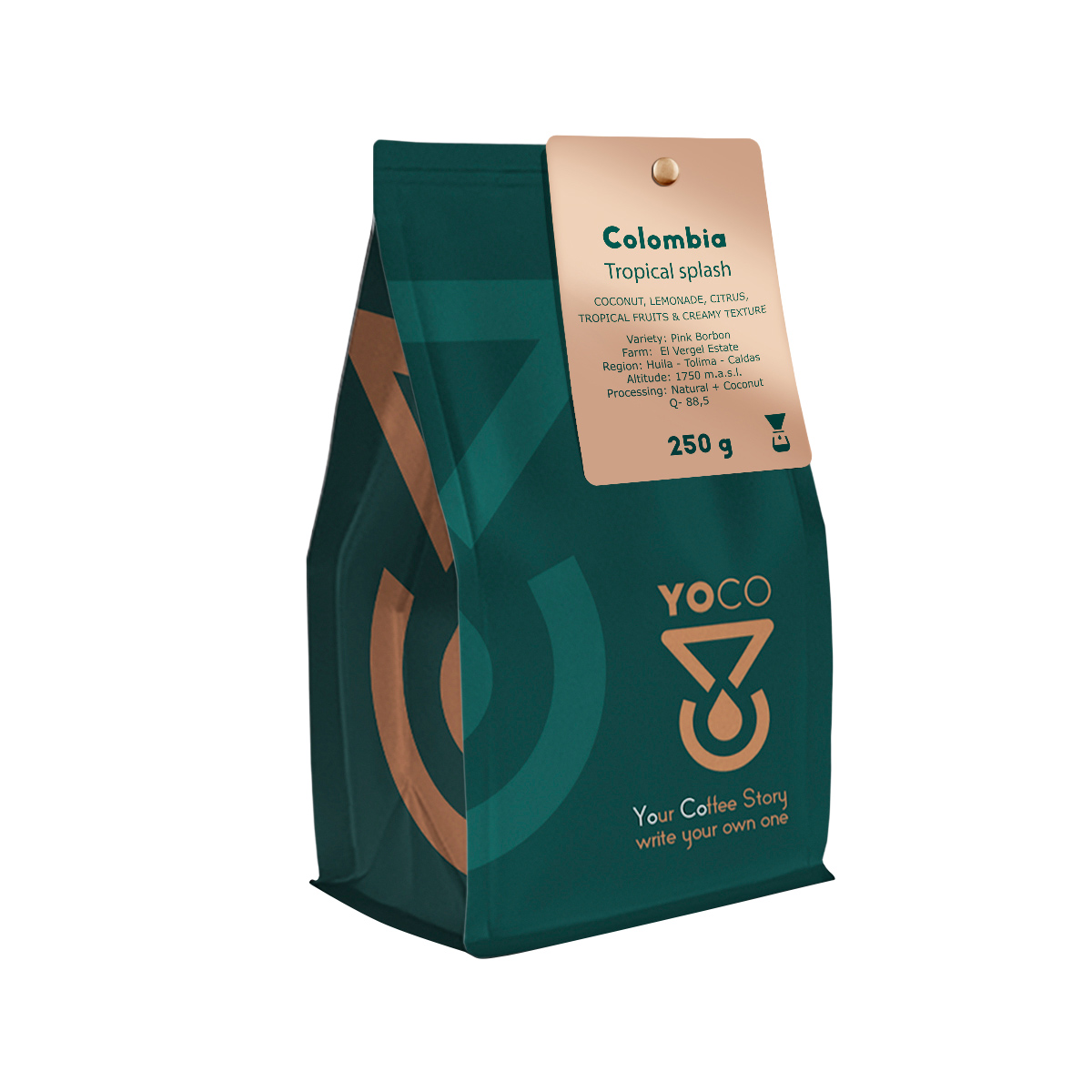
Whole-bean specialty coffee from Colombia, roasted by YOCO roasting brand. Light roast, perfect for filter coffee machines, drippers, Chemex, AeroPress, French Press, and other pour-over brewing methods. The flavour of the brew resembles coconut, lemonade, citrus and tropical fruits, creamy consistency.Country: ColombiaRegion: Huila - Tolima - CaldasFarm: El Vergel EstateVariety:Pink BorbonProcessing: Natural+CoconutAltitude: 1750 m a.s.l.Cupping score: 88 / 100 pointsABOUT THE PROCESSINGFermentation occurs anaerobically in plastic tanks for 144 hours, allowing the tropical flavors to fully infuse into the beans. After fermentation, the coffee is sun-dried for 30 days with lemon peel to impart a distinctive citric finish.Store in a cold and dry space.
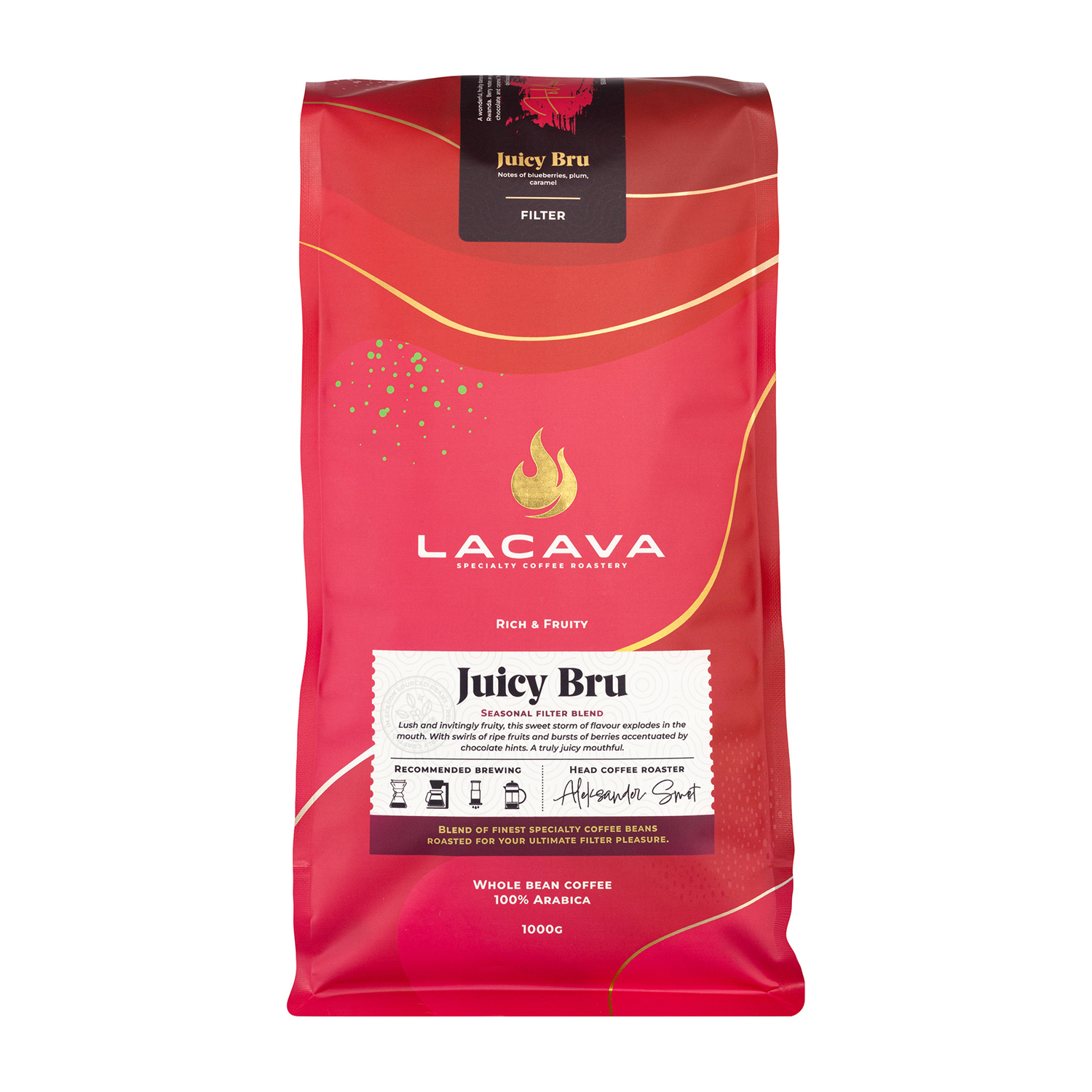
Speciality coffee beans from Rwanda roasted in Poland by LaCava. Light roast, perfect for filter coffee machines, drippers, Chemex, AeroPress, French Press, and other pour-over brewing methods. You can expect hints of plum, caramel, and blueberries.Country: RwandaRegion: Gicumbi / SimbiProcessing: NaturalVarietal: Red BourbonAltitude: 1450 - 1500 / 1700 - 2200 m a.s.l.Cupping score: 86 pointsStore in a cold and dry space.
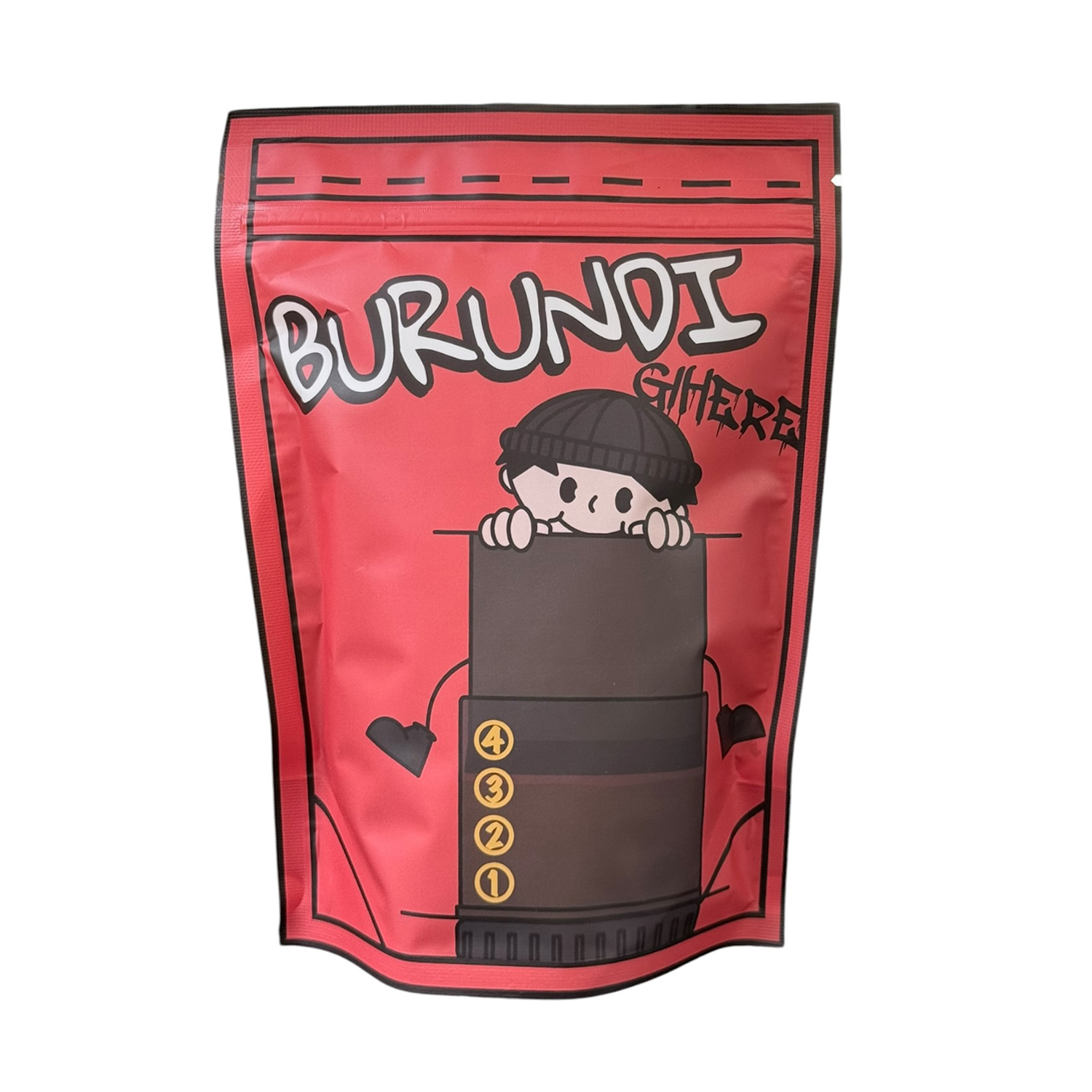
Whole-bean specialty coffee from Burundi, roasted by Runty Roaster roasting brand. Light roast, perfect for filter coffee machines, drippers, Chemex, AeroPress, French Press, and other pour-over brewing methods. The flavour of the brew resembles strawberries, flowers and cocoa.Origin: BurundiRegion: NgoziFarm: GihereVariety: BourbonProcessing: NaturalAltitude: 1650 m a.s.l.Cupping score: 86 / 100 Store in a cold and dry space.
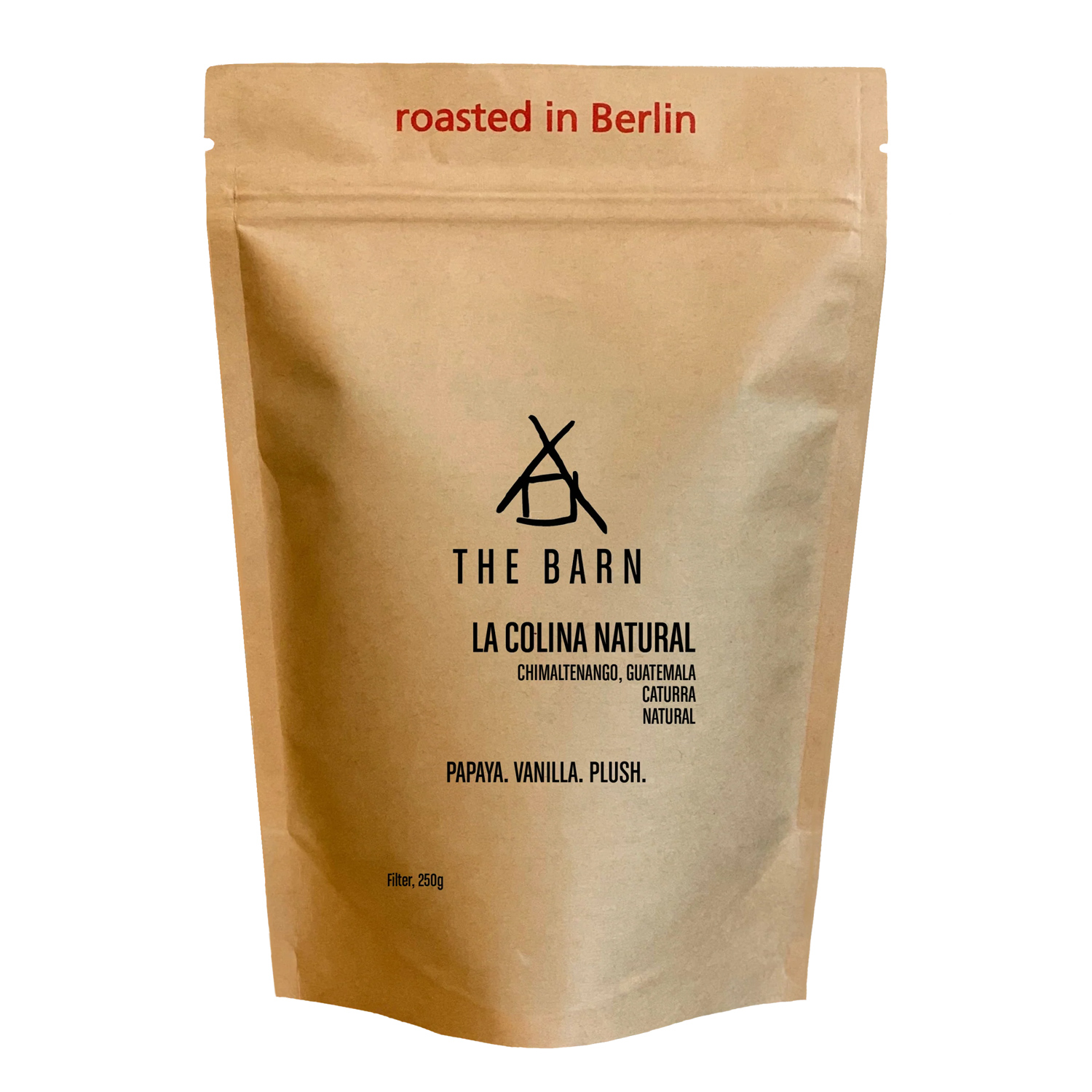
Whole-bean specialty coffee from Guatemala, roasted in Berlin by The Barn. Filter coffee - light roasted, perfect for filter coffee machines, drippers, Chemex, AeroPress, French Press, and other pour-over brewing methods. In the cup, you can expect the notes of vanilla and papaya.Country: GuatemalaRegion: ChimaltenangoFarm: La ColinaProcessing: NaturalVarietal: CaturraAltitude: 1950 m a.s.l.Cupping score: 88 / 100 pointsTHE CUPFreshly picked cherries are transported to the dry mill and sorted, before being placed on raised beds to dry. Natural coffees from La Colina spend about 15 days in direct sun, with 11 hours of sun during the harvest season.ABOUT THE FARMLocated in San Martín Jilotepeque, Chimaltenango, La Colina - The Hill - is named for the steep elevations of the area. Antonio is the third generation of his family to farm here, and began by planting grains and pulses. However, he told us that it has always been his dream to farm coffee, and in 1991, the first coffee tree was planted. Slowly but surely, Antonio increased the number of trees and the production capacity of La Colina. Nine years ago, Antonio built his own processing facilities, and with his focus on quality rather than quantity, he has achieved excellent rankings in the Guatemala Cup of Excellence competition. The coffee grows within a beautiful landscape of oak, cypress, and pine. The farm benefits from multiple streams, with fresh water for irrigation and processing. Only one quarter of his farm is planted with coffee, while the rest remains native forest, certified by the National Institution of Protection of Forests.
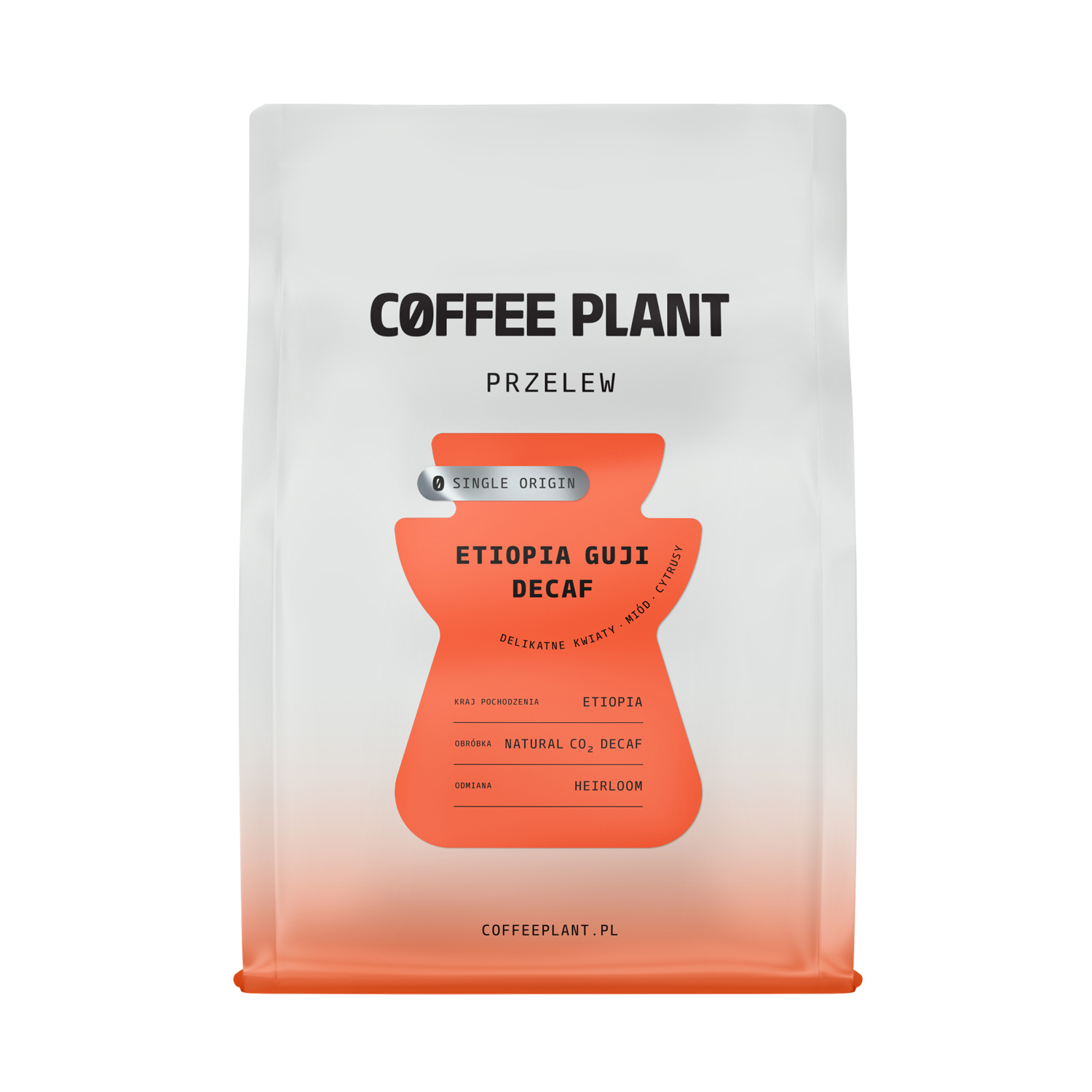
Decaf whole-bean specialty coffee from Ethiopia, roasted by COFFEE PLANT from Poland. Light roast, perfect for filter coffee machines, drippers, Chemex, AeroPress, French Press, and other pour-over brewing methods. You can expect hints of flowers, honey and citrus fruits.Origin: EthiopiaRegion: GujiProcessing: NaturalMethod of decaffeination: CO2Variety: HeirloomAltitude: 1500-2200 m a.s.l.ABOUT THE REGIONThe Guji region has for years been one of the most valued coffee-growing areas in Ethiopia. The beans come from smallholders whose plantations are located at altitudes ranging from 1,500 to 2,200 meters above sea level. In the shade of native trees, the cherries ripen more slowly, developing the clarity of flavor, floral aromas, and natural sweetness characteristic of this region.ABOUT PROCESSING AND DECAFFEINATIONAfter being processed using the natural method, the coffee underwent decaffeination using carbon dioxide (CO₂). This is one of the gentlest caffeine removal methods, allowing the beans to retain their original character and most of the compounds responsible for taste and aroma. The result is a cup with distinct floral notes, natural sweetness, and citrus freshness – exactly what the best coffees from Guji are known for, just without the caffeine.ROASTER'S OPINIONJust a few years ago, decaf coffee and Ethiopia rarely appeared in the same sentence. Today, you no longer have to choose between your favorite origin and limiting your caffeine intake. Ethiopia Guji Decaf proves that decaffeinated coffee can delight just as much as its classic version – with full flavor, clarity in the cup, and a characteristic origin profile.In the cup, you will find subtle floral notes, the natural sweetness of honey, and the juicy freshness of citrus. It is a light, harmonious, and extremely pleasant composition in which every element perfectly complements the whole. The flavors are clearly defined, but none dominates – instead, they create an elegant, balanced whole.This is one of those coffees where it's easy to forget you're drinking decaf. It doesn't try to impress with intensity or a heavy body. It delights with delicacy, clarity, and natural sweetness, making it great for any time of day. It's a coffee you want to return to – not because it shouts with flavor, but because it leaves behind an exceptionally pleasant memory.Store in a cool, dry place.
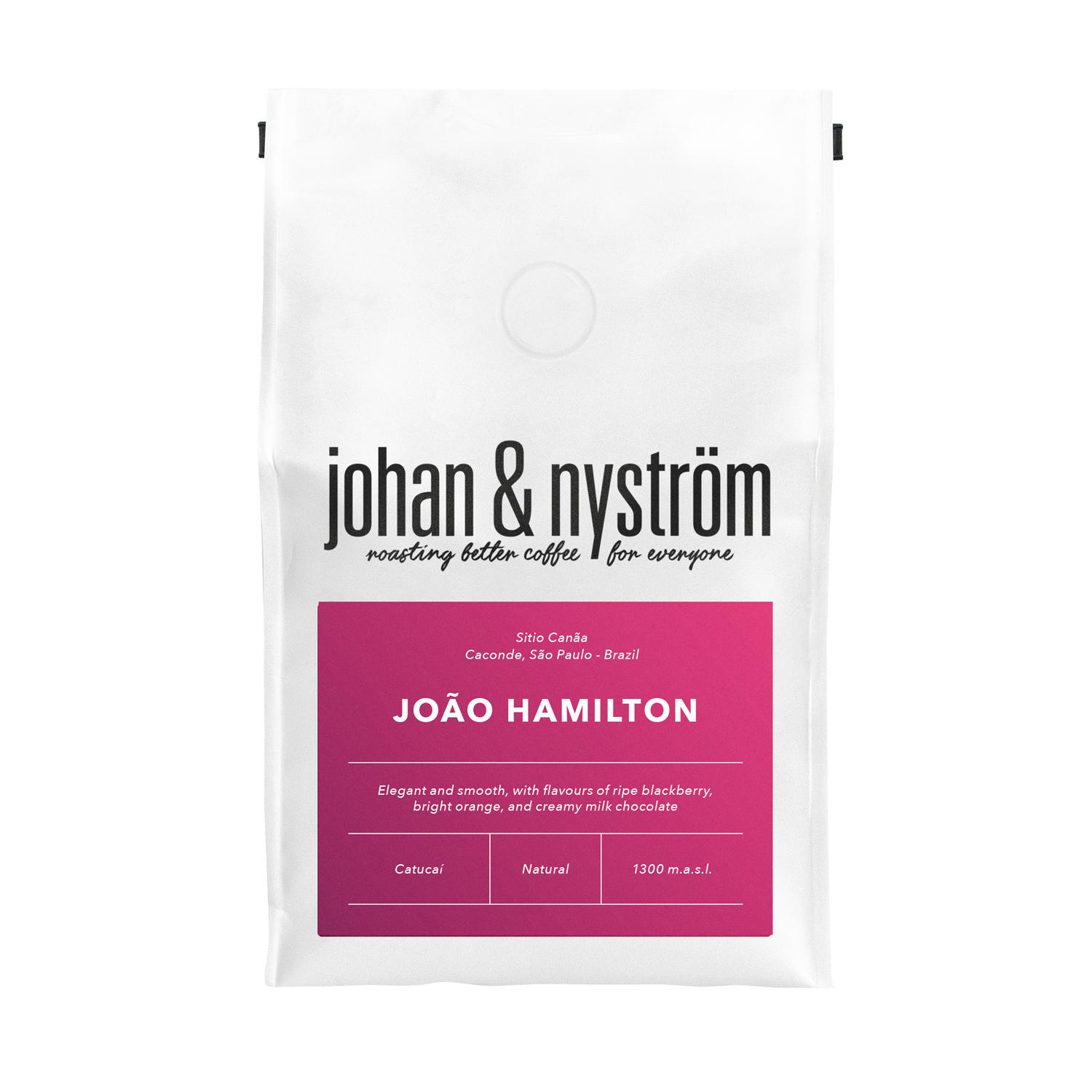
Specialty coffee beans from Brazil, roasted in Sweden by Johan & Nyström. Light roast, perfect for filter coffee machines, drippers, Chemex, AeroPress, and other pour-over brewing methods. Elegant and smooth coffee, with flavours of ripe.Origin: BrazilRegion: Caconde, São PauloVariety: CatucaíFarm: Sitio CanaãCupping score: 87 / 100Processing: NaturalAltitude: 1300 m a.s.l.Przechowywać w suchym i chłodnym miejscu.
Whole-bean specialty coffee from Kenya, roasted by Runty Roaster roasting brand. Light roast, perfect for filter coffee machines, drippers, Chemex, AeroPress, French Press, and other pour-over brewing methods. The flavour of the brew resembles grapes, currants, raspberries and brown sugar.Origin: KenyaRegion: KirinyagaFarm: KamwangiVariety: SL 28 - Ruiru 11 - BatianProcessing: WashedAltitude: 2000 m a.s.l.Cupping score: 87 / 100Store in a cold and dry space.
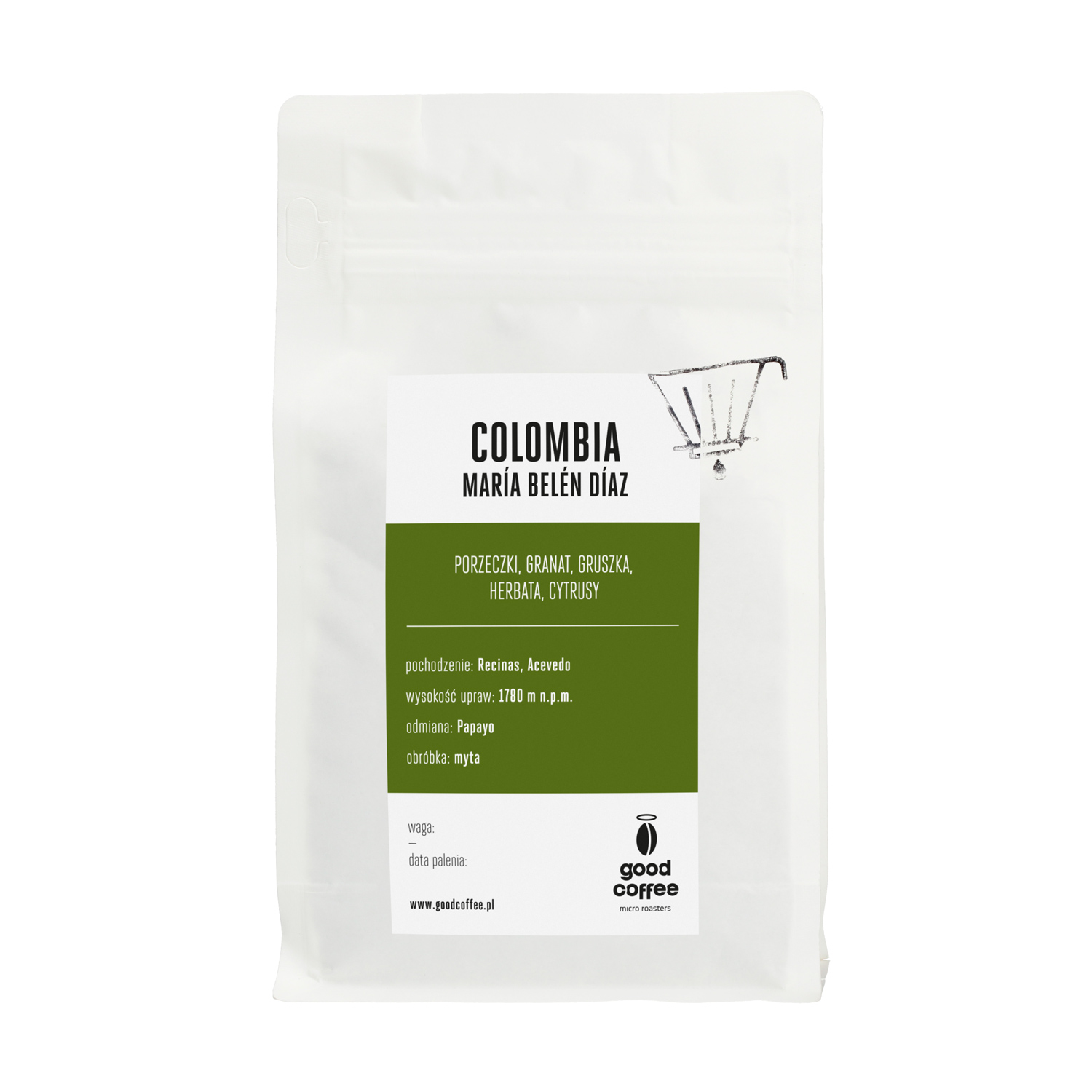
Specialty-grade whole-bean coffee from Colombia, roasted by Good Coffee Micro Roasters in Warsaw. Lightly roasted, perfect for pour-over machines, drip, Chemex, AeroPress, French Press, and other alternative brewing methods. The flavour profile includes notes of currants, pomegranate, tea, citrus and pear.Country of origin: ColombiaRegion: Recinas, AcevedoProcessing method: WashedVariety: PapayoElevation: 1780 m a.s.l.Store in a cold and dry space.
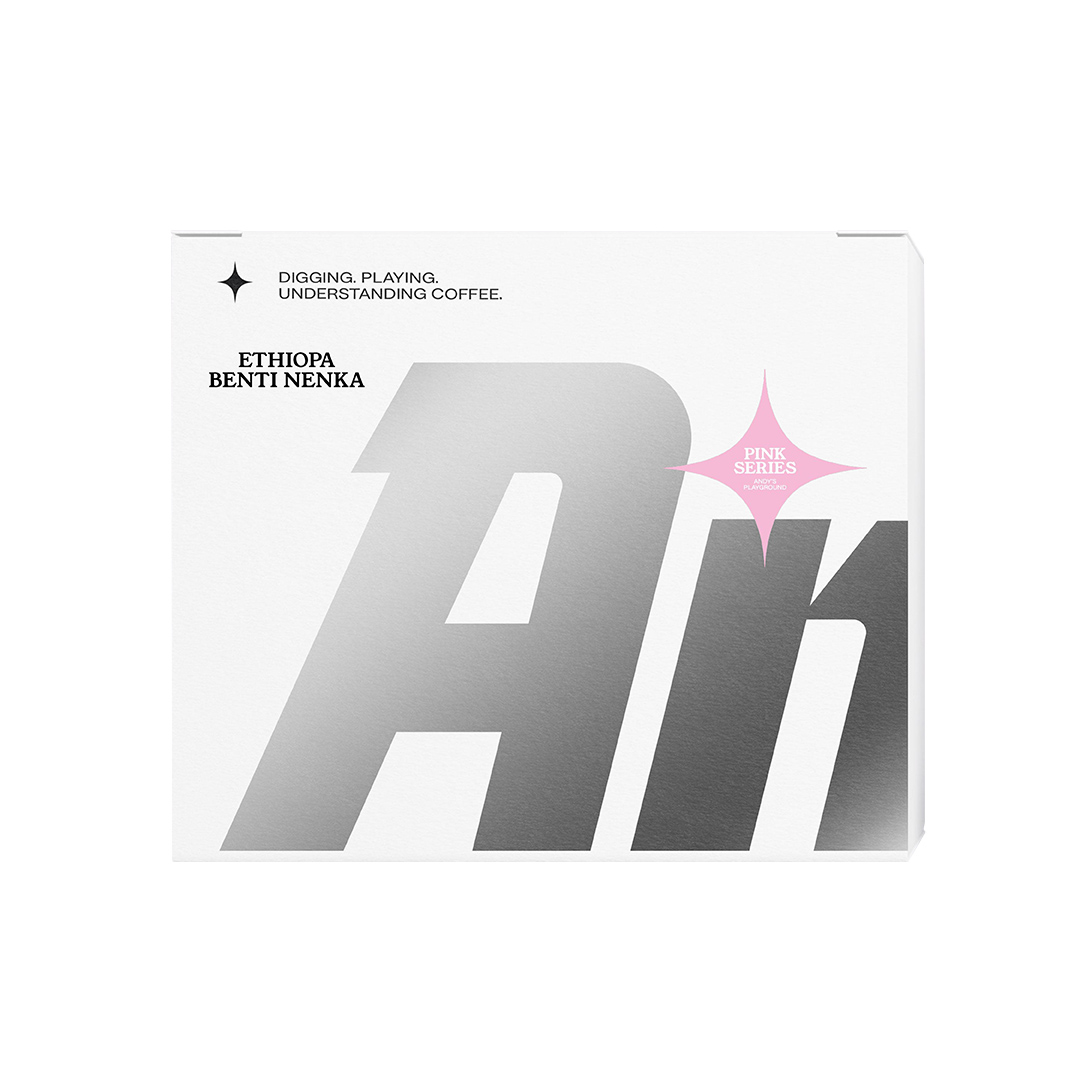
Specialty-grade whole bean coffee from Ethiopia, roasted at the Andy roastery. Medium roast, ideal for all brewing methods. The flavor profile features notes of pineapple, rosewater and cranberry.Origin: EthiopiaFarm: Benti NenkaProcessing: Natural Anaerobic co-ferment pineappleVariety: JARC varietiesRegion: GujiAltitude: 1900-2100 m a.s.l.The coffee cherries are fermented in a controlled, oxygen-limited environment alongside pineapple before being carefully dried as a natural process coffee. This combination of fermentation and fruit co-fermentation creates an expressive and highly aromatic cup.COFFEE OF THE MONTHEvery month, we select unique beans for you in three reveals: Espresso of the Month, Filter of the Month, and - starting now - Turbo Filter. This is our signature selection of coffees that we particularly want to show and recommend to you in a given month. Espresso and Filter of the Month are carefully selected specialty coffees that will work great every day. Turbo Filter, already known from our cafes, is an option for those who want to reach even higher: a limited and slightly wilder coffee from the Royal Beans selection, distinguished by its unique taste, origin, or processing method. We thoroughly test each of them using various brewing methods, prepare recommended recipes, and tell the story of its beans. See for yourself what we have prepared for you this month! Store in a cold and dry space.
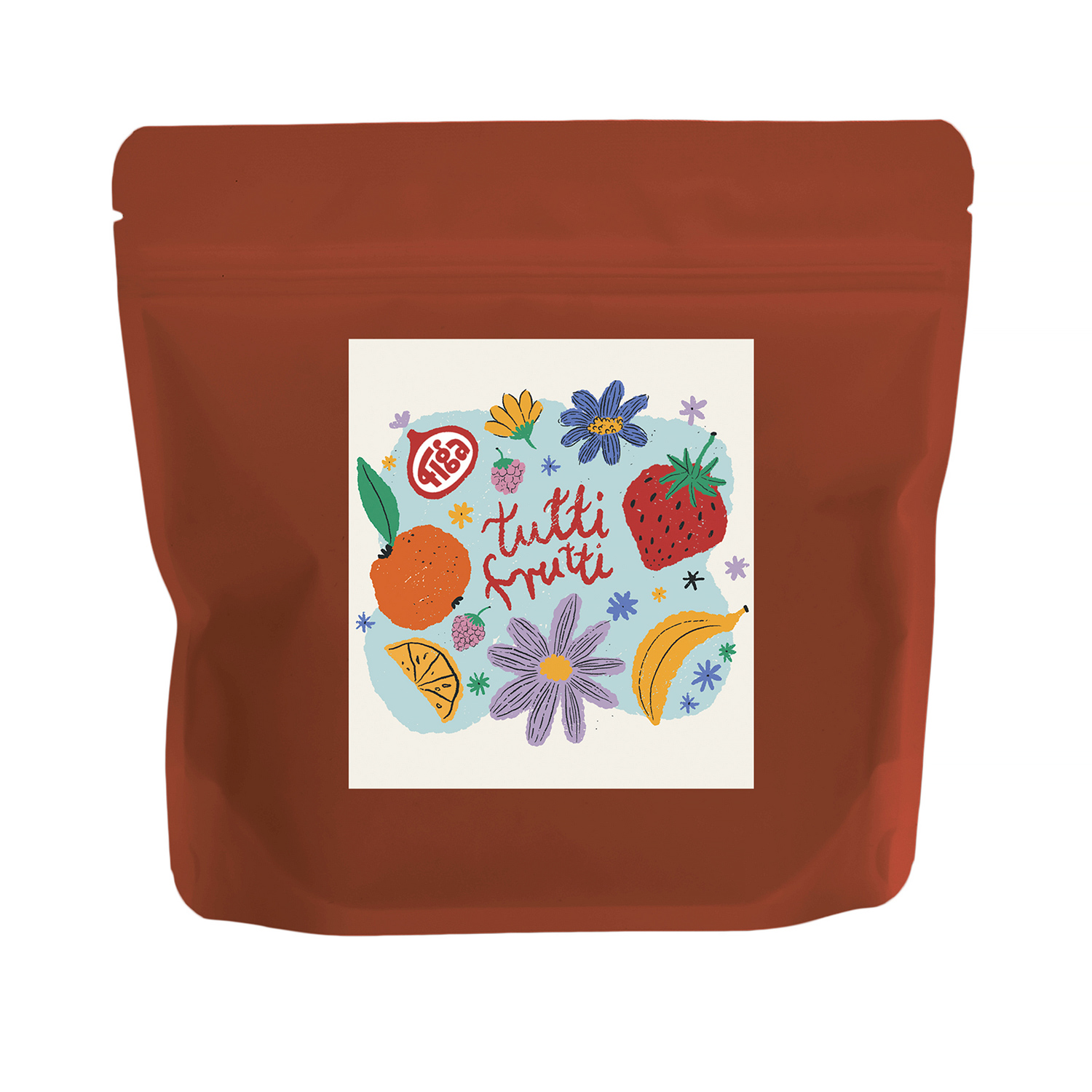
Whole-bean specialty coffee from Brazil and Ethiopia, roasted in Wrocław by Figa Coffee. Light roast, perfect for filter coffee machines, drippers, Chemex, AeroPress, French Press, and other pour-over brewing methods. In taste you can expect hints of chocolate and fruits, medium acidity.Country: Brazil, EthiopiaRegion: Mococa / West Arsi Zone, OromiaFarm: Essencia / Nensebo RefisaProcessing: NaturalContents: 65% Brazil Monte Carmelo / 35% EthiopiaTutti Frutti is our seasonal blend that changes throughout the year.It combines classic coffee with chocolatey and nutty notes with more fruity, often exotic beans. The result is a unique blend of flavors, different every time. In this fourteenth edition, we have combined high-quality coffees from Brazil and Ethiopia.The Tutti Frutti blend is available in two versions - for espresso and for filter brewing methods.Store in a cold and dry space.
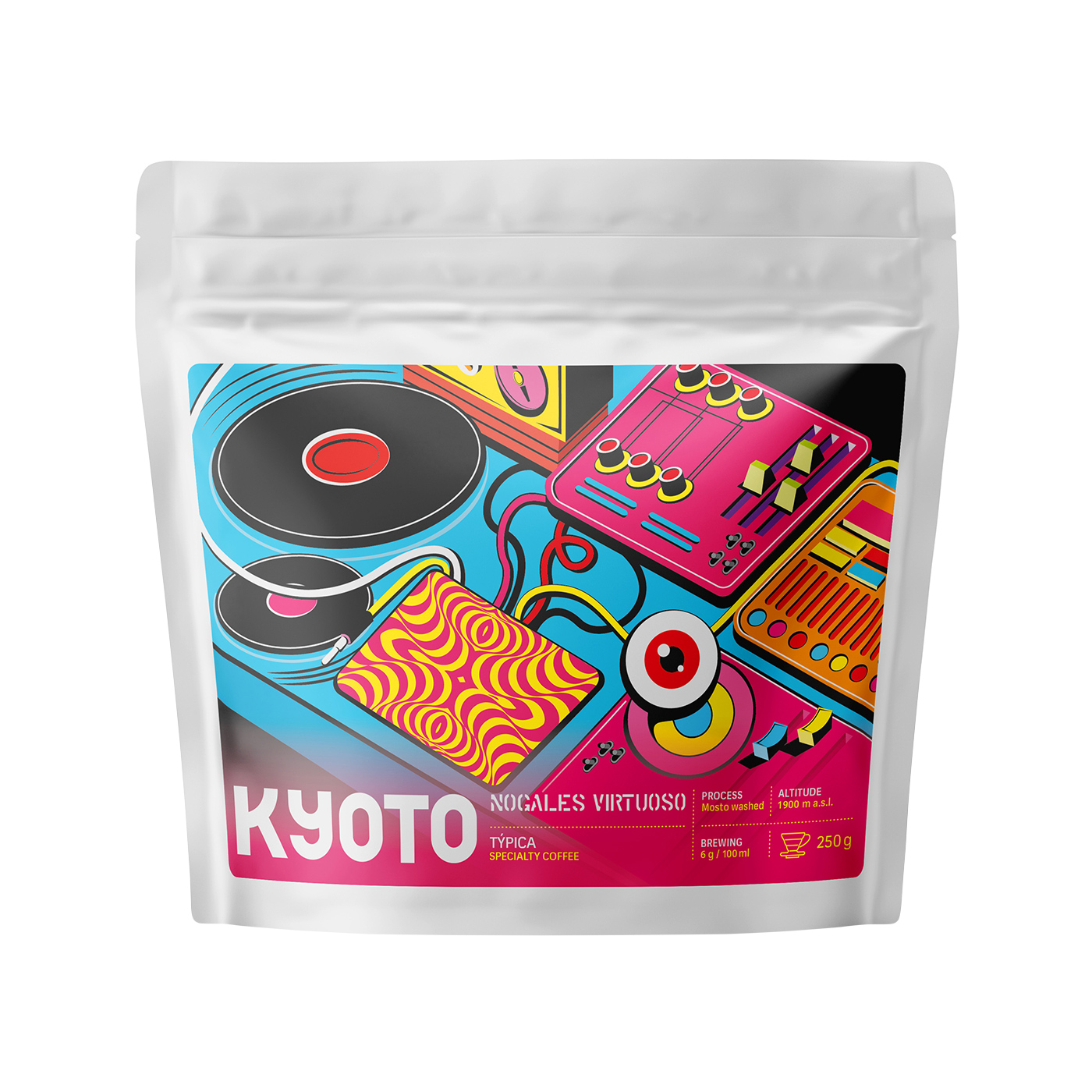
Whole-bean specialty coffee from Colombia, roasted in the KYOTO Coffee Roasters roastery in Wrocław. Light roast, ideal for drip coffee makers, Chemex, AeroPress, French Press, and other alternative brewing methods. The taste has notes reminiscent of mango, pomelo and gooseberry.Country: ColombiaRegion: Bruselas, HuilaFarm: Los NogalesProcessing: Washed, mosto fermentationVarietal: TypicaCupping score: 88 / 100 pointsAltitude: 1900 m a.s.l.ABOUT THE COFFEEAnother coffee from Oscar Hernandez from the Los Nogales plantation in Colombia, which completely shatters the general understanding of coffee sensory characteristics as a beverage. You smell it, and the very first impressions tell you that you will find something unobvious here, and you certainly are not mistaken.This coffee is as aromatic, as sweet, as fruity, and as surprising as possible. If a bag of these beans falls into your hands, it will certainly transform your previous sensory memory in your future searches for the coffee holy grail.ABOUT THE PROCESSINGThe Los Nogales plantation specializes in very unusual, modern bean processing methods, not shying away from experiments whose results are usually surprising.These beans come from an experimental process in which, after removing the coffee cherries, they underwent controlled fermentation in juice (mosto) squeezed from those cherries. Thanks to this, it gained a unique character with high sweetness and a mind-blowing aroma. We managed to bring out the full depth and complexity of these beans:)ABOUT THE FARMLos Nogales Farm is a family-run coffee plantation in Colombia. The face of this generational business is currently Oscar Hernandez. The farm is located in the mountainous region of Huila near the city of Bruselas, in the southern part of this region. Oscar is an inventive and charismatic person. He is guided by the idea of producing the highest quality specialty coffee in Colombia, and this batch of beans clearly proves it.In 2006, Oscar's father, Ricaurte Hernandez, won the Colombian Cup of Excellence. Thanks to this great distinction, the farm became synonymous with the highest quality. Oscar continues this tradition, and thanks to him and his approach, Los Nogales is a center of innovation and information for all proactive farmers in this region.Detailed description of this coffee's processing method:Process: mosto fermentationSelection of ripe fruit: The process begins with the careful harvesting of only ripe coffee cherries. This is the key to obtaining high-quality coffee beans, as ripe fruit has optimal flavor and aroma.Cleaning and disinfection with purified water: The harvested coffee beans are thoroughly cleaned and disinfected with purified water. This helps eliminate impurities and unwanted microorganisms.Density sorting, or floating: Coffee beans are submerged in water and sorted by density. Higher-density beans tend to sink to the bottom, while lower-density beans float on the surface. This helps separate good beans from defective ones.Thermal shock: Selected beans undergo thermal shock in water at 80°C for 60 seconds, followed by rapid cooling in cold water at 15°C for 3 minutes. This process breaks down sugars and pasteurizes the beans, contributing to the final flavor of the coffee.Pulping in a wet mill and adding mosto: Coffee beans are separated from the skins and placed in fermentation barrels. Squeezed juice from the coffee cherry skins themselves, which contains a high amount of natural sugars—the so-called "mosto"—is added to them. This can enhance the flavor profile and give the coffee sweet notes.Fermentation: Coffee beans undergo a fermentation process lasting 120 hours. During this time, sugars break down, which affects the coffee's flavor and acidity. Pre-fermentation agents, similar to bread sourdough, are also added to give the coffee unique properties.Sun drying: Finally, the fermented coffee beans are sun-dried for 15 days. This stage is necessary to reduce the moisture level of the beans to a level suitable for long-term storage and to further develop the coffee's flavor.Store in a cold and dry space.
Whole-bean specialty coffee from Brazil, roasted by Audun Coffee Roasters. Light roast, perfect for pour over brewing methods. You can expect the flavour notes of plum, raisin and florals.Origin: BrazilRegion: Minas GeraisFarm: Fazenda Santa LuziaProcessing: NaturalVariety: AraraFazenda Santa Luzia, in Sul de Minas, Brazil, is a family-run specialty coffee farm with a long tradition of quality production. Its high-altitude terroir and careful post-harvest processing produce coffees with pronounced sweetness, balanced acidity, and expressive fruit and floral notes.Store in a cold and dry space.
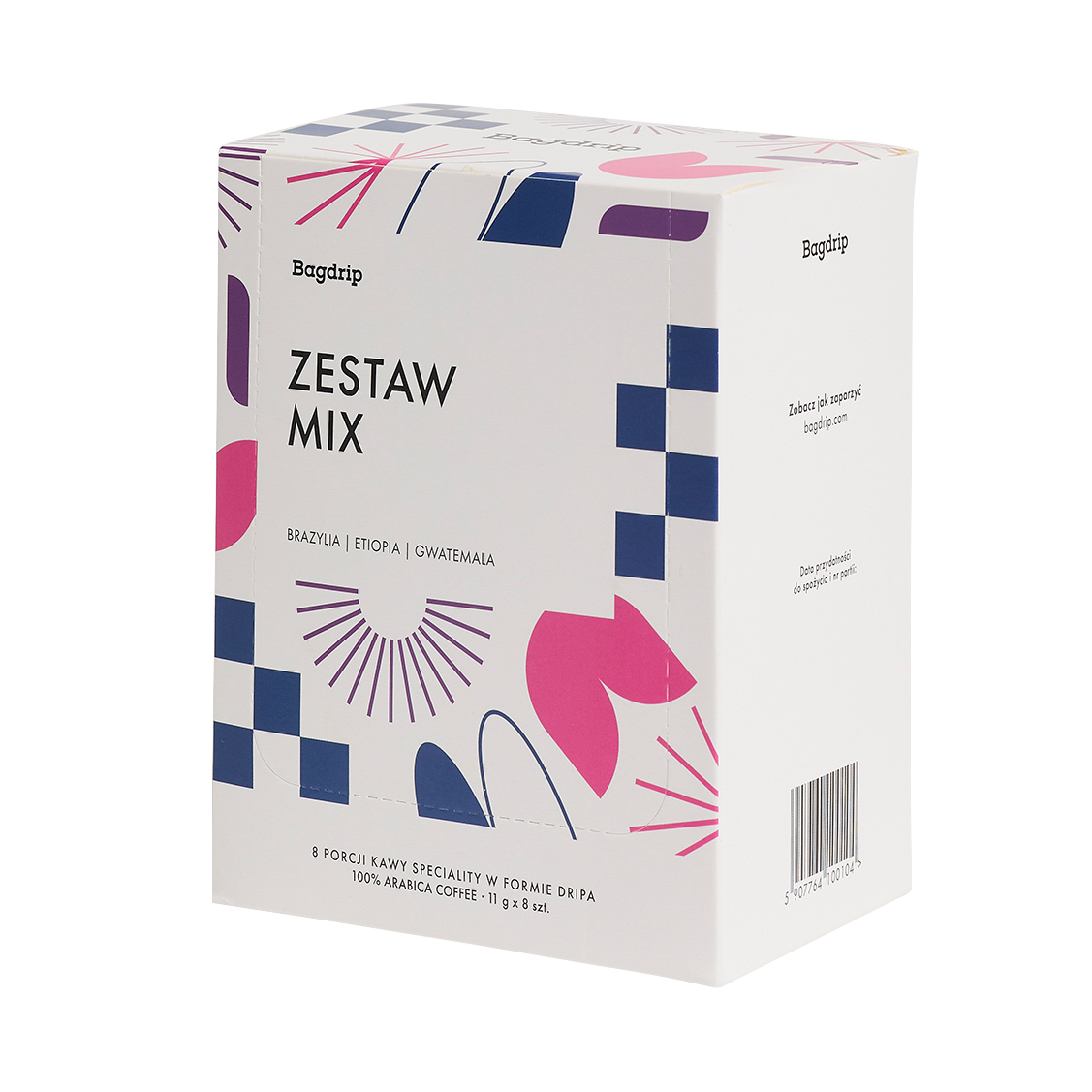
Box of eight sachets x 11 g (2 x Guatemala, 3 x Brazil, 3 x Ethiopia)What is Bagdrip?Bagdrip is a coffee and a filter in one. In each bag, you will find 11 grams of light-roast ground speciality coffee from all over the world. It is enough to brew a single cup of coffee (185 ml). You will only need hot water and a cup. Perfect flavour wherever you want - when travelling or at home, quickly, without much effort or equipment.1. Open the sachet and take out the filter.2. Rip open the top of the filter and spread the paper hooks. Put it on a mug.3. Fill half of the filter with hot water and wait 30 seconds. Next, fill the filter three times to the top. Wait for the water to flow through the coffee after each pour.4. Discard the Bagdrip and it's done!Store in a cold and dry space.
A blend of whole-bean specialty coffee from Brazil, roasted by Bracia Ziółkowscy roasting brand. Light roast, perfect for filter coffee machines, drippers, Chemex, AeroPress, French Press, and other pour-over brewing methods. The flavour of the brew resembles chocolate, nuts, and caramel.Country: BrazilRegion: MogianaVarietal: Catuai, Yellow CatuaiProcessing: NaturalAltitude: 900 - 950 m a.s.l.Cupping score: 83.5 / 100 pointsStore in a cold and dry space.
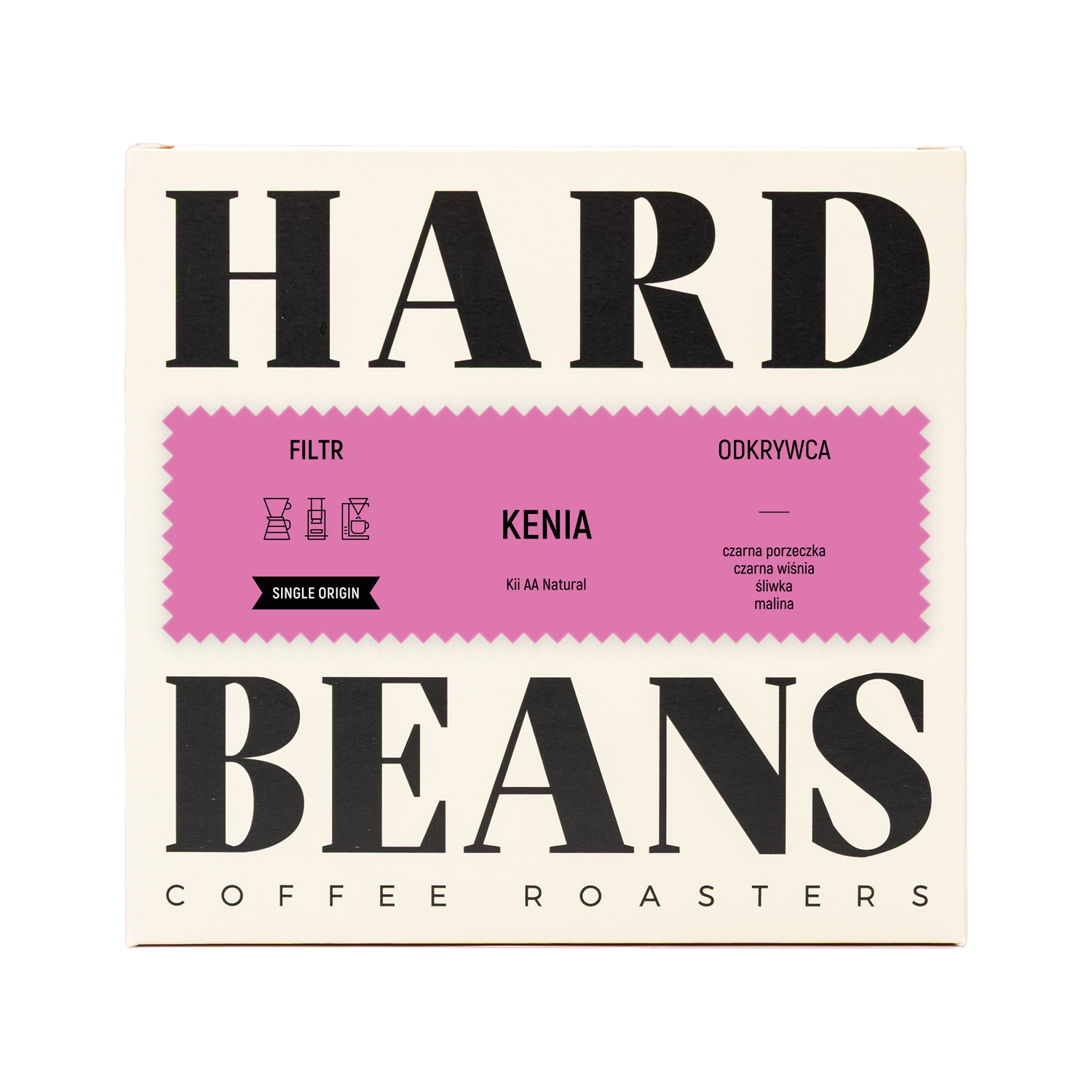
Whole-bean specialty coffee from Kenya, roasted by Hard Beans from Poland. Light roast, perfect for filter coffee machines, drippers, Chemex, AeroPress, French Press, and other pour-over brewing methods. In the cup, you can expect the notes of black currants, black cherry, plum and raspberry.Origin: KenyaRegion: KirinyagaVariety: SL28, SL34, BatianFarm: Kii Coffee FactoryProcessing: NaturalAltitude: 1600 – 1800 m n.p.m.ABOUT THE FARMKii Coffee Factory operates in the Kirinyaga region, at the foot of Mount Kenya. It is one of three stations belonging to the Rungeto Farmers’ Cooperative Society, alongside Karimikui and Kiangoi.Approximately 850 smallholders deliver cherries to Kii. The average farm size is around 0.5 ha, meaning production relies on a large number of small family farms. Coffee grows here alongside avocado, macadamia, and banana trees, and farmers also cultivate crops for their own consumption on the same plots, including beans and potatoes.Rungeto has been working with producers for years on agronomy and the quality of delivered cherries. Kii is also among the stations with high farmer loyalty, which has a very practical significance: good cherries are regularly delivered to the same station, rather than being sold wherever a better price happens to appear.ABOUT THE VARIETALThis lot contains SL28, SL34, and Batian. This is a set very characteristic of modern coffee production in Kenya.SL28 and SL34 are strongly tied to the history of the Kenyan coffee sector. Both selections were introduced in the 20th century and remain an important part of cultivation in central Kenya to this day. They yield good results at high altitudes, but are also susceptible to certain coffee diseases.Batian is a much younger varietal. It was introduced in Kenya in 2010 as a response to issues with Coffee Berry Disease and coffee leaf rust. Its goal was to combine strong quality potential with higher resistance and better productivity.The name of this coffee also includes "AA". This is neither a varietal nor a taste grade. AA is the Kenyan designation for bean size—it applies to the largest fraction separated during sorting.ABOUT THE PROCESSINGThis is where this lot deviates most from what Kii is usually associated with. The station's standard production is based on washed processing. Cherries are sorted, depulped, fermented, washed, and then the parchment is dried on raised beds.This lot was prepared as Natural. In this method, the bean dries inside the whole fruit. The skin and pulp remain on the seed for a significant portion of the drying process and are removed only later.This is a completely different way of processing than the classic Kii washed. That is precisely what makes this coffee interesting. Not because Natural in itself is rare—in Brazil or Ethiopia, it is a standard part of production. In Kenya, the situation is different. There, washed processing has been the standard for high-quality coffees for decades, and naturals still account for a small fraction of the market.RECIPERatio: 60 g coffee per 1 liter of waterWater temperature: 93°CGrind size: mediumBrew time: 3:30 minutesMethod: Pour water over the coffee in 5 equal pours (e.g., 5x 60 g) at 30-second intervals.The water should completely draw down through the coffee between pours.If the water flows too slowly or too quickly, adjust your grind size coarser/finer.Remember to use soft, filtered water!Store in a dry and cool place.
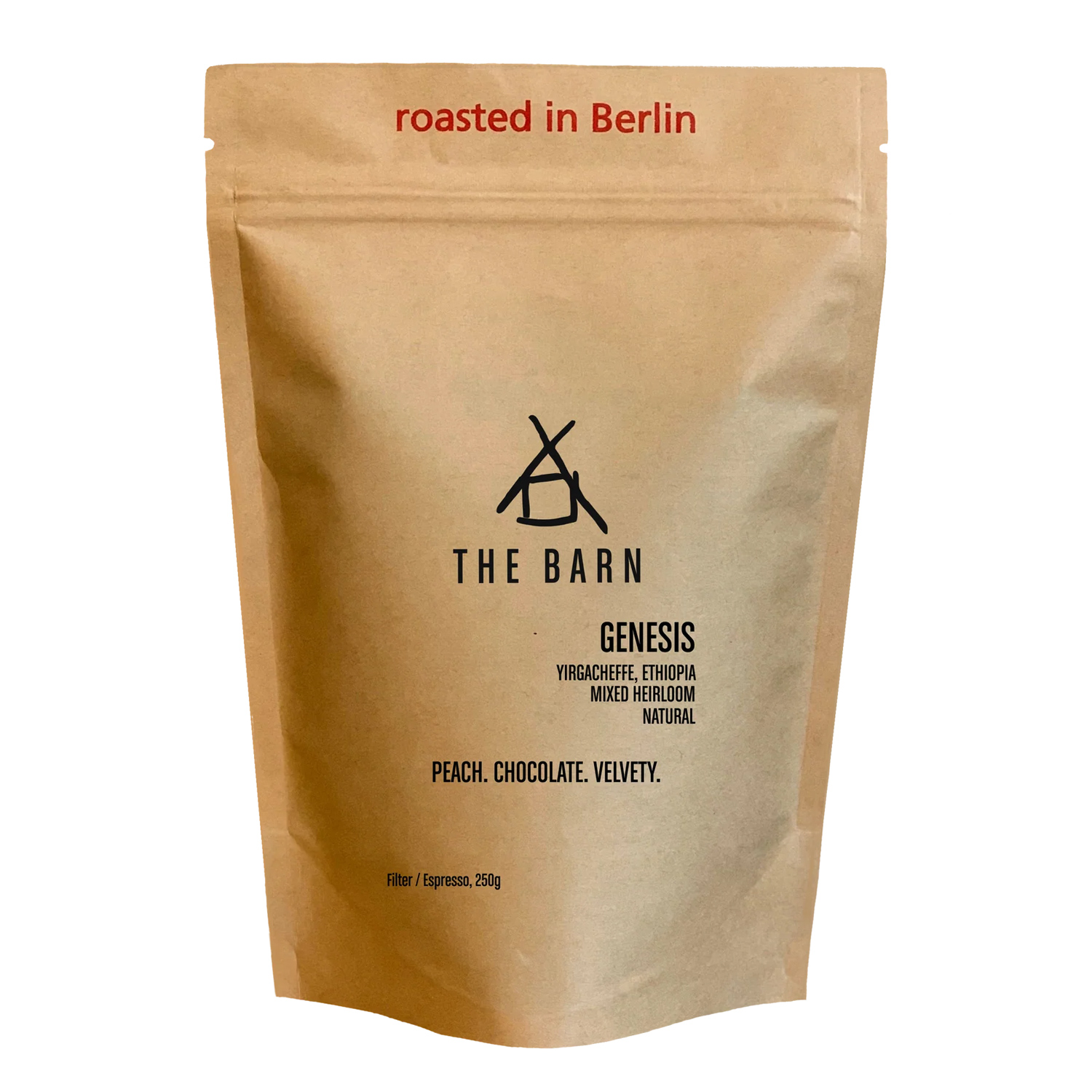
Whole bean specialty coffee from Ethiopia, roasted in Berlin by The Barn. Medium roasted, perfect for filter coffee machines, drippers, Chemex, AeroPress, French Press, and other pour-over brewing methods, as well as for espresso. In the cup, you can expect the notes of peach and chocolate.Country: EthiopiaRegion: YirgacheffeProcessing: NaturalVarietal: Mixed HeirloomAltitude: 2100 m a.s.l.THE CUPTasting Genesis, expect notes of peach, black tea, and chocolate. The classic floral character of Yirgacheffe can be found in a delicate note of jasmine. Honey-like sweetness and mellow acidity make Genesis delicious adaptable, try it black or with milk.THE PROCESSIn Ethiopia, natural coffees are typically delivered the day they are harvested, and are first sorted for ripeness and quality before being rinsed clean of dirt. Then they are spread on raised drying beds or tables, where they will be rotated constantly throughout the course of drying. Drying can take an average of 8–25 days, depending on the weather.ROASTER'S OPINIONGenesis is our permanent Ethiopian coffee from Yirgacheffe. This origin stands for the beginning of coffee. This coffee is Grade 1: Clean, complex and expressive. We have chosen a naturally processed coffee: full of aromatics and low in acidity. This coffee is distinct and sweet. It is roasted for espresso and filter. Genesis is our tribute to coffee: a new constant in our portfolio.Store in a cold and dry space.
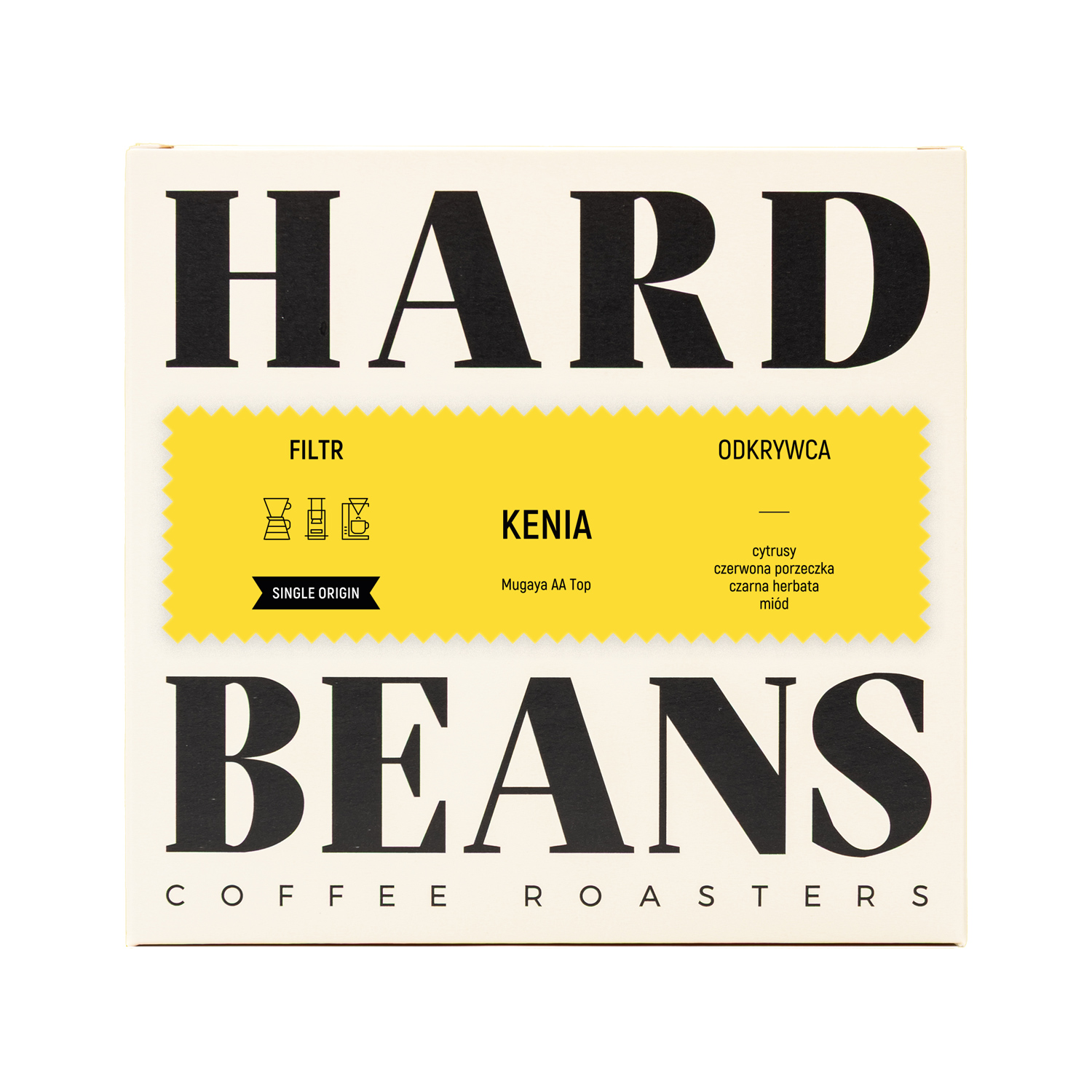
Specialty-grade whole-bean coffee from Kenya, roasted by the Polish roastery Hard Beans. Light roast – perfect for pour-over brewing methods such as drip, Chemex, AeroPress, French Press, batch brewers, and other alternative methods. In the cup, you’ll find notes of citrus, red currants, black tea and honey.Origin: KenyaRegion: KirinyagaFarm: MugayaProcessing method: WashedVariety: SL28, SL34Altitude: 1700 – 1800 m a.s.l.ABOUT THE FARM AND REGIONMugaya is a washing station established in 1975, operating under the Mutira Farmers’ Cooperative Society. It is located in the Kirinyaga region, Kagumo area, at the foothills of Mount Kenya. Coffee cherries are delivered to it by over 1,700 small-scale producers who grow coffee mainly on small plots of land.The crops are situated at an altitude of approximately 1,700–1,800 meters above sea level. The region is characterized by red volcanic soils, good access to water, and conditions that favor slower ripening of the fruit. Longer ripening can support the development of sweetness, acidity, and a more complex sensory profile.This is a classic Kenyan production model: small farms, a central washing station, fruit selection, and a consistently managed process. Simple. Effective. Good.ABOUT THE VARIETYThe dominant varieties are SL28 and SL34. These are classic Kenyan Arabica varieties, valued for their high sensory potential, especially in terms of vibrant acidity, fruitiness, and the structure of the brew.Batian and Ruiru 11 may also appear in smaller quantities, which are varieties introduced, among other reasons, for the plants' greater resistance to diseases. However, the character of this coffee is primarily built by SL28 and SL34.ABOUT THE PROCESSINGAfter harvest, the coffee cherries are delivered to the station and sorted. Then, the skin and part of the pulp are removed from the fruit, and the beans undergo fermentation, washing, and drying on raised beds. In the case of Mugaya, clean water from the Rwamuthambi River is used in the process.The washed process allows for limiting the influence of the pulp on the coffee's flavor and better showcases the natural acidity, cleanliness of the aroma, and structure of the brew.RECIPERatio: 60 g of coffee per 1 liter of waterWater temperature: 93°CGrind: mediumBrewing time: 3:30 minutesMethod: Pour water over the coffee in 5 equal parts (e.g., 5x 60g) at 30-second intervals.The water should completely drain through the coffee between pours.If the water flows too slowly or too quickly, change the grind size to coarser/finer.Remember to use soft, filtered water!Store in a dry and cool place.
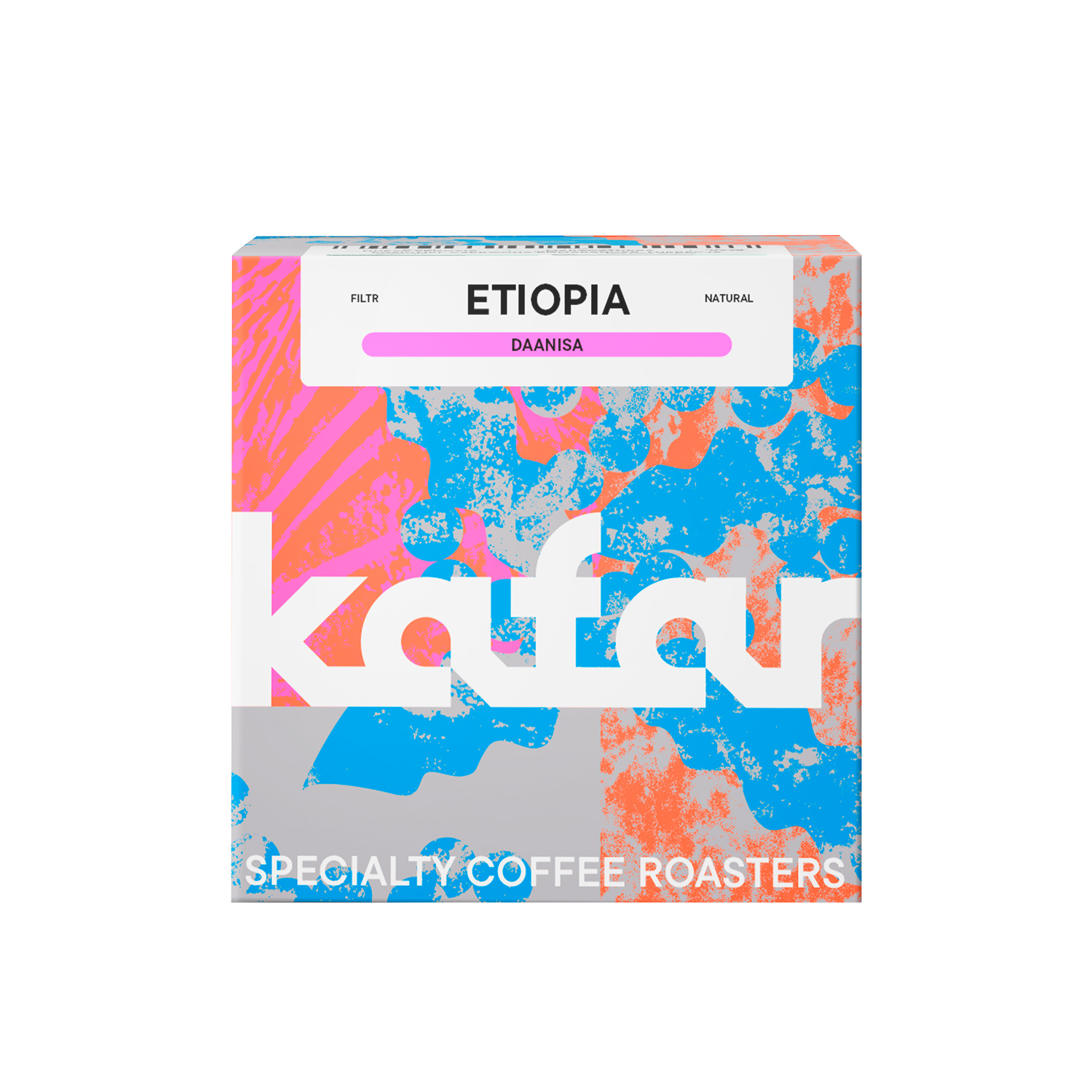
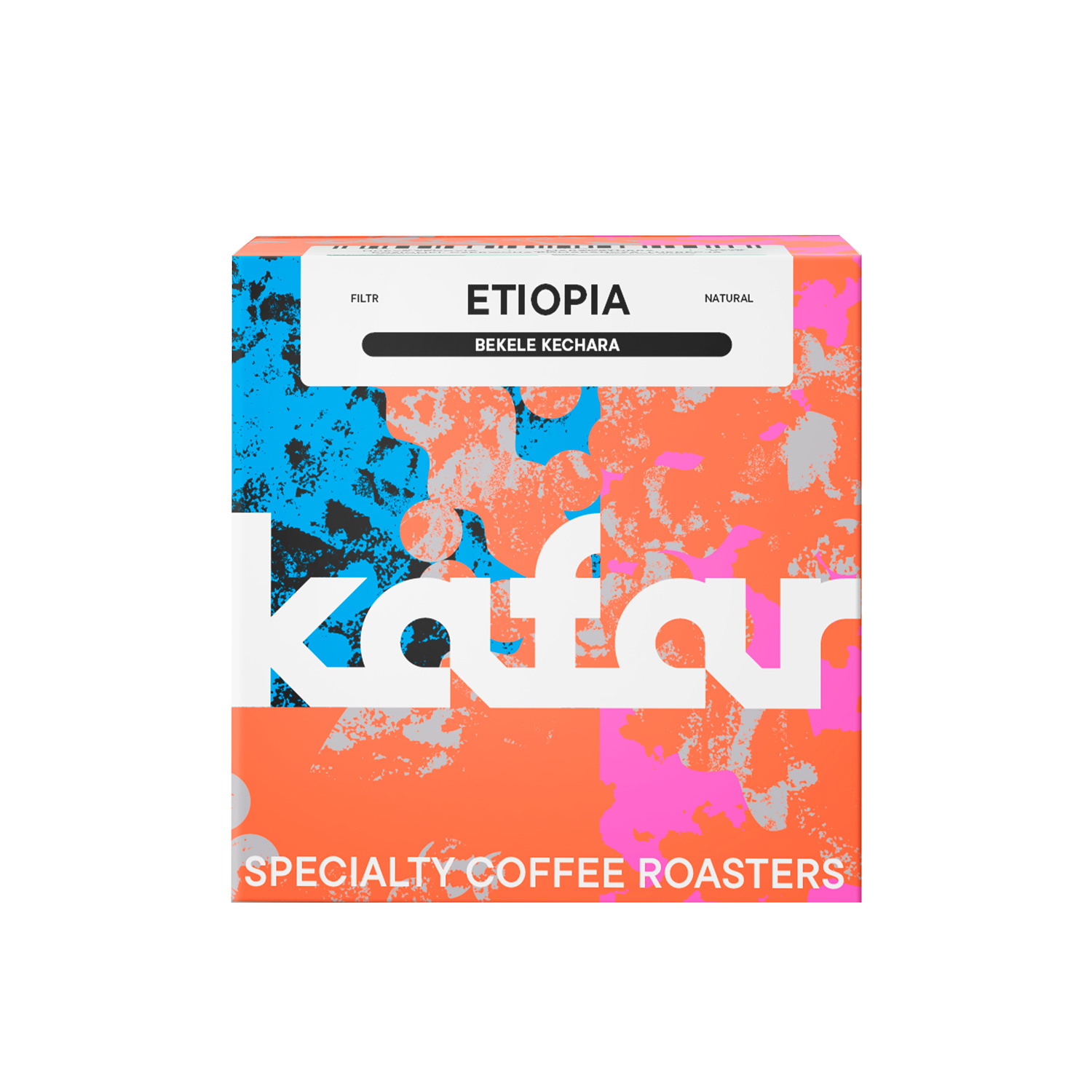
Whole-bean specialty coffee from Ethiopia, roasted by Kafar roasting brand. Light roast, perfect for filter coffee machines, drippers, Chemex, AeroPress, French Press, and other pour-over brewing methods. The brew resembles the flavour of melon, cardamon and blackberries.Origin: EthiopiaRegion: GujiProcessing: NaturalVariety: JARC 74112ABOUT THE COFFEEDaanisa is a coffee that demonstrates why we appreciate natural Ethiopian coffees so much. From the very first sip, it brings distinct fruitiness—melon introduces a juicy, honey-like sweetness, blueberries add depth and freshness, while cardamom appears as a subtle, spicy accent that lends character to the whole cup.However, this is not just the result of processing. Behind this profile lies a specific location and method of work. The coffee trees grow at high altitudes in the Guji region, where coffee is traditionally grown among other plants, preserving natural shade and biodiversity. The name Daanisa itself comes from a local tree that is part of this landscape—a place where coffee is not grown in isolation from nature, but alongside it.A group of 44 local producers collaborating with the Dambi Uddo station is responsible for the beans. Only carefully selected, ripe cherries are processed, which are then dried whole on raised beds. This method allows the natural sweetness of the fruit to be preserved and builds a characteristic profile: intense, yet clean and structured at the same time.What we like most about this coffee is the synergy of energy typical of Guji combined with an elegance that makes you want to come back to it. It is a coffee that does not need any additives or a complex brewing story to showcase its character.Store in a cool, dry place.
Specialty-grade whole-bean coffee from Ethiopia, roasted by the Polish roastery Paloma. Light roast – perfect for pour-over brewing methods such as drip, Chemex, AeroPress, French Press, batch brewers, and other alternative methods. In the cup, you’ll find notes of wild strawberry, milk chocolate, white tea, orange and chamomile.Origin: EthiopiaRegion: YirgacheffeProcessing method: NaturalVariety: HeirloomCupping score: 86 / 100Farm: Mr. Mengeche DersoAltitude: 2200 - 2300 m a.s.l.ABOUT THE FARMMr. Mengeche Derso is the owner of a 15-hectare farm located in the highlands of the Gedeo Zone, in the Southern Nations, Nationalities, and Peoples' Region of Ethiopia. This region, and the Gedeo Zone in particular, is famous for producing high-quality Yirgacheffe coffee.Mr. Mengeche is 62 years old and has been involved in agriculture his entire life. Thanks to his commitment to producing the highest quality coffee, he has gained recognition from state institutions.Mr. Mengeche has twelve children. Together with four of them, he actively works on the coffee plantation. To enrich the soil, they use natural fertilizers such as manure and plant residues. His farm is located at an altitude of 2,300 meters above sea level and is one of many in this area renowned for producing top-quality coffee.Store in a cool and dry place.
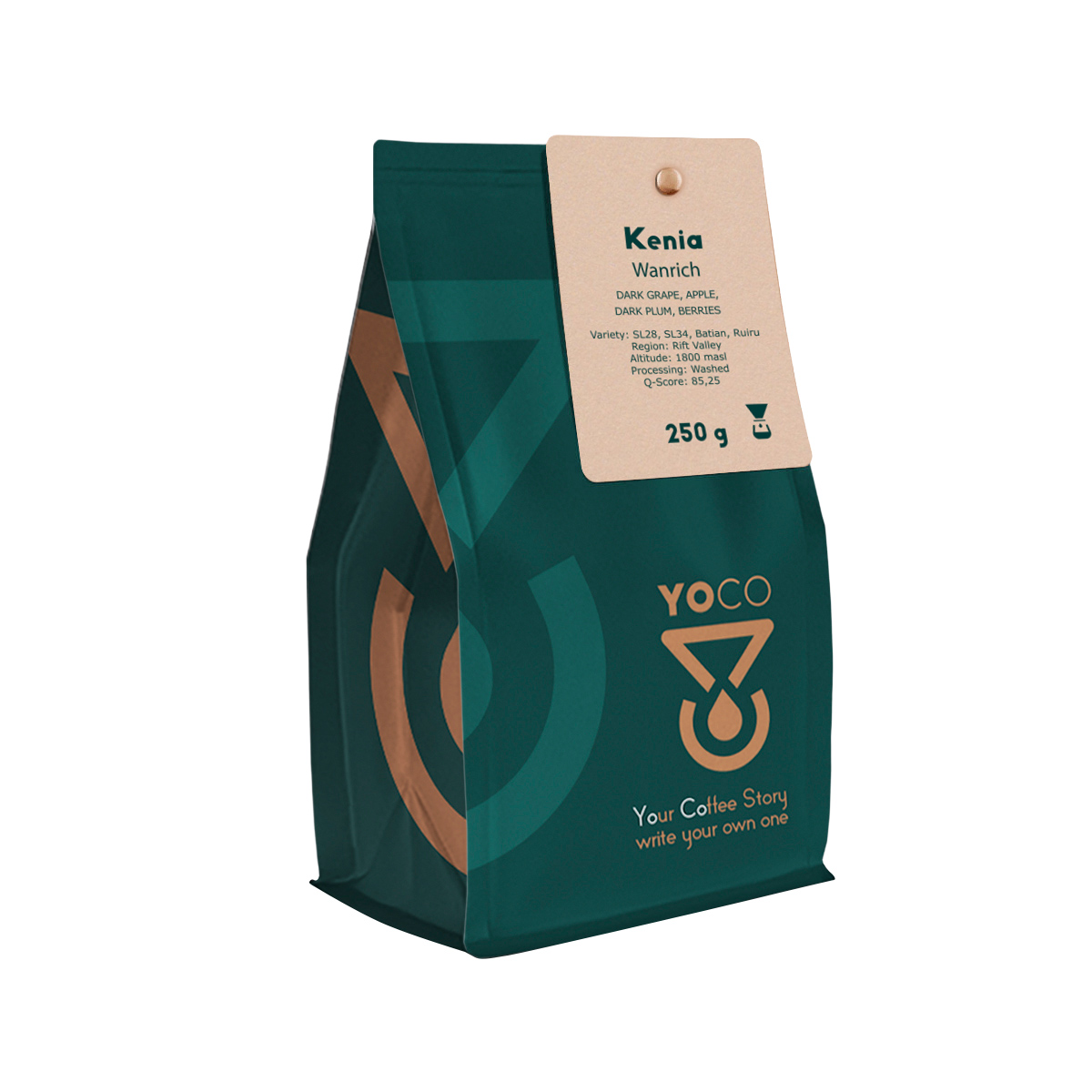
Whole-bean specialty coffee from Kenya, roasted by YOCO roasting brand. Light roast, perfect for filter coffee machines, drippers, Chemex, AeroPress, French Press, and other pour-over brewing methods. The flavour of the brew resembles dark plum, berries, apple, and dark grape.Country: KenyaRegion: Rift ValleyVarietal: SL28, SL34, Batian, RuiruProcessing: WashedAltitude: 1800 m a.s.l.Cupping score:85,25 / 100 pointsStore in a cold and dry space.
Whole-bean specialty coffee from Ethiopia, roasted by Kafar roasting brand. Light roast, perfect for filter coffee machines, drippers, Chemex, AeroPress, French Press, and other pour-over brewing methods. The brew resembles the flavour of flowers, wild strawberry and blackberry.Origin: EthiopiaRegion: SidamaProcessing: NaturalVariety: 74158, wollegaCupping score: 87 / 100 ABOUT THE COFFEEThis exceptional Ethiopia from the Sidama region showcases an extraordinarily crisp and complex flavor profile, dominated by floral notes, the sweetness of wild strawberries, and an intense accent of blueberries. The coffee has joined our offer thanks to collaboration with the importer 88 Graines, who sources beans directly from local producers during their trips at the source. This particular lot, subjected to traditional natural processing on African beds, stands out with a deep, fruity sweetness. Store in a cold and dry space.
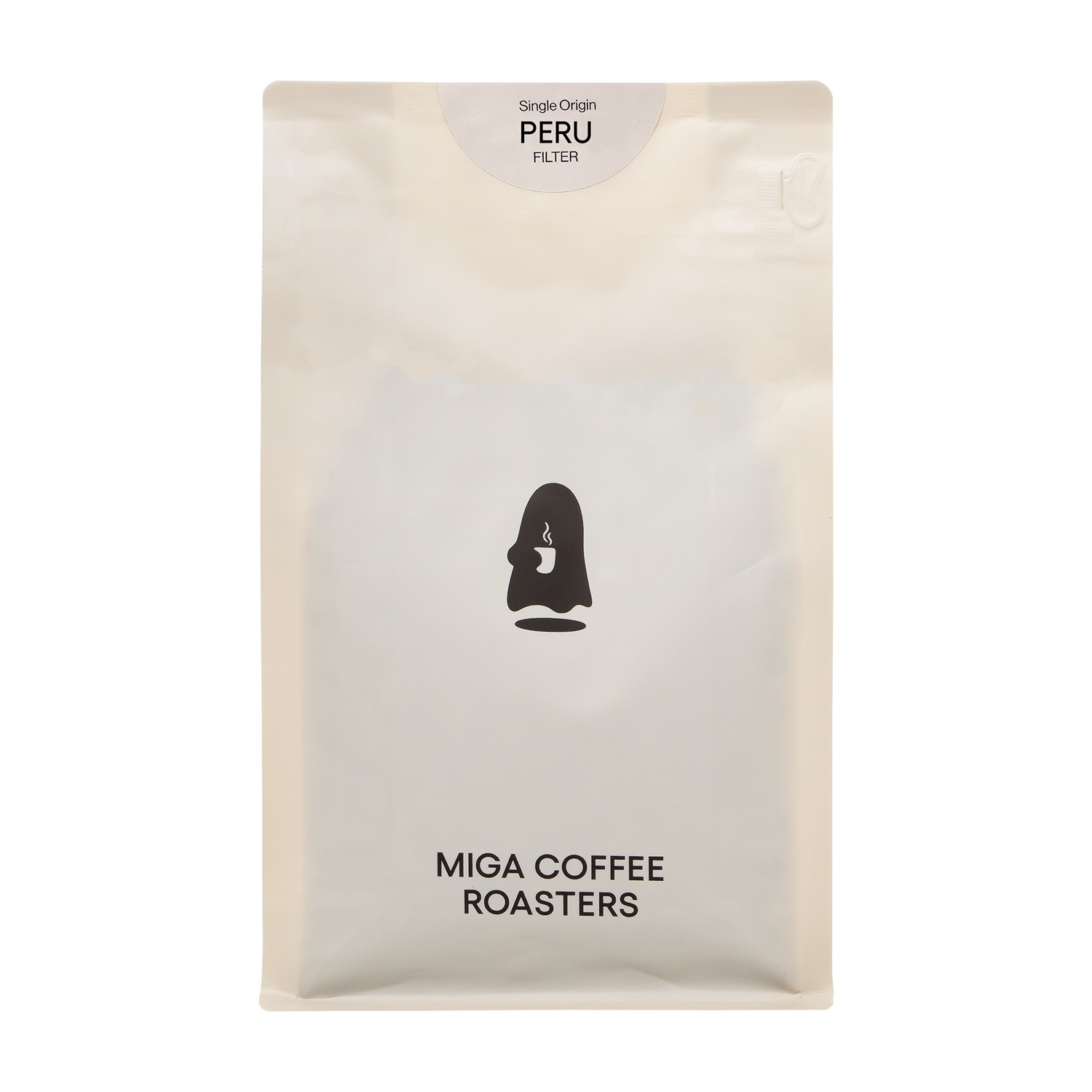
Miga Coffee Roasters Peru Cajamarca is a specialty-grade whole-bean coffee sourced from the Cenfrocafe cooperative, which brings together smallholder producers from northern Peru and holds organic farming certification. Bourbon variety beans, grown at elevations of 1600–2400 m a.s.l. in the Jaén and St. Ignacio areas, offer a clean and well-balanced profile. The cup is dominated by notes of dried fruits,honey, and nuts, creating a warm, sweet, and pleasantly creamy brew. It’s an excellent choice for lovers of classic, gentle, and naturally sweet coffees. Country of origin: PeruRegion: Jaén & St. Ignacio, Cajamarca RegionFarm: Cenfrocafe CooperativeVariety: BourbonProcessing method: WashedAltitude: 1600–2400 m a.s.l.Store in a cold and dry space.
Whole-bean specialty coffee from Ethiopia, roasted by Spojka roasting brand. Light roast, perfect for all drip-in brewing methods. The flavour of the brew resembles apricot, black tea, maple syrup and floral.Country: EthiopiaRegion: Kafa (Mankira Forest)Processing: WashedFarm: KEBIR CooperativeVarietal: Local LandracesCupping score: 85.5 / 100 pointsCoffee from the legendary Mankira Forest in the Ethiopian Kafa region, considered the birthplace of Arabica; a clean and elegant cup with subtle lemongrass and black tea.*The packages come in random colour versions.Store in a cold and dry space.