Good Coffee is a Polish specialty coffee brand focused on freshly roasted beans sourced from carefully selected farms. It combines a craft-driven approach with transparency of origin and the seasonality of its coffee offerings.
1 - 24
of 24 available products
"Selection by Coffeedesk" is our in-house recommendation that combines expert quality assessment, customer popularity, and product freshness — so you always see the best coffees at the top.
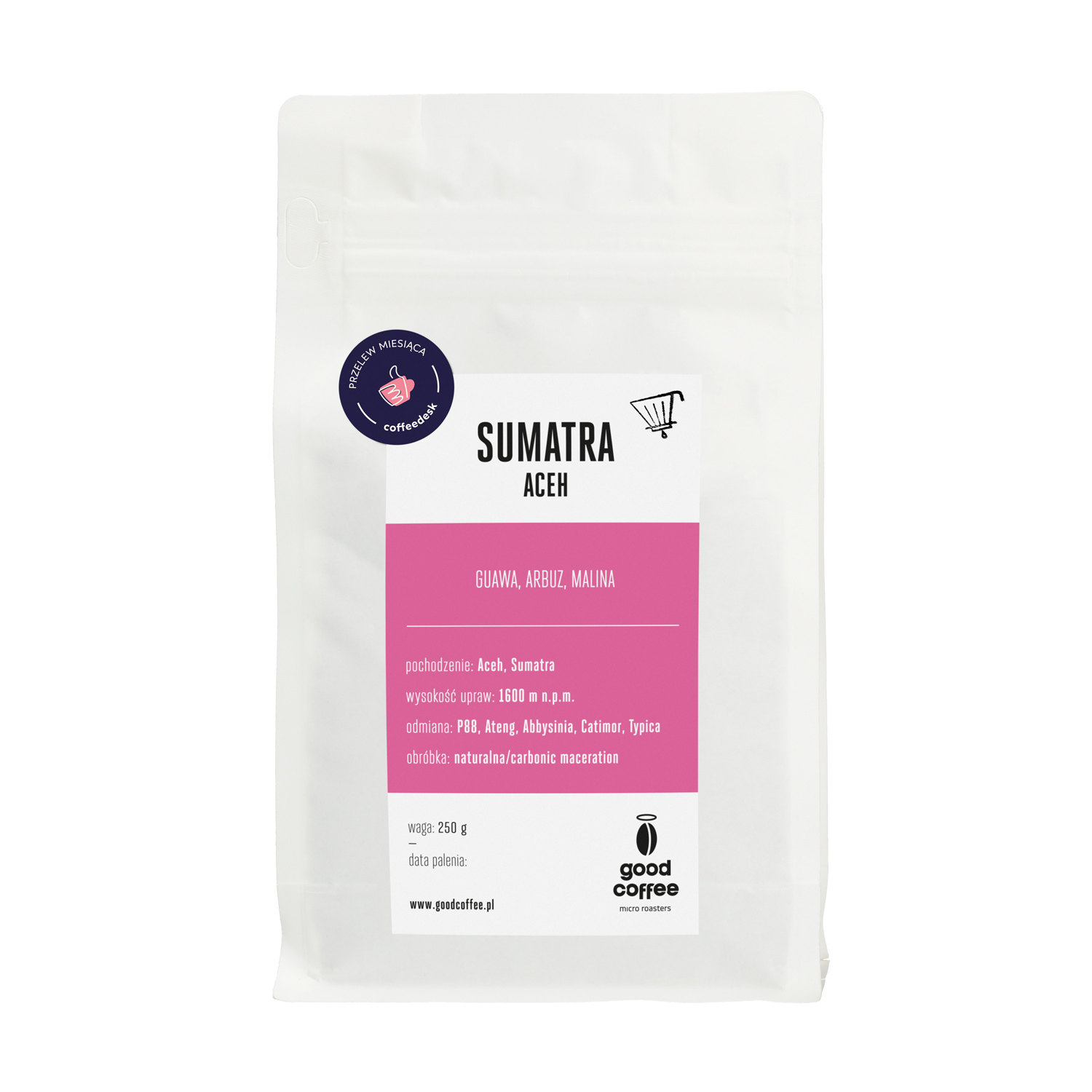
Whole-bean specialty coffee from Indonesia, roasted by Good Coffee roasting brand. Light roast, perfect for filter coffee machines, drippers, Chemex, AeroPress, French Press, and other pour-over brewing methods. The brew resembles the flavour of guava, watermelon and raspberry.Country: Indonesia (Sumatra)Region: Pantan Musara, AcehProducer: Hendra Maulizar, Asman AriantoFarm: Hendra Maulizar/Ribang GayoProcessing: Natural Carbonic MacerationAltitude: 1600 m a.s.l.Variety: P88, Ateng, Abbyssinia, Catimor, TypicaABOUT THE PRODUCERS AND THE FARMIt is hard to find coffee from more renowned producers in Indonesian Sumatra. A blend of beans from Hendra Maulizar and Asman Arianto, who started the specialty revolution on the island. Both started with small fields and selling fruit to the mass market. In the early 2000s, both decided to switch to producing high-quality coffee and processing fruit from surrounding farmers. And both live in the same village of Pantan Musara near Lake Takengon.The revolution they started consisted of being the first to depart from the traditional Sumatran processing method, gilling basah, which minimized the fruit drying time due to the humid local climate and unfortunately resulted in a coffee flavor that was not good. Asman and Hendra tried natural processing (whole fruits are dried for a long time, and finally, the dry pulp and skin are removed) and washed processing (skin and pulp are removed from the fruits immediately, and the prepared beans are dried this way), and they began experimenting with fermentations. The result turned out to be excellent. Today, they work with trusted farmers who cultivate and harvest with proper care.You should know that Hendra and Asman are very demanding - of themselves and others. Hendra personally supervises his workers almost every day during the harvest season; he is a perfectionist. Asman is a Cup of Excellence winner. It is also worth mentioning that their path to where they are now was not easy. Asman came to Aceh from around Berastagi after a local volcano awakened and many people were displaced. Hendra arrived in Aceh with his father, who moved here to grow coffee - initially, they had only 1 hectare of land and struggled with many difficulties. It is also worth emphasizing that both support the farmers they work with, share knowledge and access to exporters, and are known for their high work ethic. What does this mean? For instance, they pay farmers immediately for delivered fruit, which is unfortunately not so obvious in the coffee world. ROASTER'S OPINIONOur blend consists of a full spectrum of varieties characteristic of Aceh, including some you won't find outside of Indonesia. Each of them influences the final profile of the coffee, but roasting them together presents a significant challenge. The coffee composition includes: P88, Ateng, Abyssinia, Catimor, and Typica. Farmers grow them not only for their flavor qualities, but high yields and resistance to diseases or pests also matter.P88 comes from Colombia, from where it was brought to Sumatra; it can also be found on the island of Java. Catimor and the related Ateng are varieties known for their resistance to fruit disease; Ateng is a typical Indonesian hybrid. Abyssinia - almost unseen outside of blends - is a variety brought to Indonesia from Ethiopia in the early 20th century. Indonesian Typica arrived in Indonesia from Yemen - likely back in the 17th century. It is a very old variant of this variety, almost unseen in Indonesia outside of Sumatra. Probably each of these varieties separately would not yield such a good effect as they create in a blend, offering flavor intensity, sweetness, body, acidity, and earthy notes characteristic of Sumatra.When it comes to roasting beans from Sumatra, it is always a great pleasure for us, because for many years we have had an undisguised weakness for coffees from that region of the world and we love drinking them. But at the same time, it is a big challenge, because it means roasting several varieties in one drum, each behaving differently during the roasting process (which is why you will find beans of various shapes and shades of brown in the bag). The second difficulty lies in the fact that the beans from there are internally not very dense, and consequently very delicate and easy to "over-roast." When roasting coffee, we always strive to make its taste as balanced as possible. The roast cannot be too light, because then the coffee lacks sweetness. Nor can it be too dark, so that the brew has appropriately high acidity and well-emphasized fruity notes. In the case of coffees from Sumatra, as well as our coffee of the month, this window is exceptionally narrow. We hope we managed to hit it. RECIPEOur favorite method is immersion in Hario Switch 15 g coffee 250 g water temp. 94 degrees1. Pour a small amount of water over the ground coffee.2. After 30 seconds, slowly pour in the rest of the water.3. After 1:45 min, open the dripper so the brew flows into the server - it should drain completely in about 2:15 min.Iced version20 g coffee 90 g ice 180 g water temp. 94 degrees1. Pour a small amount of water over the ground coffee.2. After 30 seconds, slowly pour in the rest of the water.3. After 1:40, place the server with prepared ice under the dripper, open the dripper so the brew flows onto the ice - it should drain completely in about 2:15 min.Store in a cool and dry place.
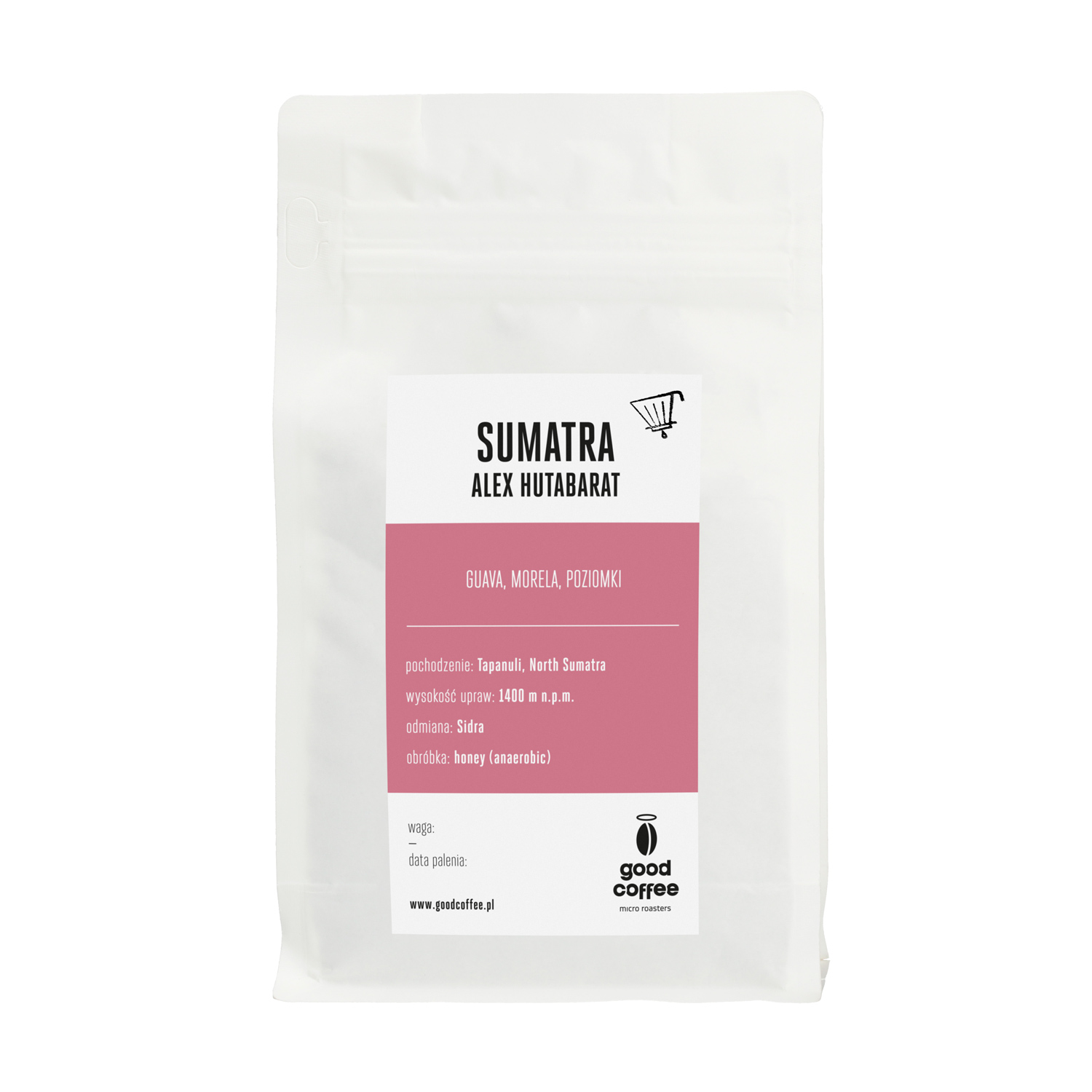
Whole-bean specialty coffee from Sumatra, roasted by Good Coffee roasting brand. Light roast, perfect for filter coffee machines, drippers, Chemex, AeroPress, French Press, and other pour-over brewing methods. The brew resembles the flavour of guava, apricot and wild strawberry.Country: Indonesia (Sumatra)Region: Tapanuli, North SumatraFarm: Alex HutabaratProcessing: Honey AnaerobicVariety: SidraStore in a cool and dry place.
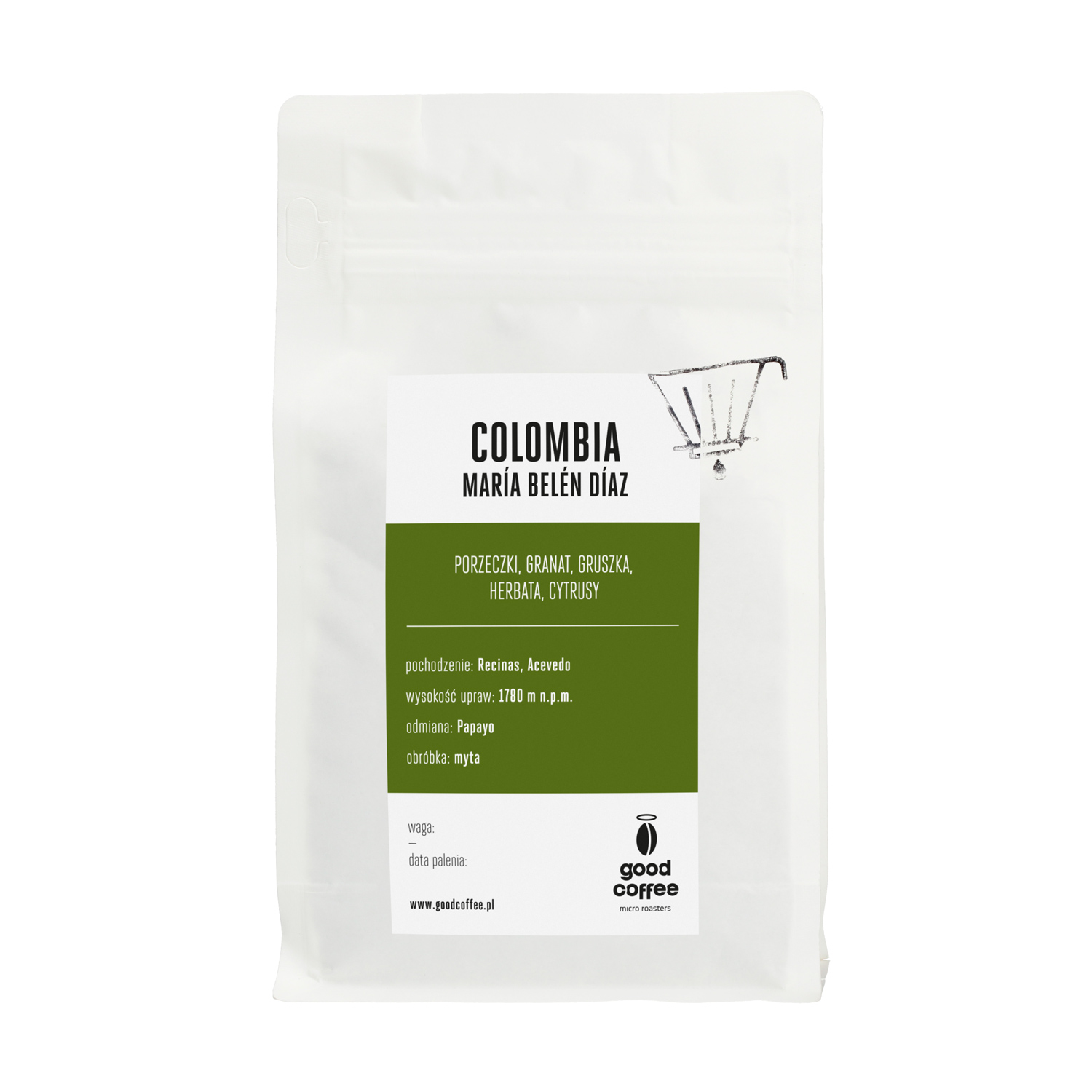
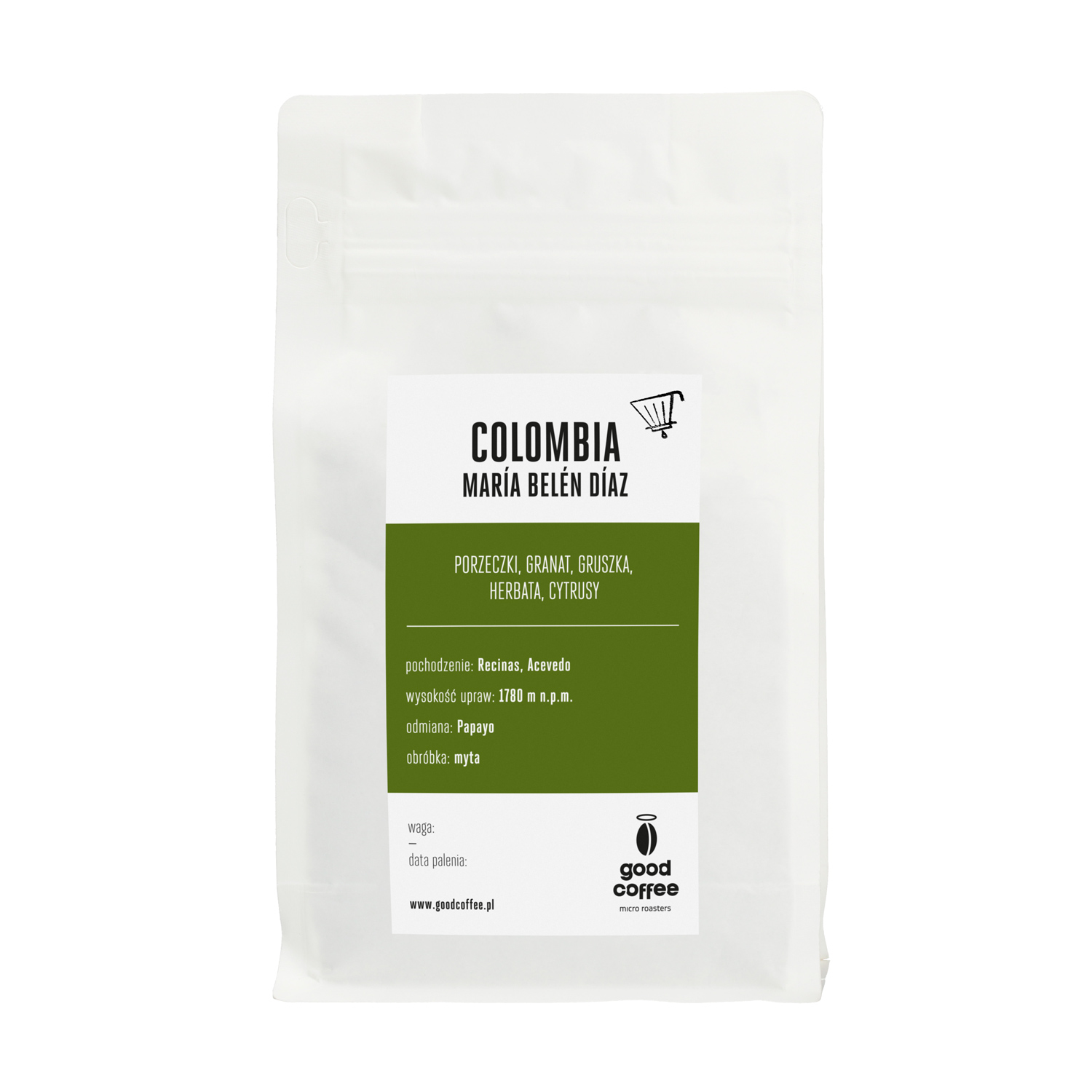
Specialty-grade whole-bean coffee from Colombia, roasted by Good Coffee Micro Roasters in Warsaw. Lightly roasted, perfect for pour-over machines, drip, Chemex, AeroPress, French Press, and other alternative brewing methods. The flavour profile includes notes of currants, pomegranate, tea, citrus and pear.Country of origin: ColombiaRegion: Recinas, AcevedoProcessing method: WashedVariety: PapayoElevation: 1780 m a.s.l.Store in a cold and dry space.
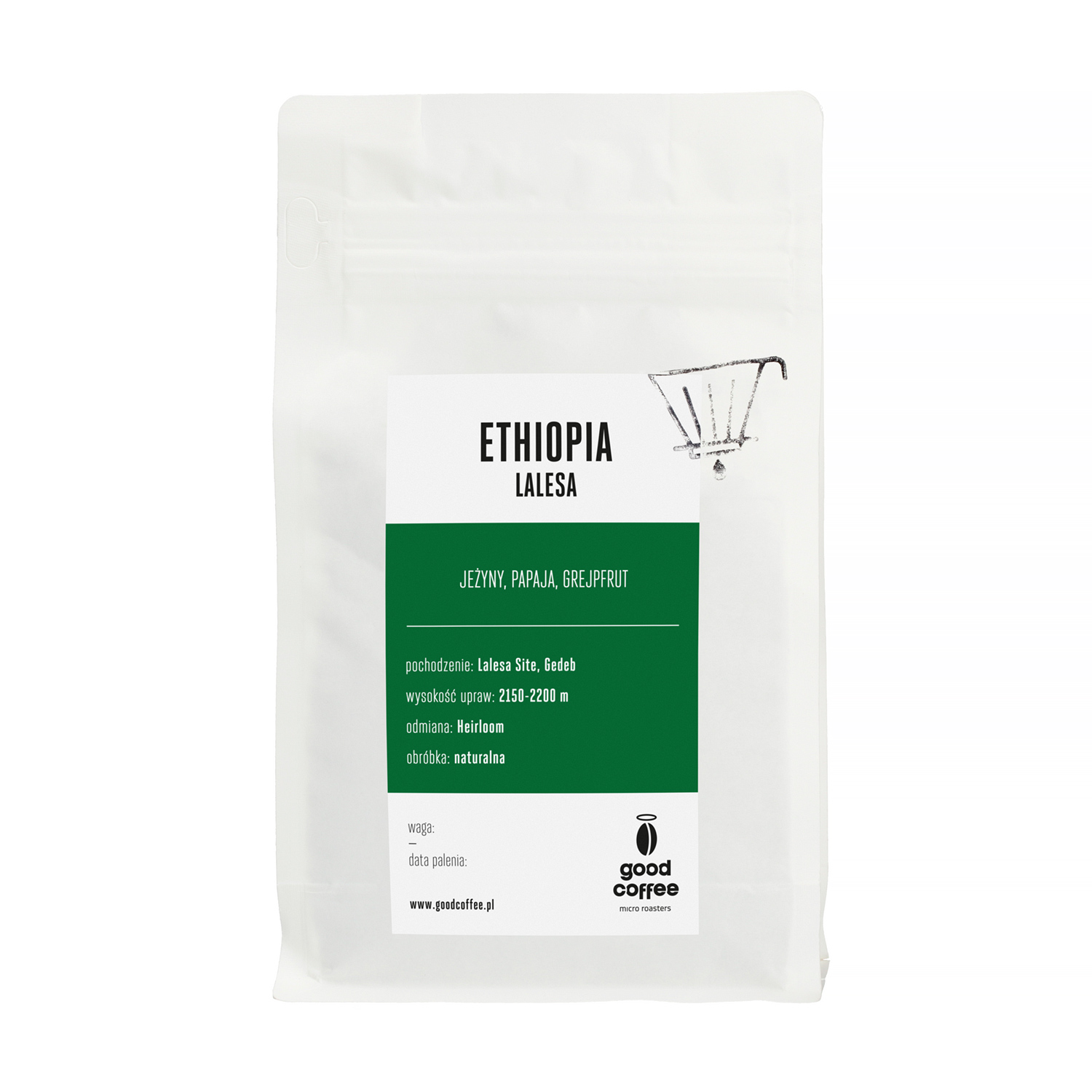
Whole-bean specialty coffee from Ethiopia, roasted by Good Coffee Micro Roasters from Poland. Light roast, perfect for filter coffee machines, drippers, Chemex, AeroPress, French Press, and other pour-over brewing methods. In the brew, you can expect the notes of grapefruit, papaya, and blackberries.Country: EthiopiaRegion: GedebFarm: Lalesa SiteProducer: LalesaProcessing: NaturalVarietal: HeirloomAltitude: 2200 m a.s.l.Store in a cold and dry space.
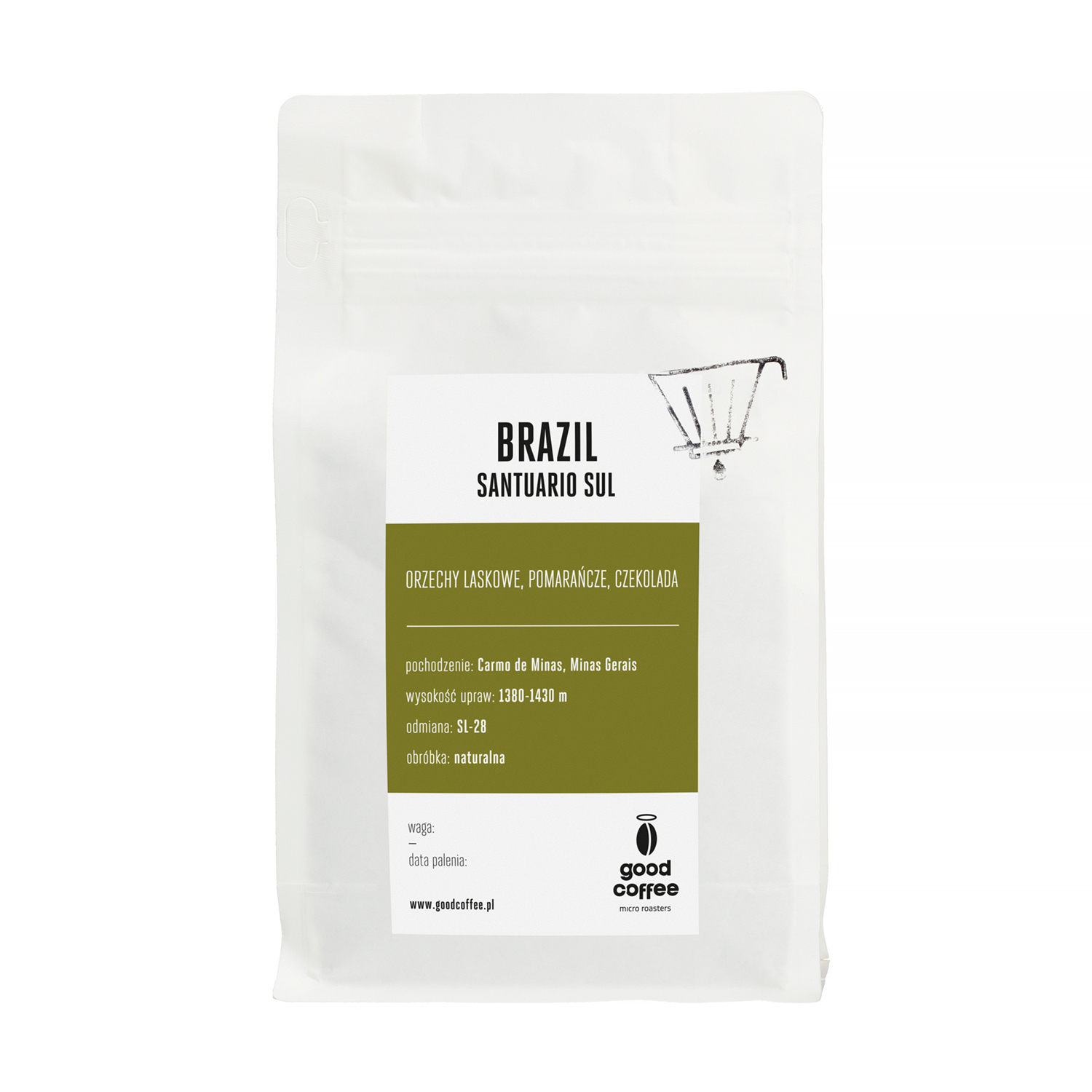
Whole-bean specialty coffee from Brazil, roasted by Good Coffee Micro Roasters from Poland. Light roast, perfect for filter coffee machines, drippers, Chemex, AeroPress, French Press, and other pour-over brewing methods. In the brew, you can expect the notes of hazelnut, orange, and chocolate.Country: BrazilRegion: Minas GeraisFarm: Santuario SulProcessing: NaturalVarietal: SL28Altitude: 1380-1430 m a.s.l.Store in a cold and dry space.
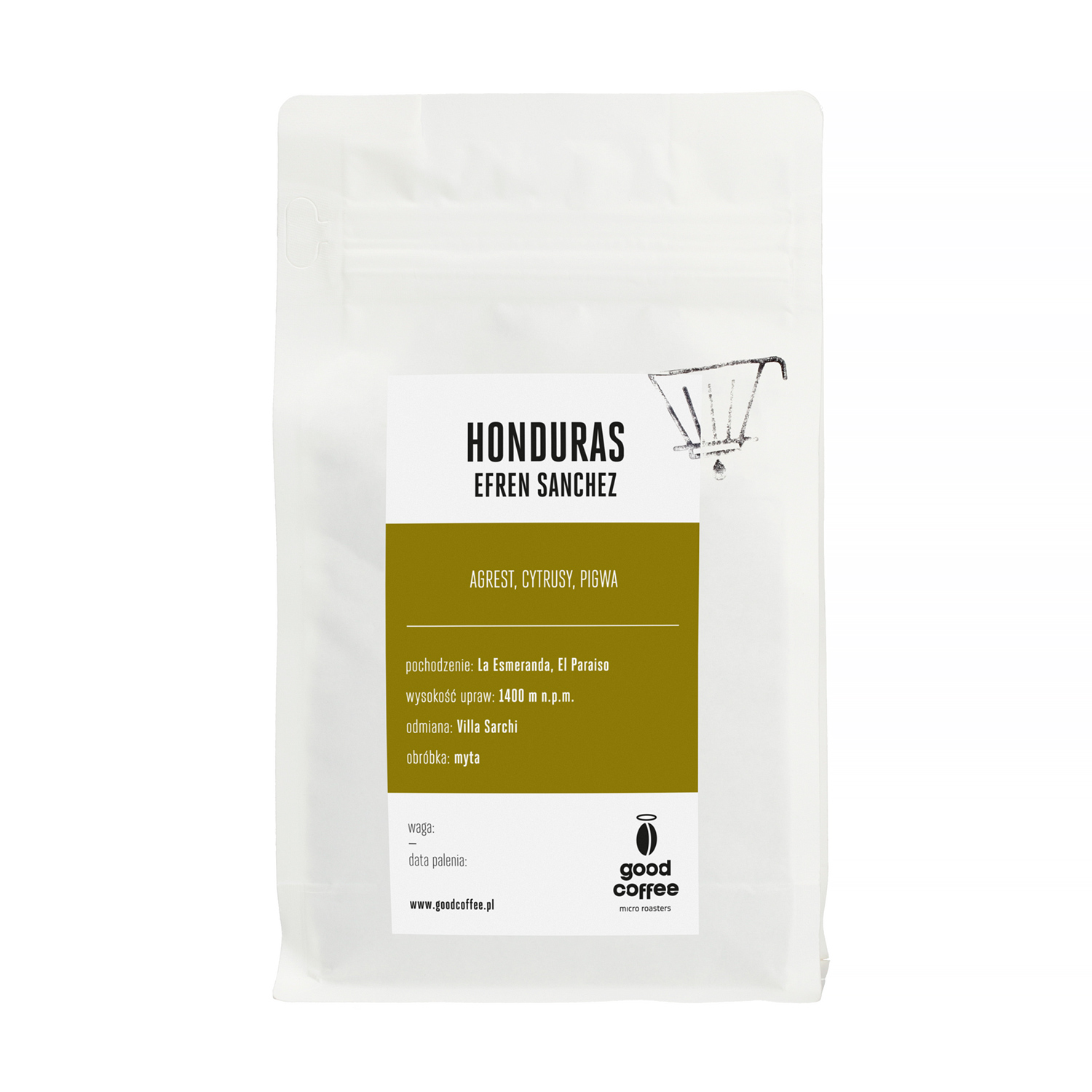
Specialty-grade whole-bean coffee from Honduras, roasted by Good Coffee Micro Roasters in Warsaw. Lightly roasted, perfect for pour-over machines, drip, Chemex, AeroPress, French Press, and other alternative brewing methods. The flavour profile includes notes of cranberry, citrus and quince.Origin: Honduras Region: La Esmeranda, El ParaisoProcessing: WashedVariety: Villa SarchiAltitude: 1400 m a.s.l.Store in a cold and dry space.
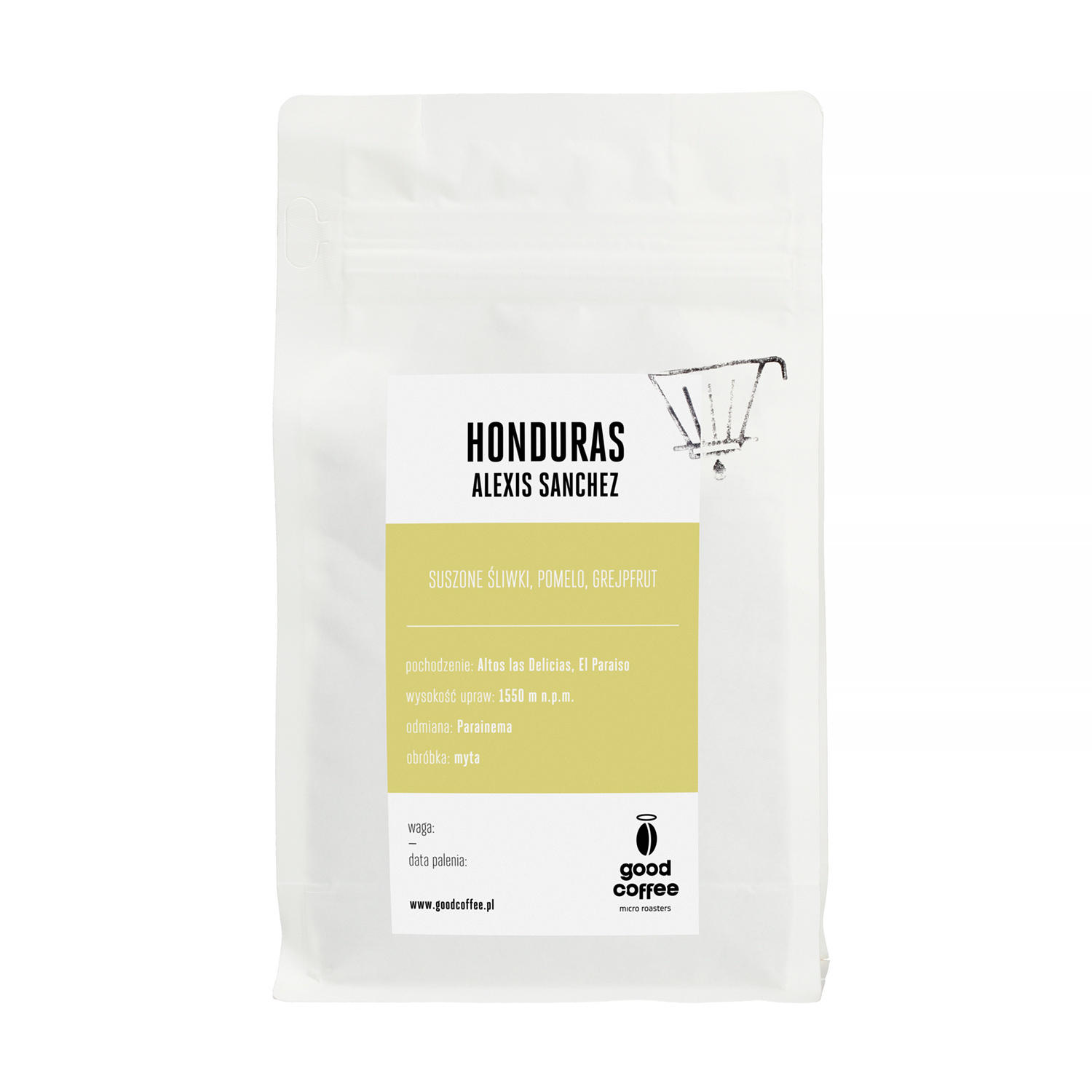
Whole-bean specialty coffee from Honduras, roasted by Good Coffee Micro Roasters from Poland. Light roast, perfect for filter coffee machines, drippers, Chemex, AeroPress, French Press, and other pour-over brewing methods. In the brew, you can expect the notes of dried plum, pomelo and grapefruit.Origin: Honduras Region: Altos las Delicias, El Paraiso Processing: WashedVariety: ParainemaAltitude: 1550 m a. s. l.Store in a cold and dry space.
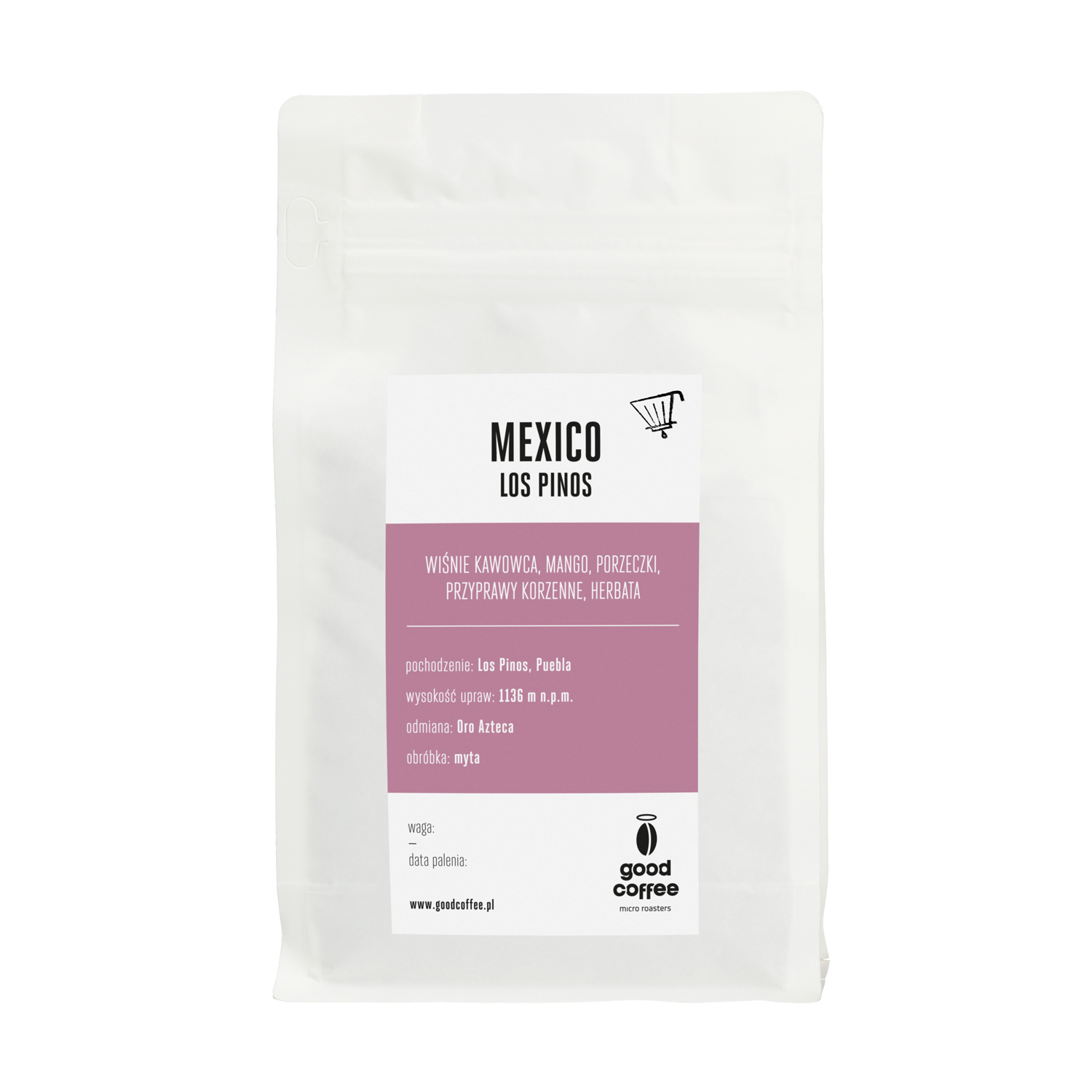
Whole-bean specialty coffee from Mexico, roasted by Good Coffee roasting brand. Light roast, perfect for filter coffee machines, drippers, Chemex, AeroPress, French Press, and other pour-over brewing methods. The brew resembles the flavour of coffee cherry, mango, currants, warm spices and tea.Country: MexicoRegion: PueblaFarm: Finca Los PinosProcessing: WashedVariety: Oro AztecaStore in a cool and dry place.
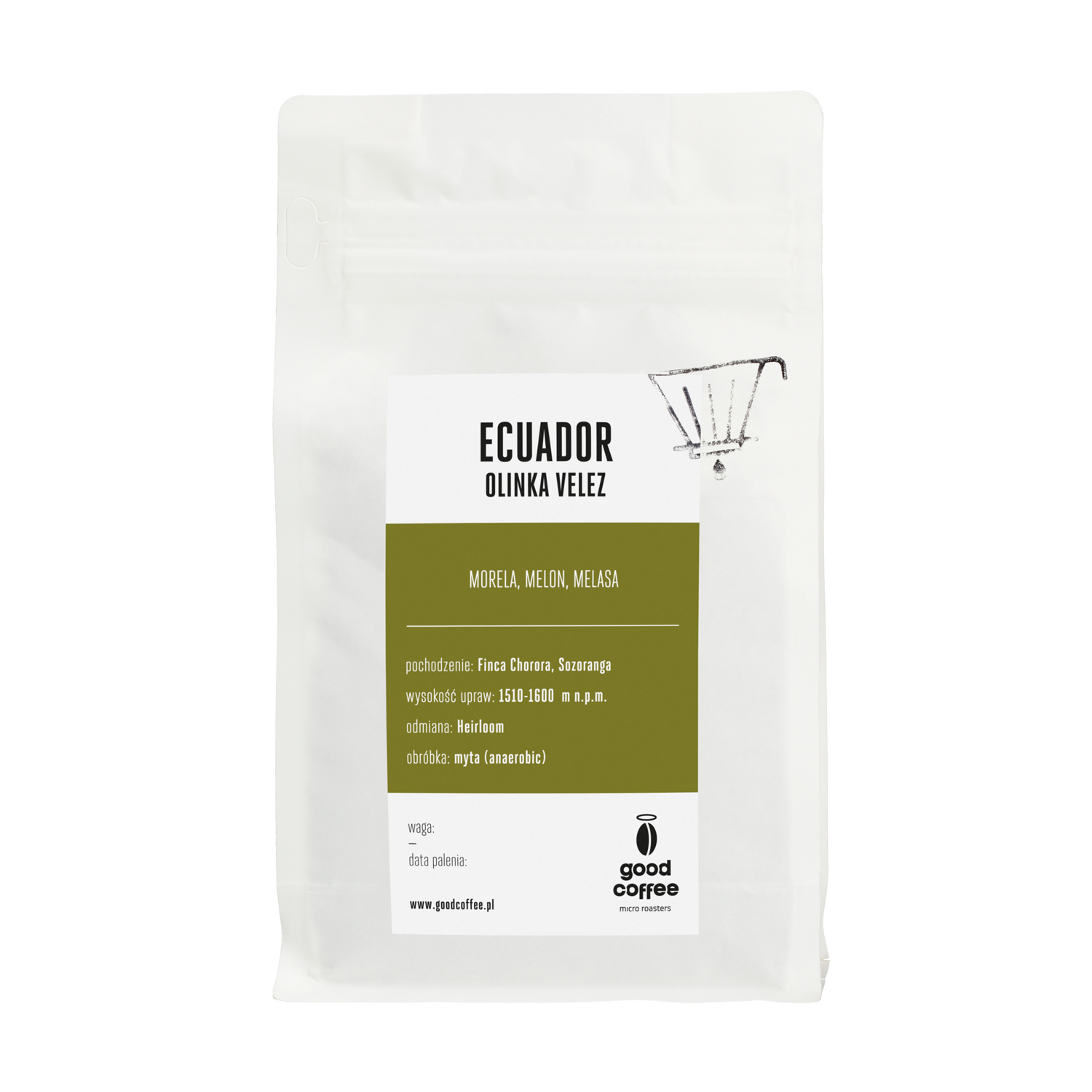
Whole-bean specialty coffee from Ecuador, roasted by Good Coffee Micro Roasters from Poland. Light roast, perfect for filter coffee machines, drippers, Chemex, AeroPress, French Press, and other pour-over brewing methods. In the brew, you can expect the notes of apricot, melon and melasa.Country: EcuadorRegion: Finca Chorora, SozorangaProcessing: WashedVarietal: HeirloomAltitude: 1510-1600 m a.s.l.Store in a cold and dry space.
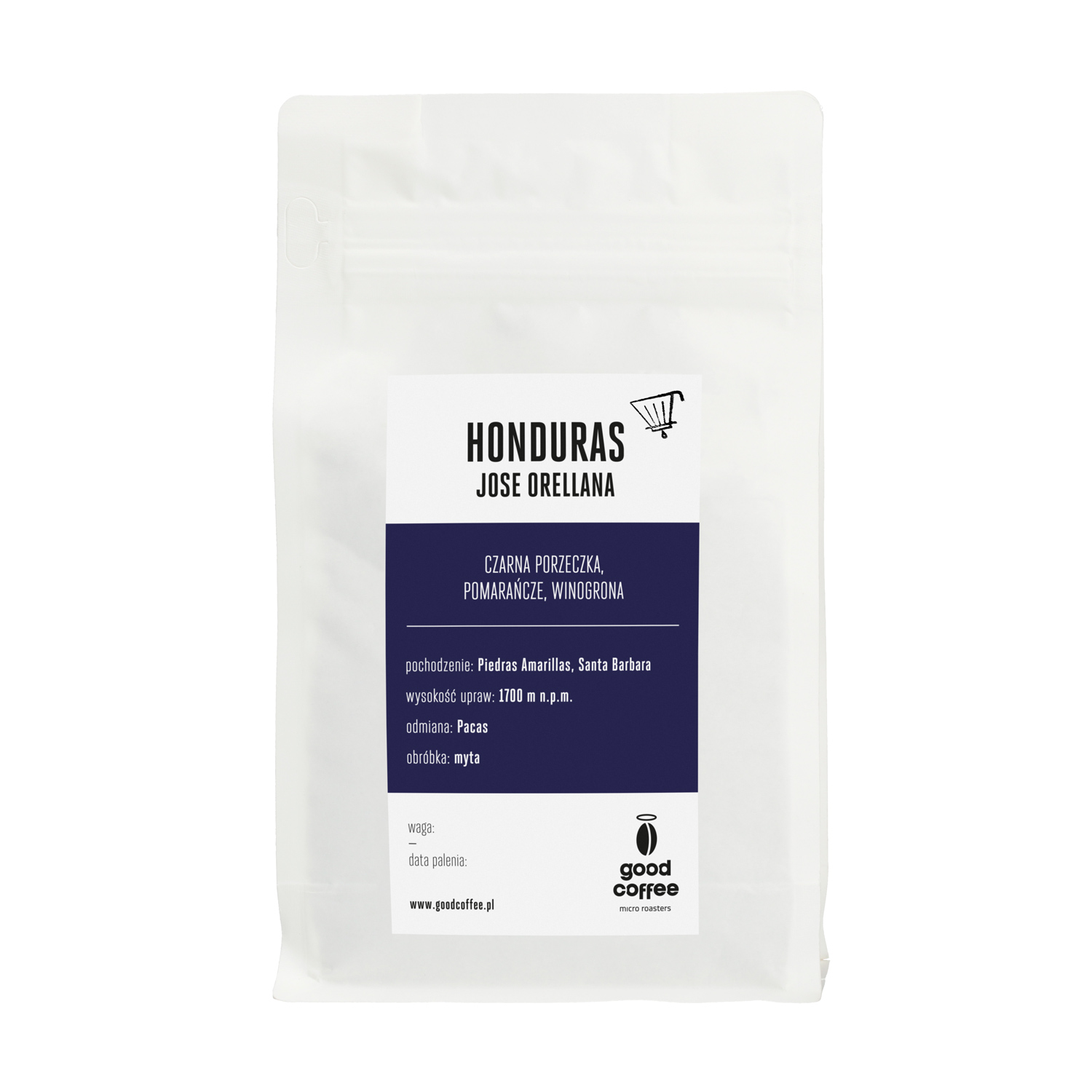
Whole-bean specialty coffee from Honduras, roasted by Good Coffee roasting brand. Light roast, perfect for filter coffee machines, drippers, Chemex, AeroPress, French Press, and other pour-over brewing methods. The brew resembles the flavour of blackcurrant, grape and orange.Country: HondurasRegion: San Vicente, Santa BárbaraFarm: José Alberto Orellana (El Cedral); Beneficio San VicenteProcessing: WashedVariety: PacasStore in a cool and dry place.
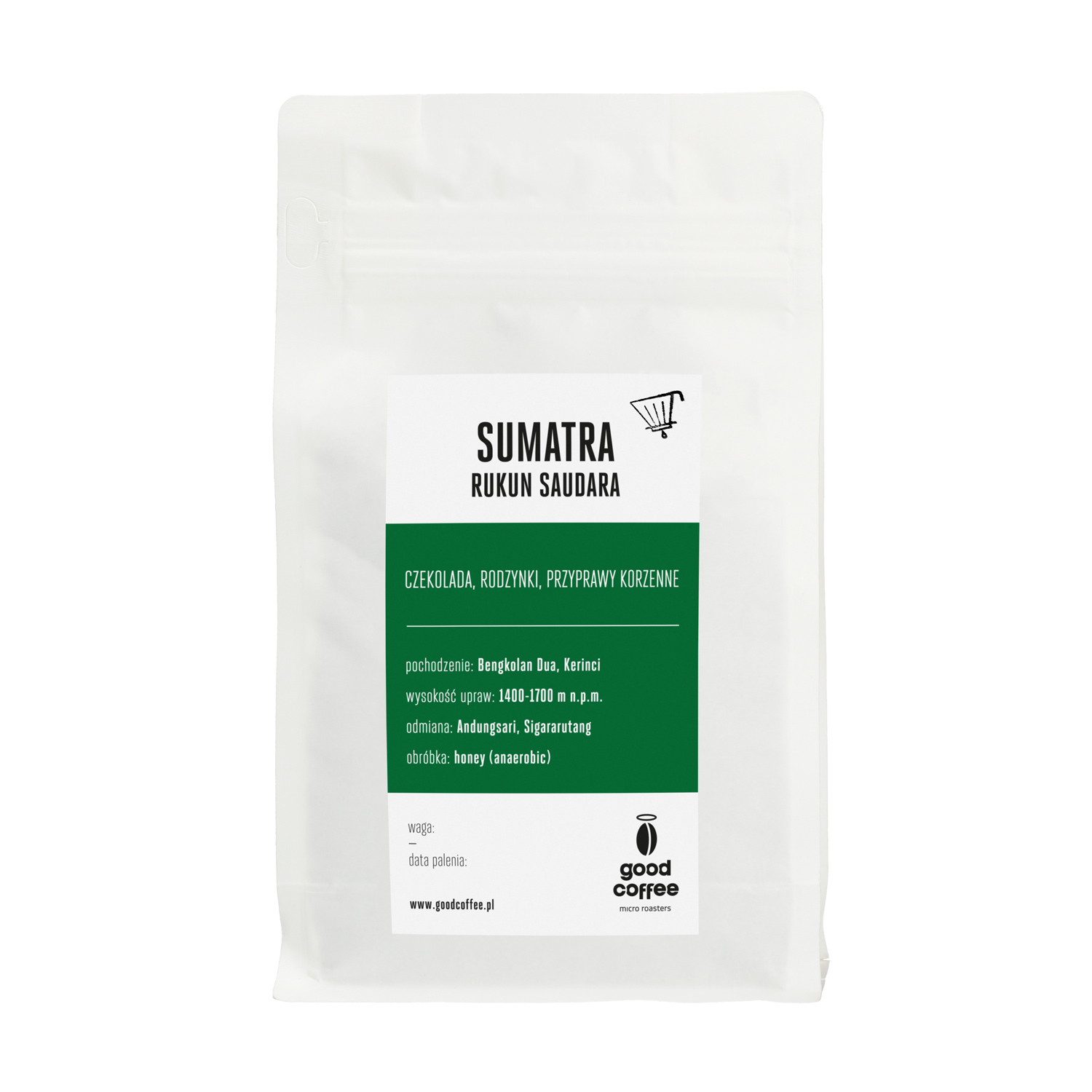
Whole-bean specialty coffee from Sumatra, roasted by Good Coffee roasting brand. Light roast, perfect for filter coffee machines, drippers, Chemex, AeroPress, French Press, and other pour-over brewing methods. The brew resembles the flavour of chocolate, raisins and warm spices.Country: Indonesia (Sumatra)Region: KerinciFarm: Rukun Saudara (producer Aziz)Processing: Honey AnaerobicVariety: Andungsari, SigararutangStore in a cool and dry place.
Whole-bean specialty coffee from Colombia, roasted by Good Coffee roasting brand. Dark roast, perfect for espresso and moka pots. The brew resembles the flavour of blackcurrant, citrus, pomegranate, pear and tea.Country: ColombiaRegion: Acevedo, HuilaFarm: Finca Recinas (María Belén Díaz)Processing: WashedVariety: PapayoWashed Papayo from María Belén Díaz's Finca Recinas, Acevedo (Huila); crisp and juicy with blackcurrant, citrus, pomegranate and pear.Store in a cool and dry place.
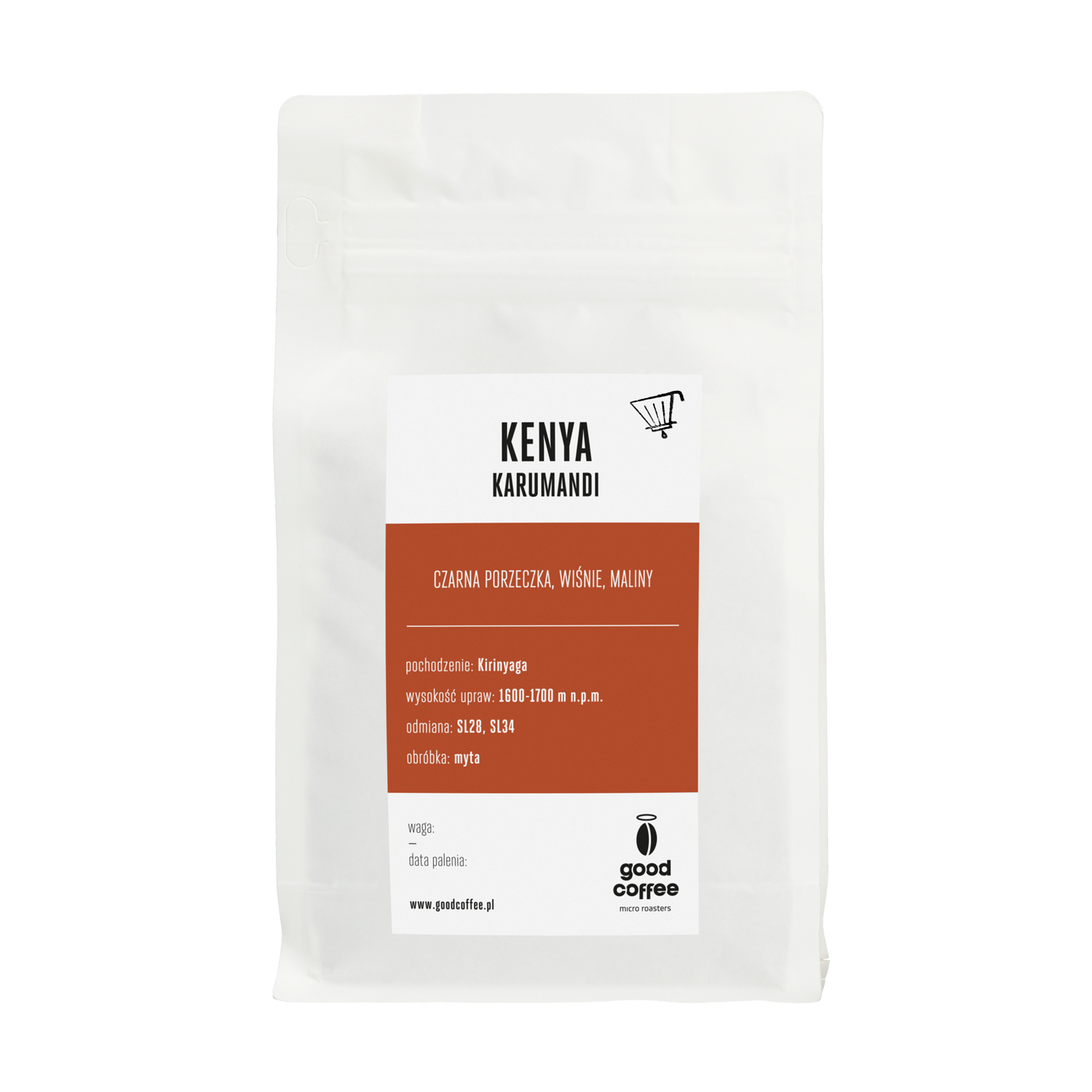
Whole-bean specialty coffee from Kenya, roasted by Good Coffee roasting brand. Dark roast, perfect for espresso machines and moka pots. The brew resembles the flavour of blackcurrant, cherry, raspberry and dark molasses.Country: KenyaRegion: KirinyagaFarm: Karumandi Coffee Factory (Baragwi Co-op)Processing: WashedVariety: SL-28, SL-34Washed SL-28/SL-34 from Karumandi Factory (Baragwi Co-op), Kirinyaga; blackcurrant, cherry and raspberry with a dark-molasses finish.Store in a cool and dry place.
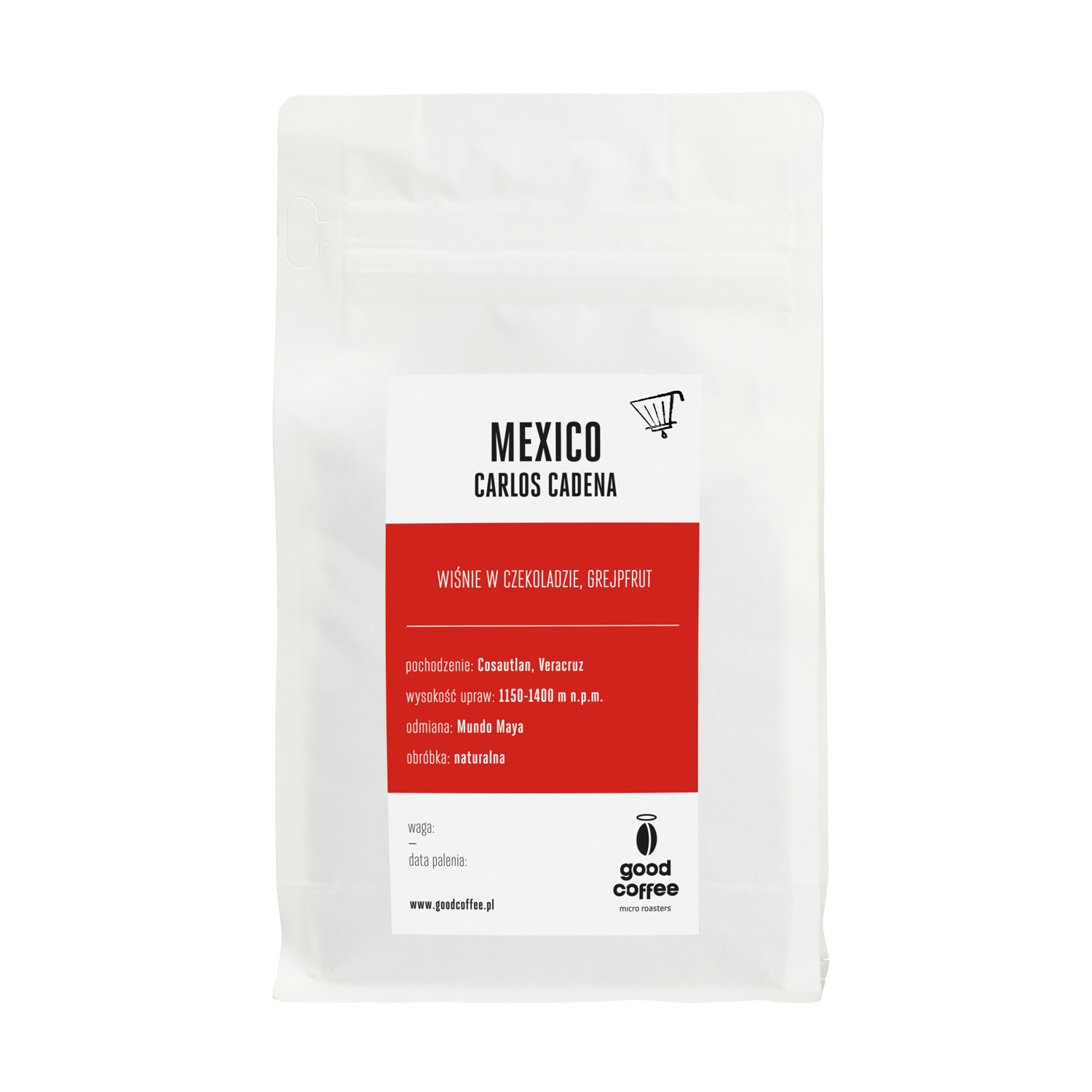
Whole-bean specialty coffee from Mexico, roasted by Good Coffee roasting brand. Light roast, perfect for filter coffee machines, drippers, Chemex, AeroPress, French Press, and other pour-over brewing methods. The brew resembles the flavour of chocolate-covered cherries and grapefruit.Country: MexicoRegion: Cosautlan, VeracruzFarma: Carlos CadenaProcessing: Natural AnaerobicVariety: Mundo MayaMundo Maya from producer Carlos Cadena, Cosautlan, Veracruz; syrupy sweetness with chocolate-covered cherries and grapefruit.Store in a cool and dry place.
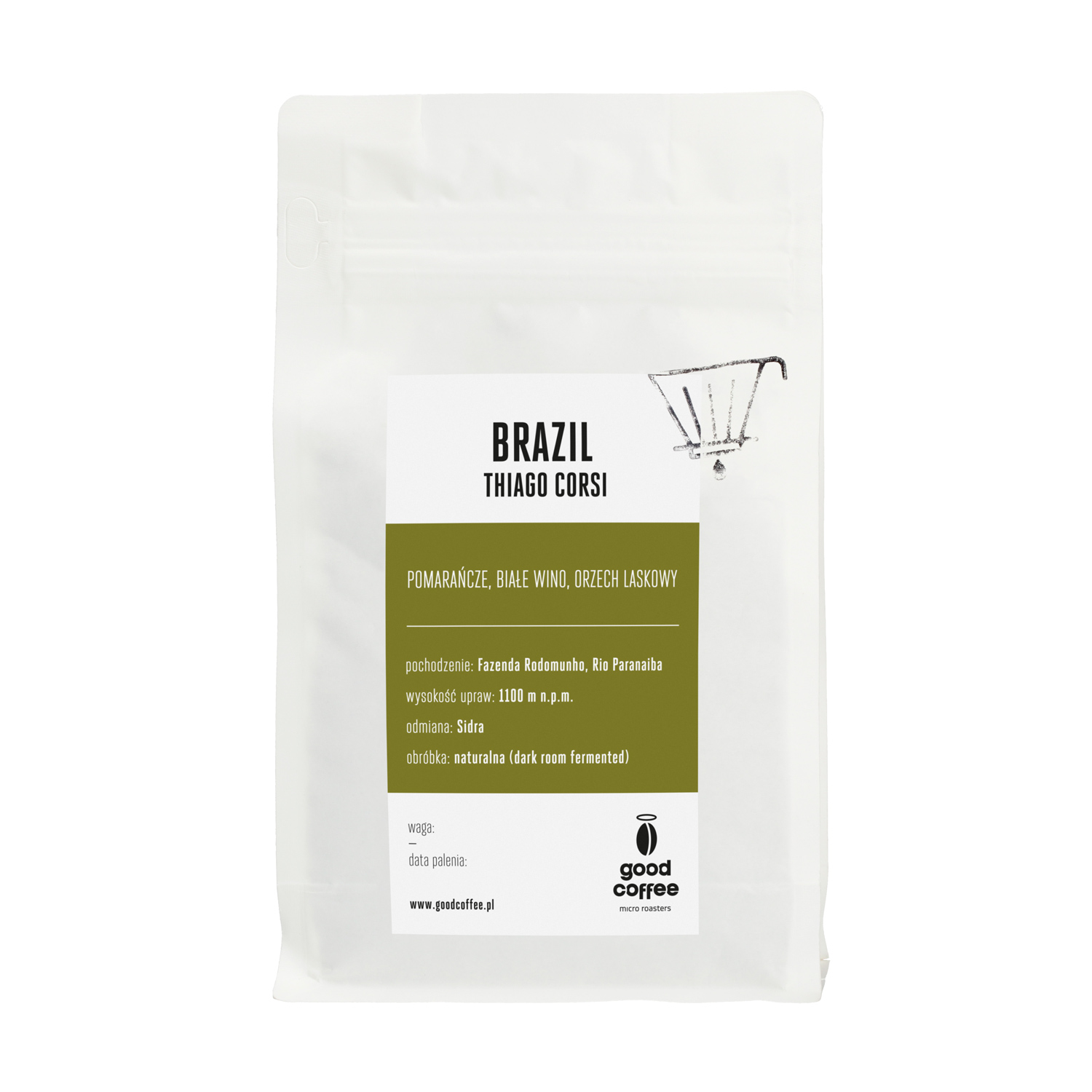
Specialty-grade whole-bean coffee from Brazil, roasted by Good Coffee Micro Roasters in Warsaw. Lightly roasted, perfect for pour-over machines, drip, Chemex, AeroPress, French Press, and other alternative brewing methods. The flavour profile includes notes of white wine, orange and hazelnut.Country of origin: BrazilRegion: Rio ParanaíbaFarm: Fazenda Rodomunho – Thiago CorsiProcessing method: Natural / FermentedVariety: SidraAltitude: 1100 m a.s.l.Store in a cold and dry space.
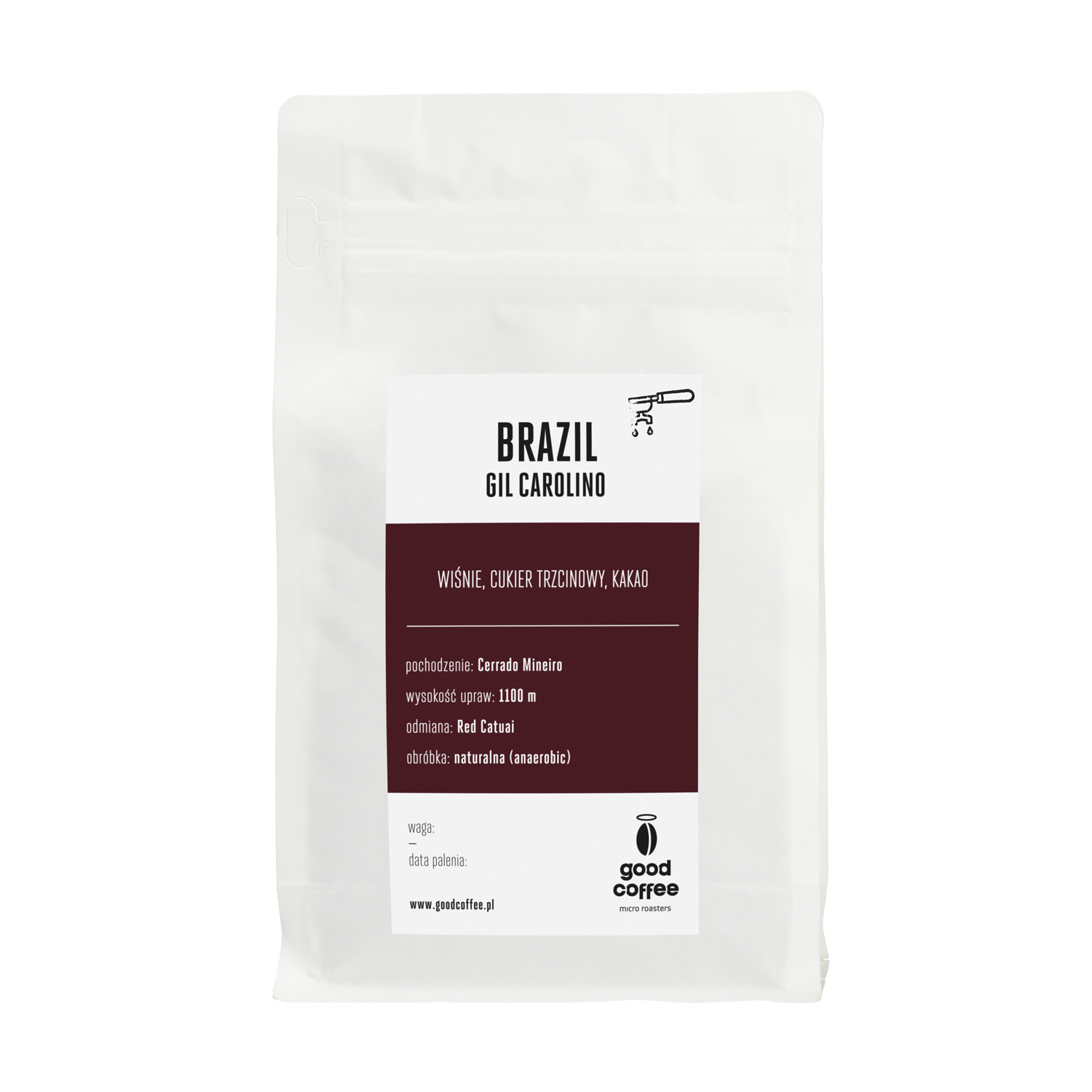
Whole-bean specialty coffee from Brazil, roasted by Good Coffee roasting brand. Dark roast, perfect for espresso and moka pots. The brew resembles the flavour of cocoa, cherry and brown sugar.Country: BrazilRegion: Cerrado Mineiro (Carmo do Paranaíba)Farm: Fazenda Boa Vista (Gil Carolino family)Processing: Natural FermentedVariety: Red CatuaíStore in a cool and dry place.
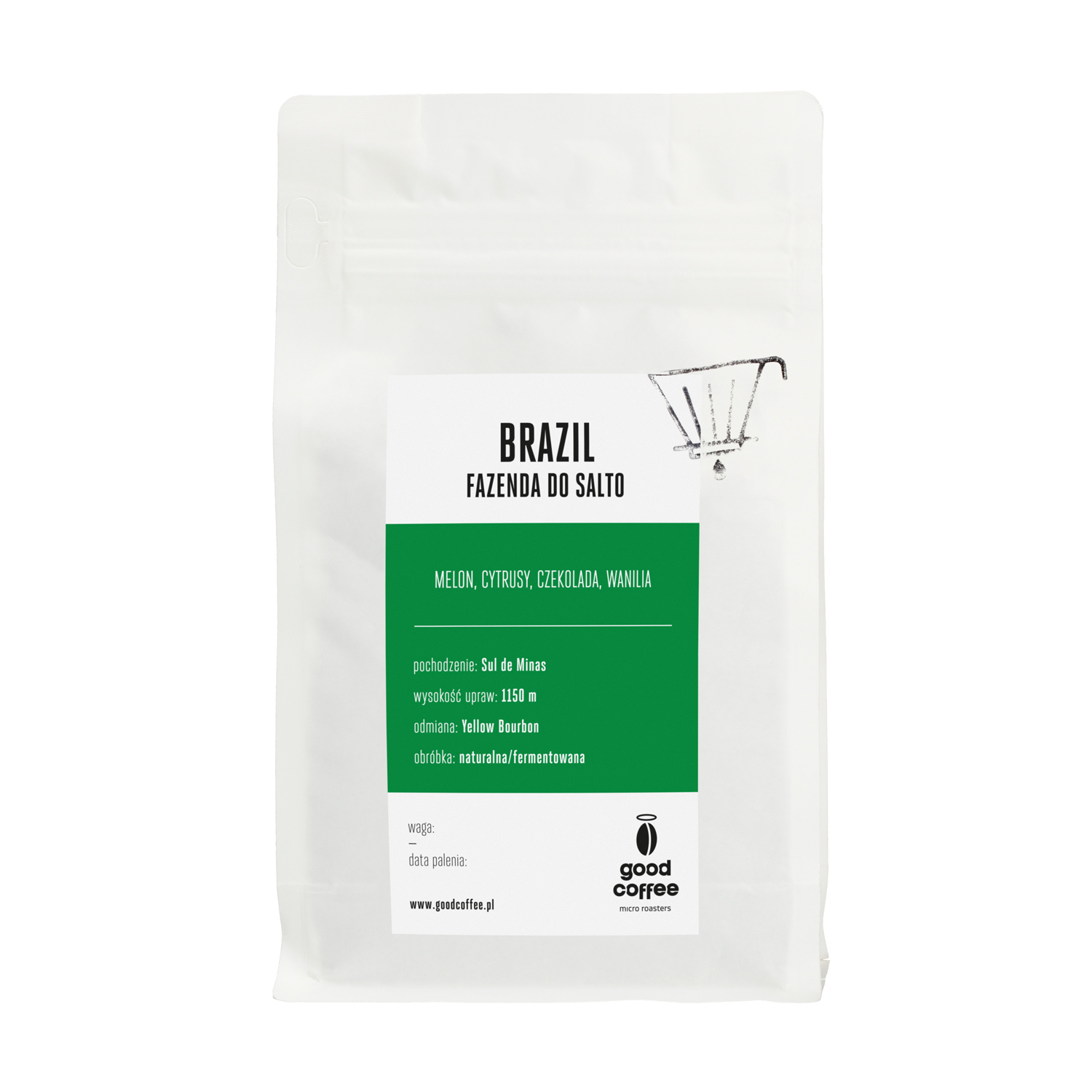
Speciality coffee from Brazil, roasted by Good Coffee Micro Roasters from Poland. Light roast, perfect for filter coffee machines, drippers, Chemex, AeroPress, French Press, and other pour-over brewing methods. You can expect loads of date and chocolate-like sweetness with natural hints of fruit.Country: BrazilRegion: Fazenda Salto, Carmo de Cachoeira, Minas GeraisProcess: NaturalVariety: Yellow BourbonAltitude: 1140 m a.s.l.Store in a cold and dry space.
Leave us your e-mail, we will let you know as soon as the selected product appears in the offer!
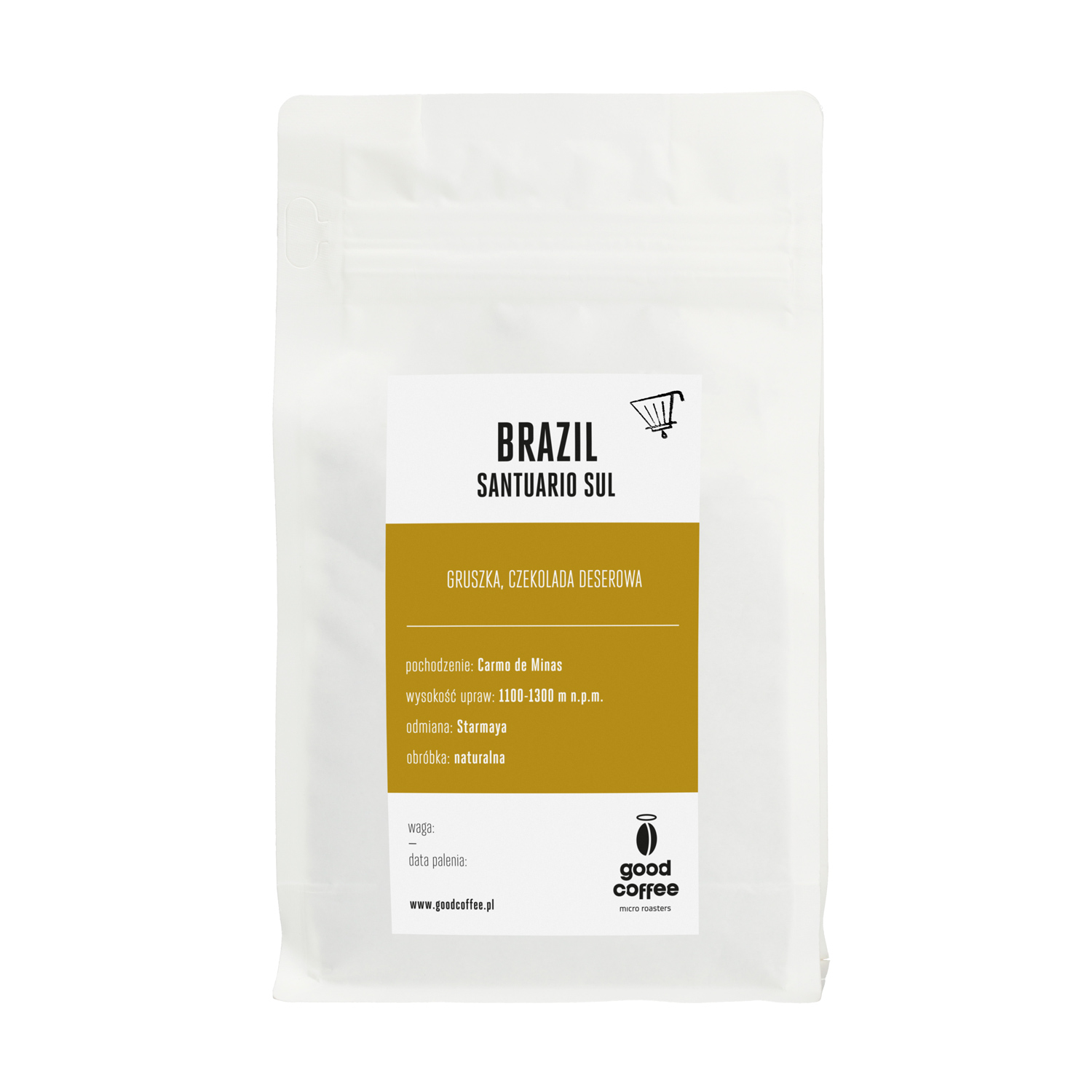
Whole-bean specialty coffee from Brazil, roasted by Good Coffee roasting brand. Light roast, perfect for filter coffee machines, drippers, Chemex, AeroPress, French Press, and other pour-over brewing methods. The brew resembles the flavour of sweet pear and dessert chocolate.Country: BrazilRegion: Minas GeraisFarm: Fazenda Santuario Sul (Luiz Paulo)Processing: NaturalVariety: StarmayaStore in a cool and dry place.
Leave us your e-mail, we will let you know as soon as the selected product appears in the offer!
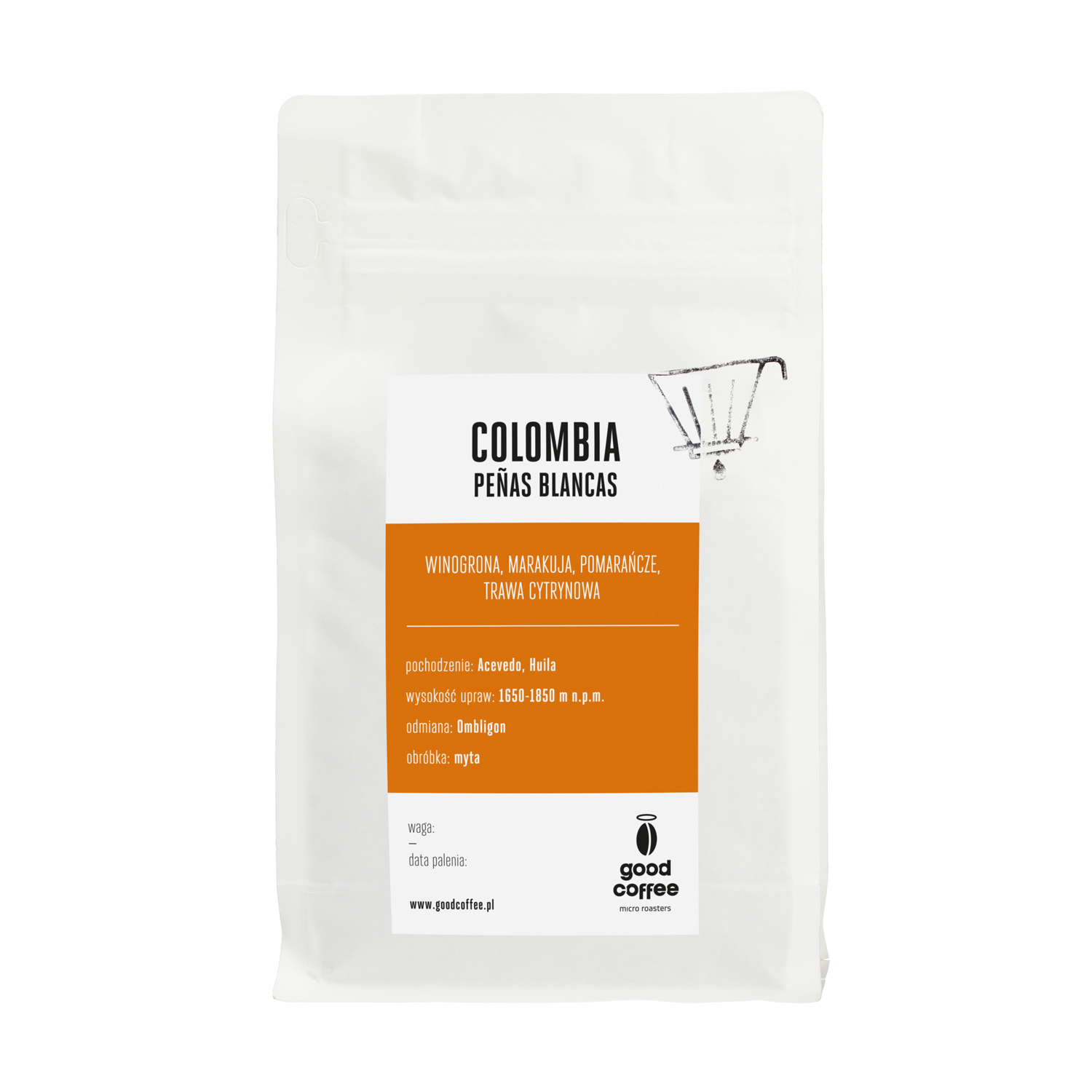
Whole-bean speciality coffee from Colombia, roasted by Good Coffee Micro Roasters from Poland. Light roast, perfect for filter coffee machines, drippers, Chemex, AeroPress, French Press, and other pour-over brewing methods. You can expect hints of passionfruit, lemongrass, citrus and grapes.Country: ColombiaRegion: Acevedo, HuilaVariety: OmbligonProcessing: WashedAltitude: 1650 - 1850 m n.p.m.ABOUT THE COFFEEA rare opportunity to try a "regular" washed Ombligon, without any fermentations.Store in a cold and dry space.
Leave us your e-mail, we will let you know as soon as the selected product appears in the offer!
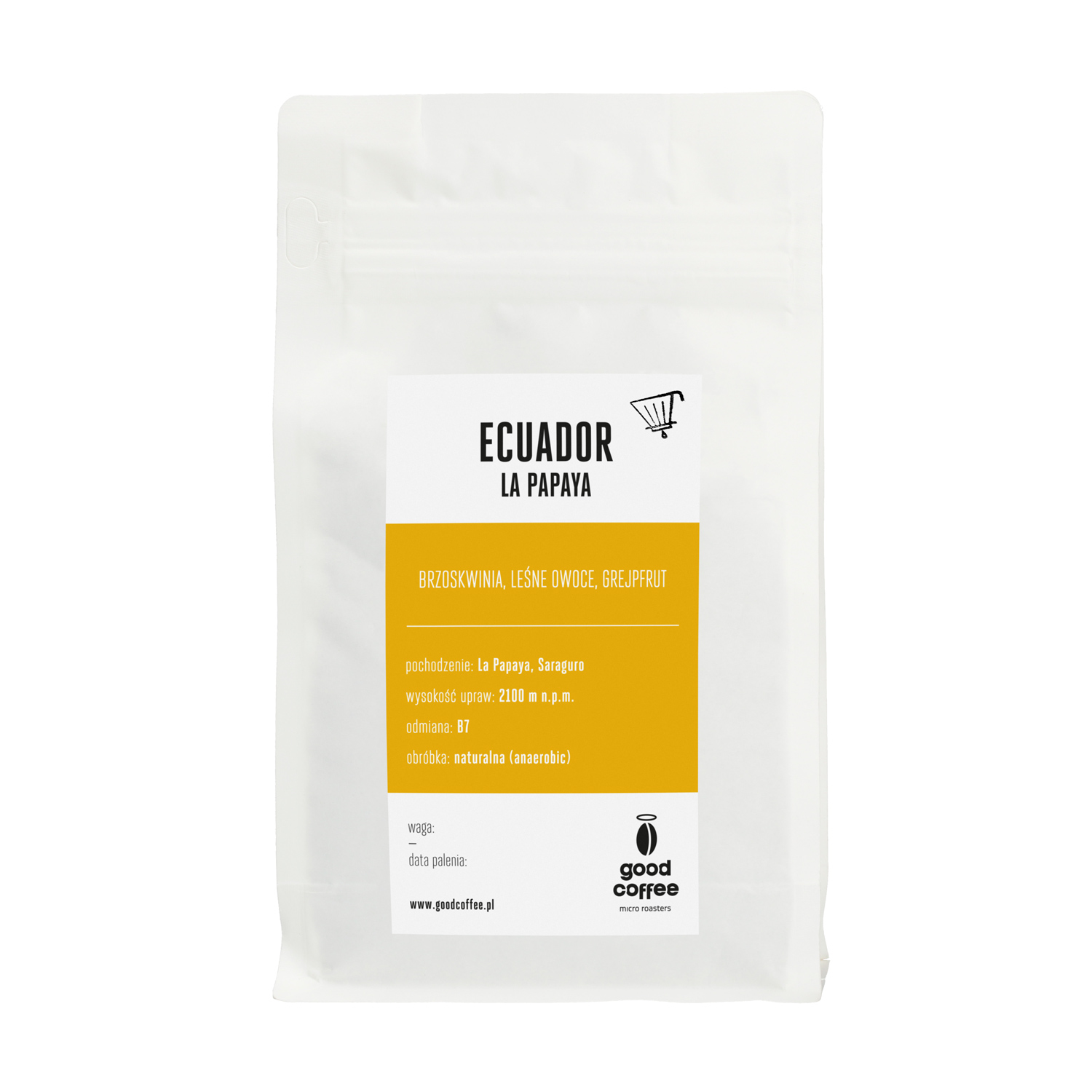
Whole-bean specialty coffee from Ecuador, roasted by Good Coffee roasting brand. Light roast, perfect for filter coffee machines, drippers, Chemex, AeroPress, French Press, and other pour-over brewing methods. The brew resembles the flavour of peach, forest fruits and grapefruits.Country: EcuadorRegion: SaraguroFarm: Finca La PapayaProcessing: Naturalna (anaerobic)Variety: B7Store in a cold and dry space.
Leave us your e-mail, we will let you know as soon as the selected product appears in the offer!
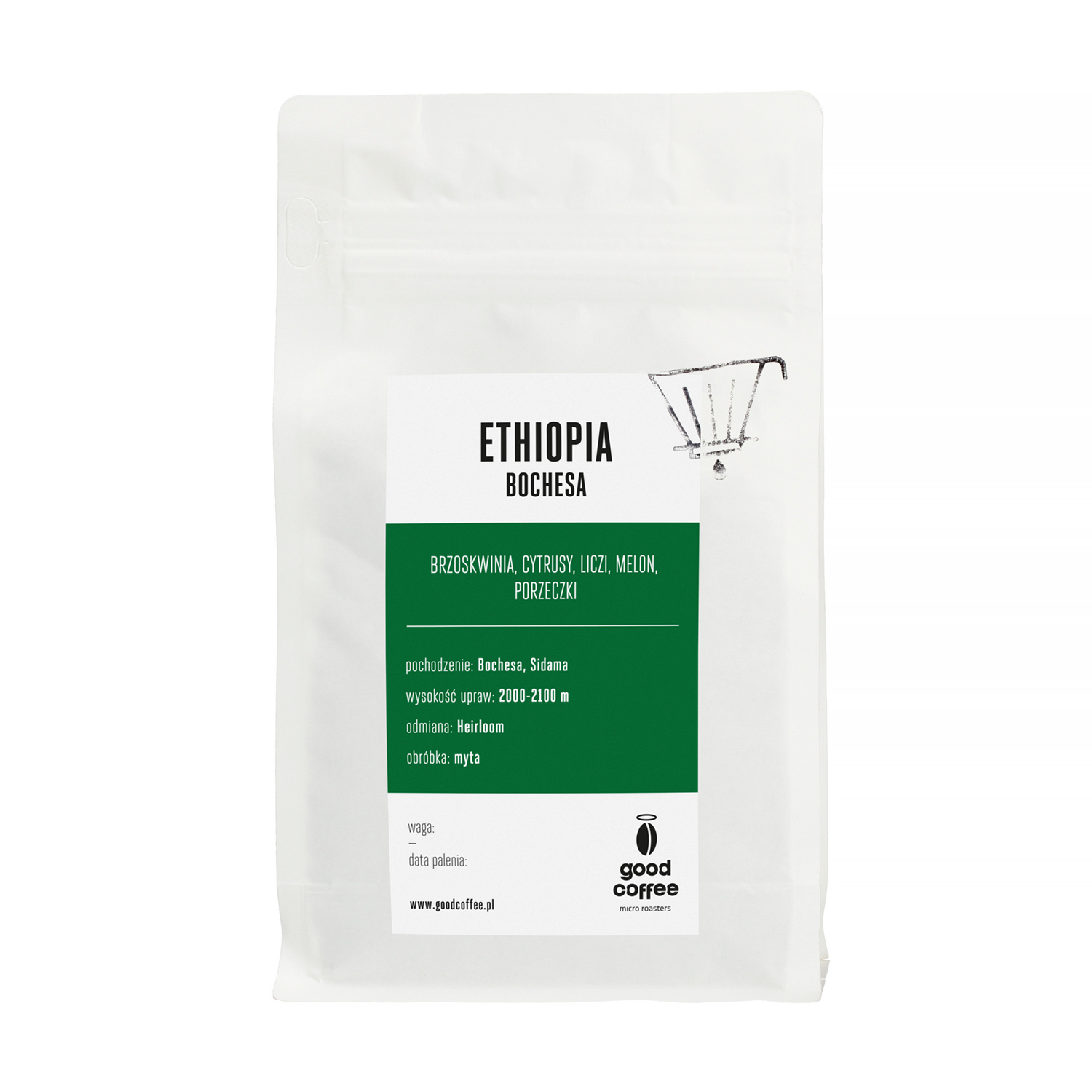
Whole-bean specialty coffee from Ethiopia, roasted by Good Coffee. Light roast, perfect for filter coffee machines, drippers, Chemex, AeroPress, French Press, and other pour-over brewing methods. You can expect hints of melon, peach, lychee, currants and citrus fruits.Country: EthiopiaRegion: SidamaProcessing: WashedAltitude: 2000 -2100 m a.s.l.Varietal: HeirloomStore in a cold and dry space.
Leave us your e-mail, we will let you know as soon as the selected product appears in the offer!
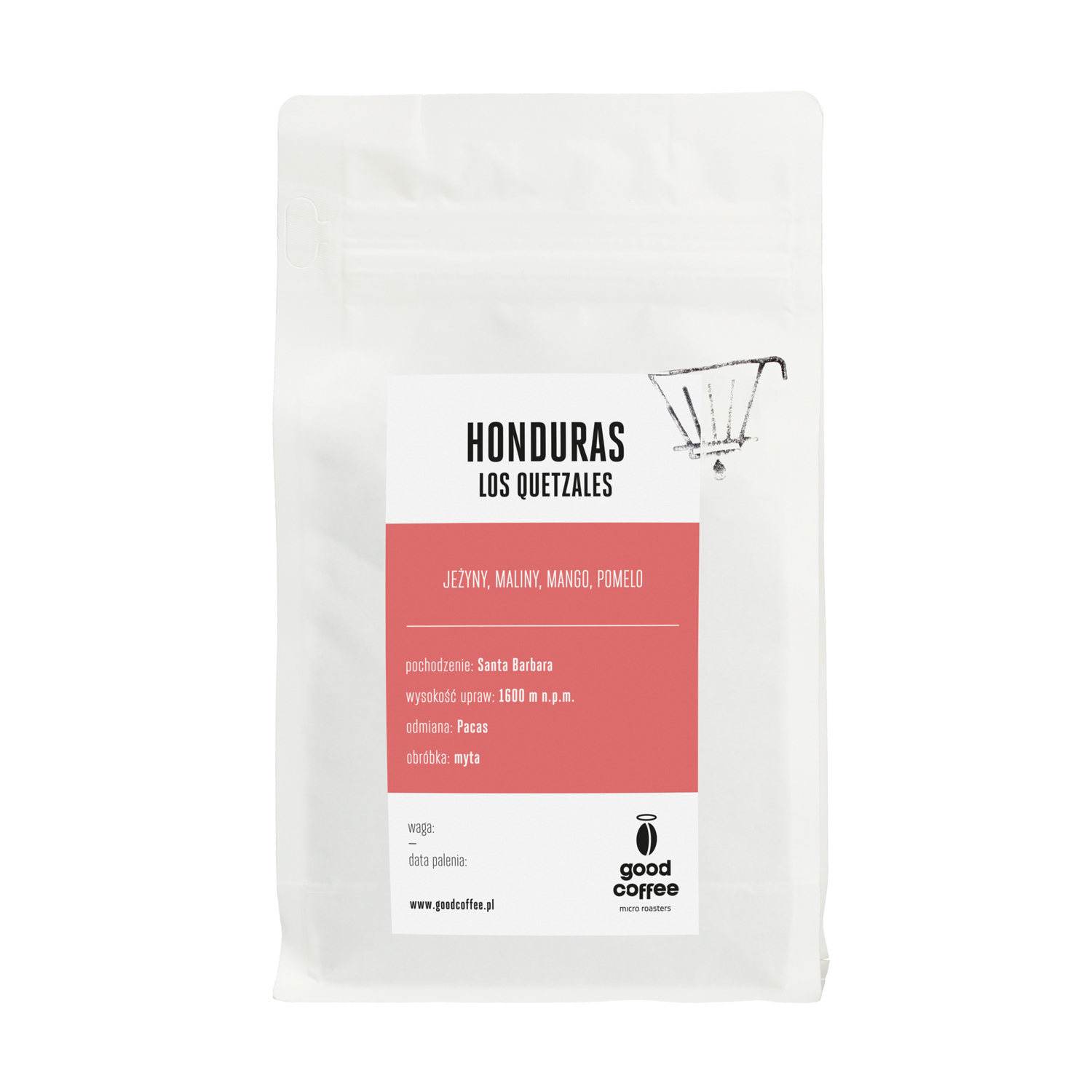
Whole-bean specialty coffee from Honduras, roasted by Good Coffee Micro Roasters from Poland. Light roast, perfect for filter coffee machines, drippers, Chemex, AeroPress, French Press, and other pour-over brewing methods. In the brew, you can expect the notes of blackberry, raspberry, mango and pomelo.Origin: HondurasRegion: Santa BarbaraProcessing: WashedVariety: PacasAltitude: 1600 m a.s.l.Store in a cold and dry space.
Leave us your e-mail, we will let you know as soon as the selected product appears in the offer!
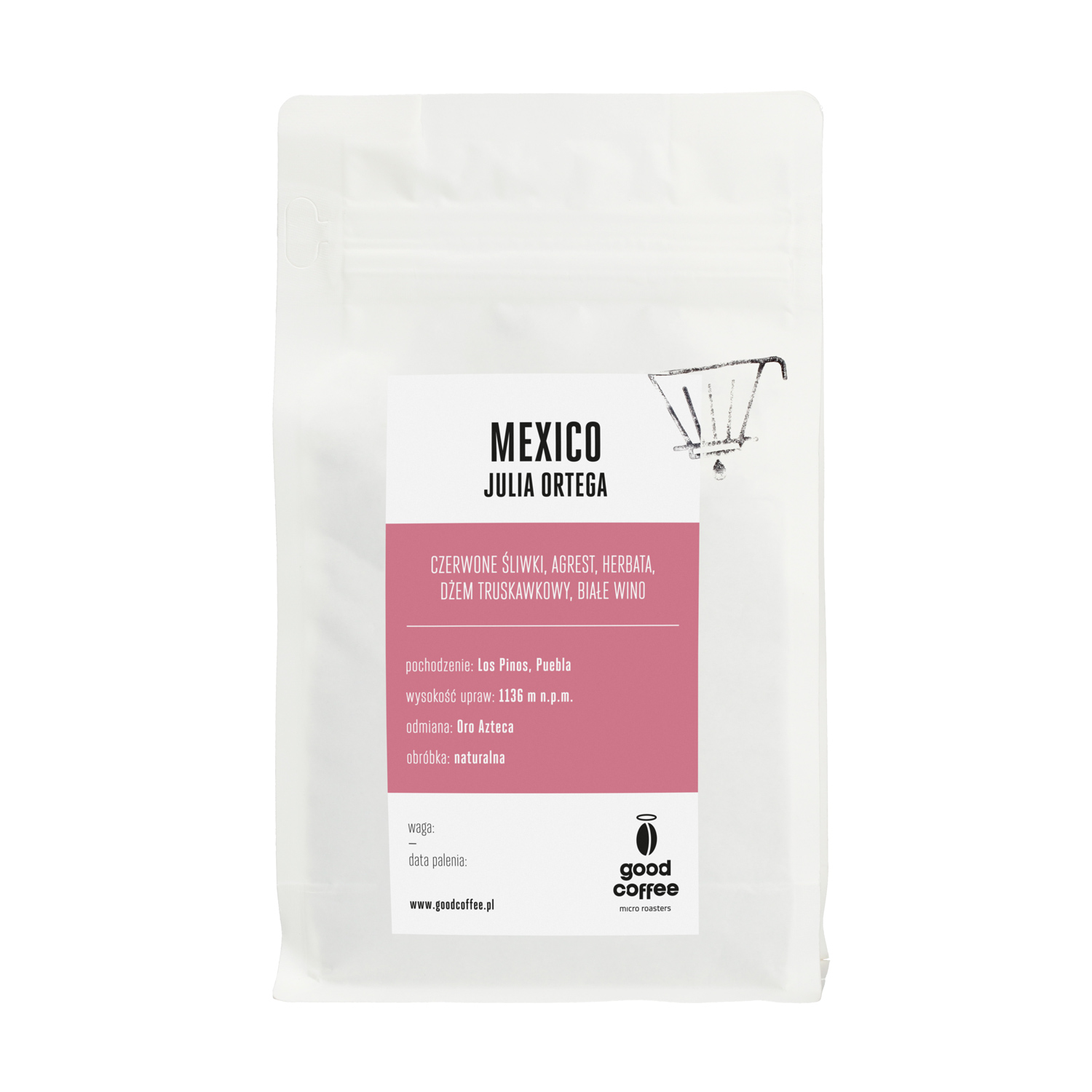
Whole-bean specialty coffee from Mexico, roasted by Good Coffee Micro Roasters from Poland. Light roast, perfect for filter coffee machines, drippers, Chemex, AeroPress, French Press, and other pour-over brewing methods. In the brew you can expect the notes of red plum, cranberry, tea, strawberry jam and white wine.Country: MexicoRegion: Los Pinos, PueblaProcessing: NaturalVarietal: Oro AztecaAltitude: 1136 m a.s.l.Store in a cold and dry space.
Leave us your e-mail, we will let you know as soon as the selected product appears in the offer!