




























37 - 45 of 45 available products
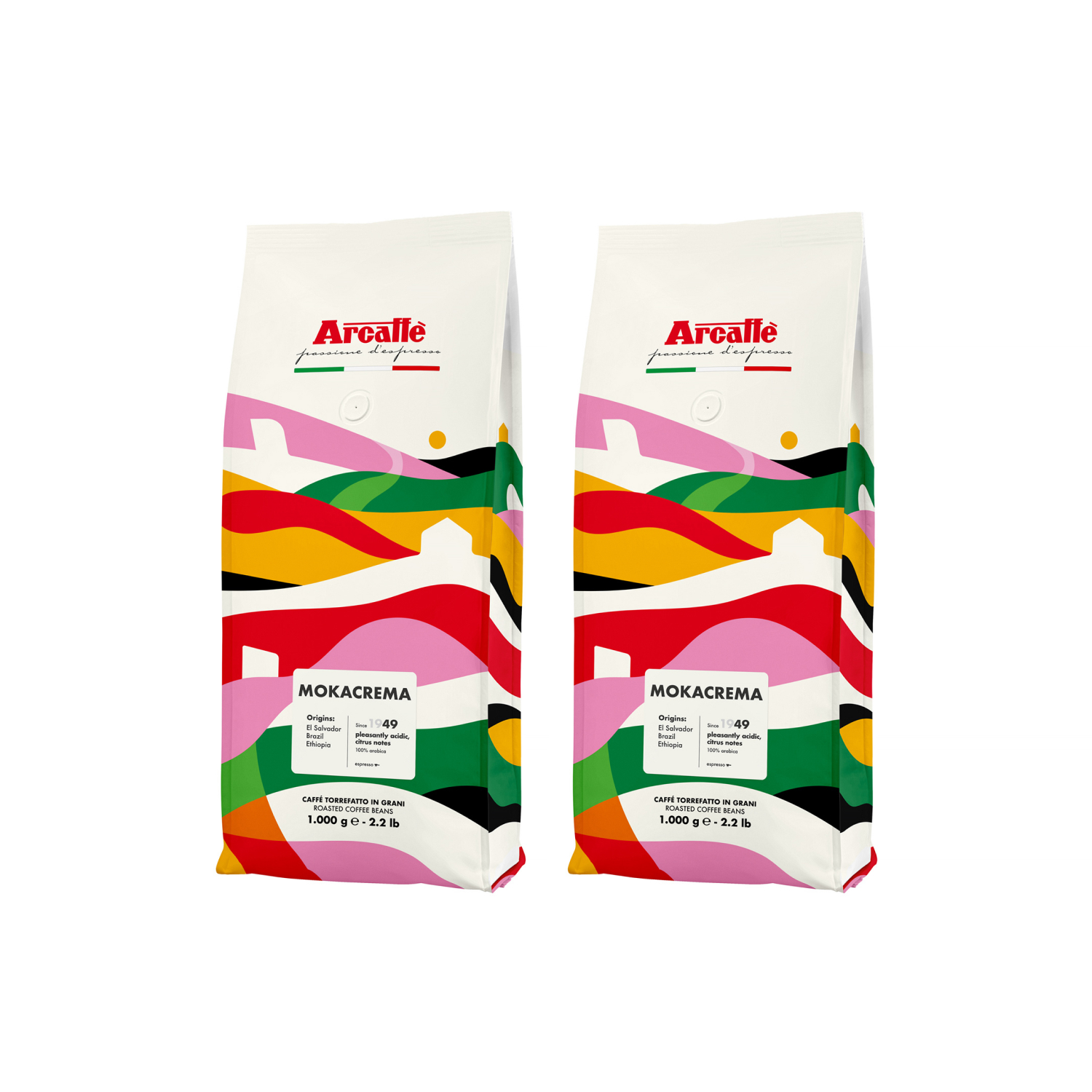
Arcaffe Mokacrema 2x 1kg
Manufacturer: ARCAFFE
Mokacrema is a valued blend produced by Arcaffe according to the original recipe since 1949. It is characterized by aromas of flowers and malt, and well-defined hints of citrus. Its delicate acidity is balanced with pleasant and lasting honey flavour.The blend consists in a hundred per cent of Arabica from plantations in Central America and Ethiopia.It is a combination of the following beans: - Guatemala, Finca El Hato Blue- Ethiopia, Sidamo special selection- El Salvador, Finca San Luis- Brazil - washed, Fazenda Monte AlegreThose coffees are certified by the "CSC ® - Certified Speciality Coffee Association of Italy" - All packages are labelled with a number and hologram proving their high-quality and preventing counterfeiting.
Lowest price: €36.89
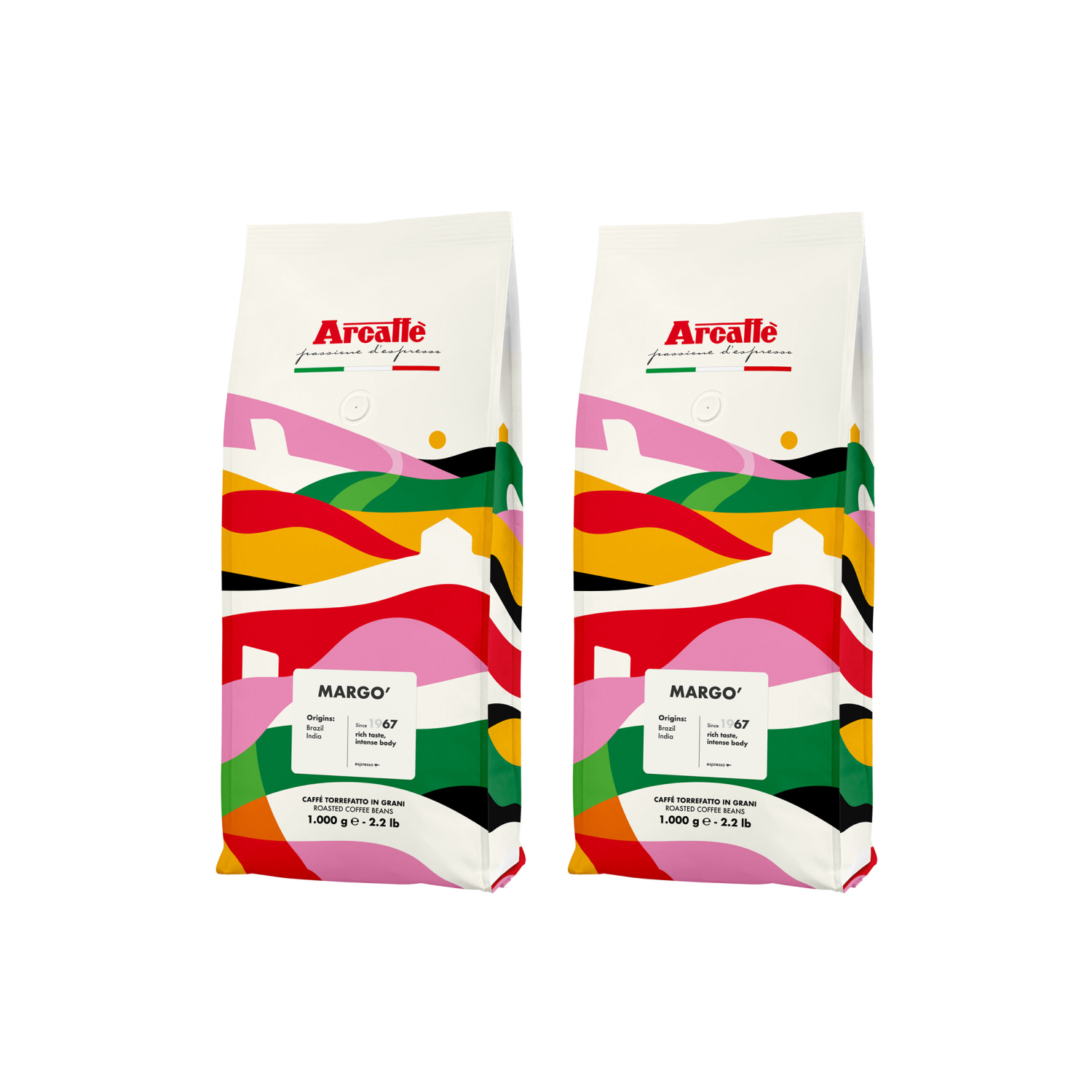
Arcaffe Margo 2x 1kg
Manufacturer: ARCAFFE
Arcaffe Margo is a balanced blend of strong coffee beans, but at the same time slightly soft and creamy with hints of chocolate.Margo is the highest quality 50/50 blend of Arabica and Robusta beans. Arabica gives the unique taste and Robusta allows to get dark and clear crema.Arcaffe Margo is strong coffee, perfect for stimulating espresso, it also works great in white coffees such as cappuccino or latte.
Lowest price: €28.79
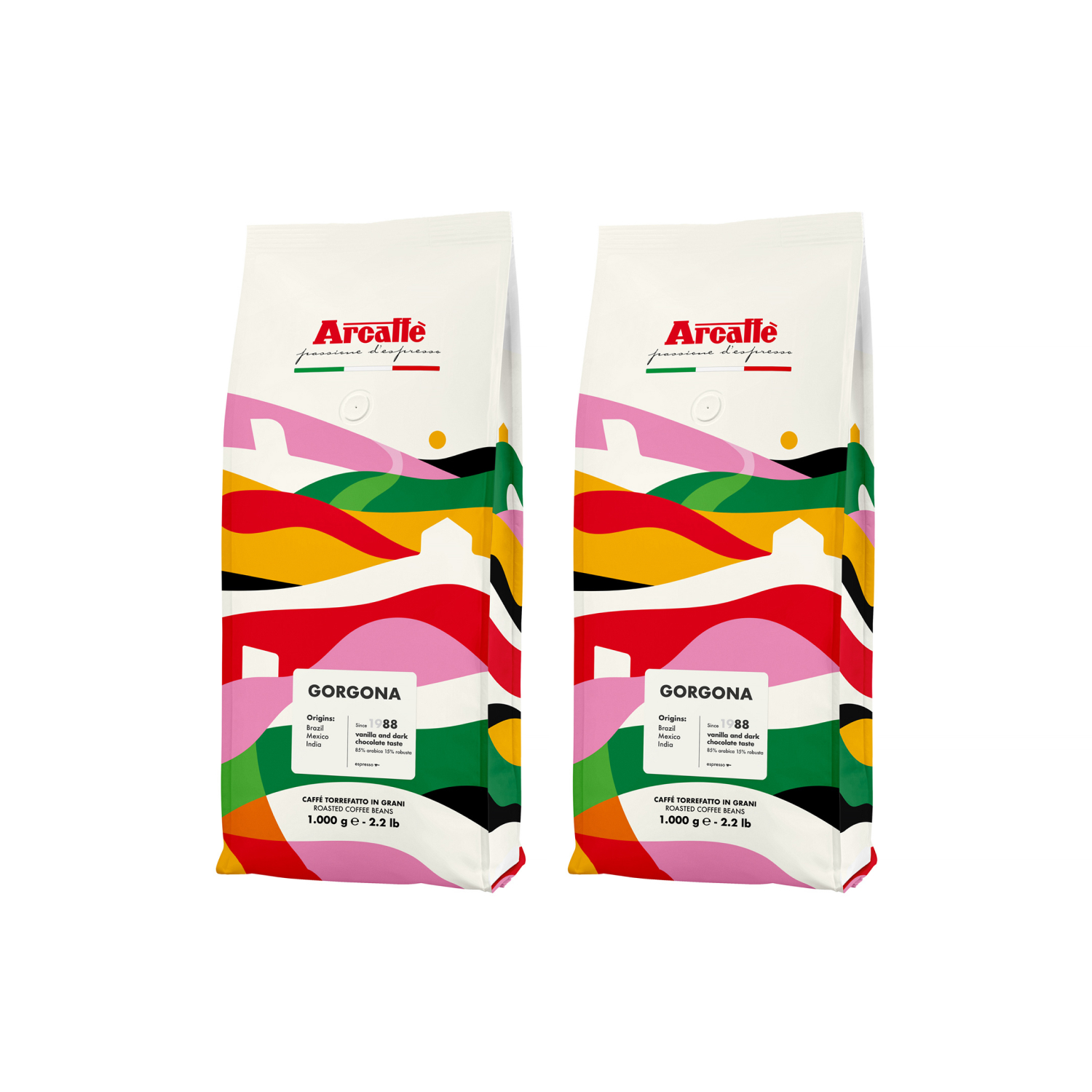
Arcaffe Gorgona 2x 1kg
Manufacturer: ARCAFFE
Gorgona is the name of an island within the Tuscan archipelago which is located near Livorno. It is also the name of the new blend from Arcaffee roaster of high-quality Arabica beans (85%) and Robusta (15%). It has been created for those who prefer more intense flavor.Coffee made with these beans is very well balanced, full bodied, with delicate acidity and strong aroma. It leaves mild licorice aftertaste.It is a blend of high quality Arabica beans (85%) and Robusta (15%):- Brazil - washed, Fazenda Lagoa do Morro- India, Vellakadai estate- Brazil - natural, Fazenda Samambaia- India - robusta, Manamboli estate.
Lowest price: €31.94
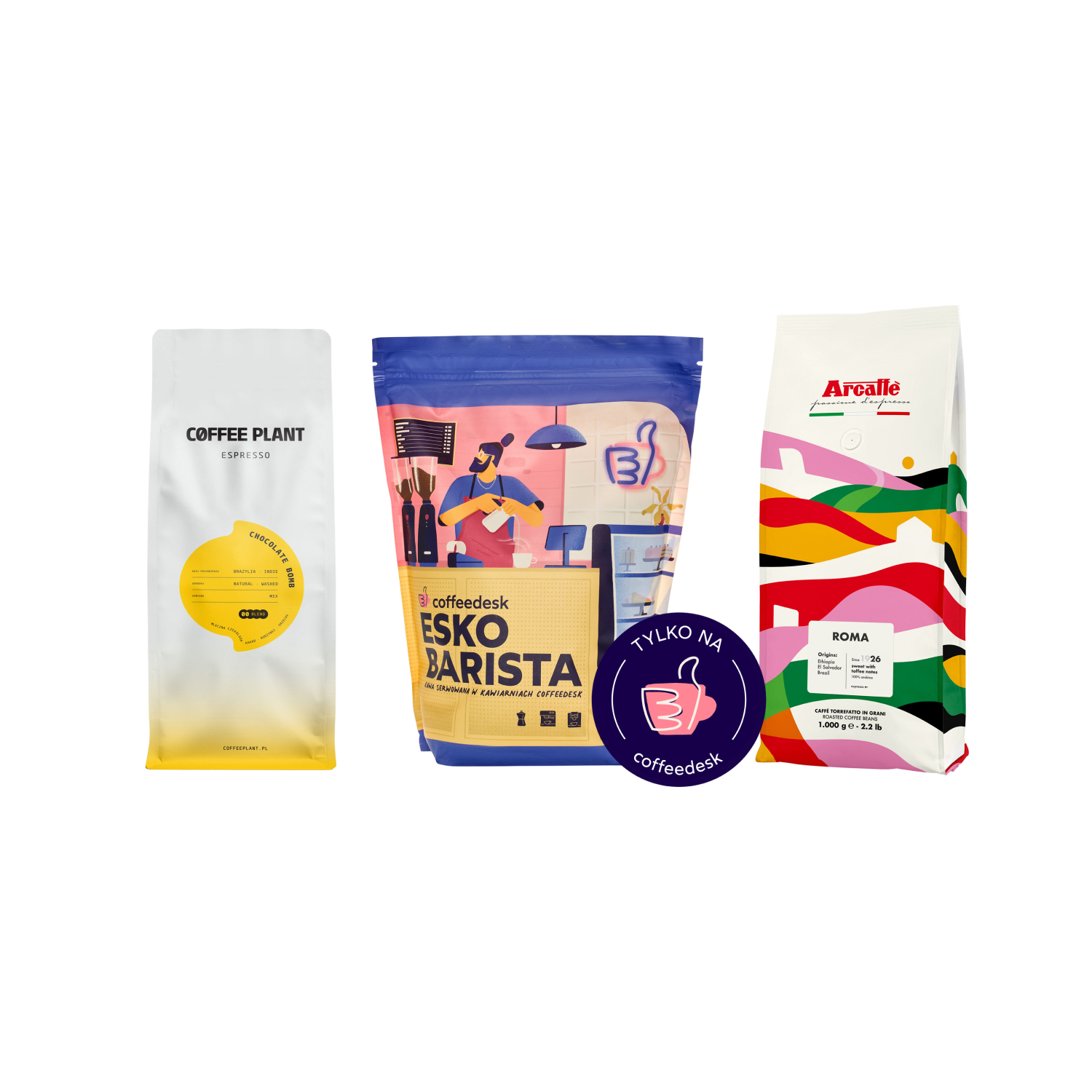
Set COFFEE PLANT Chocolate Bomb 1 kg + Coffeedesk Esko Barista 1 kg + Arcaffe Roma 1 kg
Manufacturer: COFFEE PLANT
Roasting date: 27.07.2026
Specialty coffee beans from Brazil and India, roasted in Poland by COFFEE PLANT. Dark roast, perfect for espresso, coffee machines, and moka pots. You can expect hints of cocoa, milk chocolate, nuts, and raisins.Country: Brazil, IndiaProcessing: NaturalVarietal: MixStore in a cold and dry space.
Lowest price: €36.89
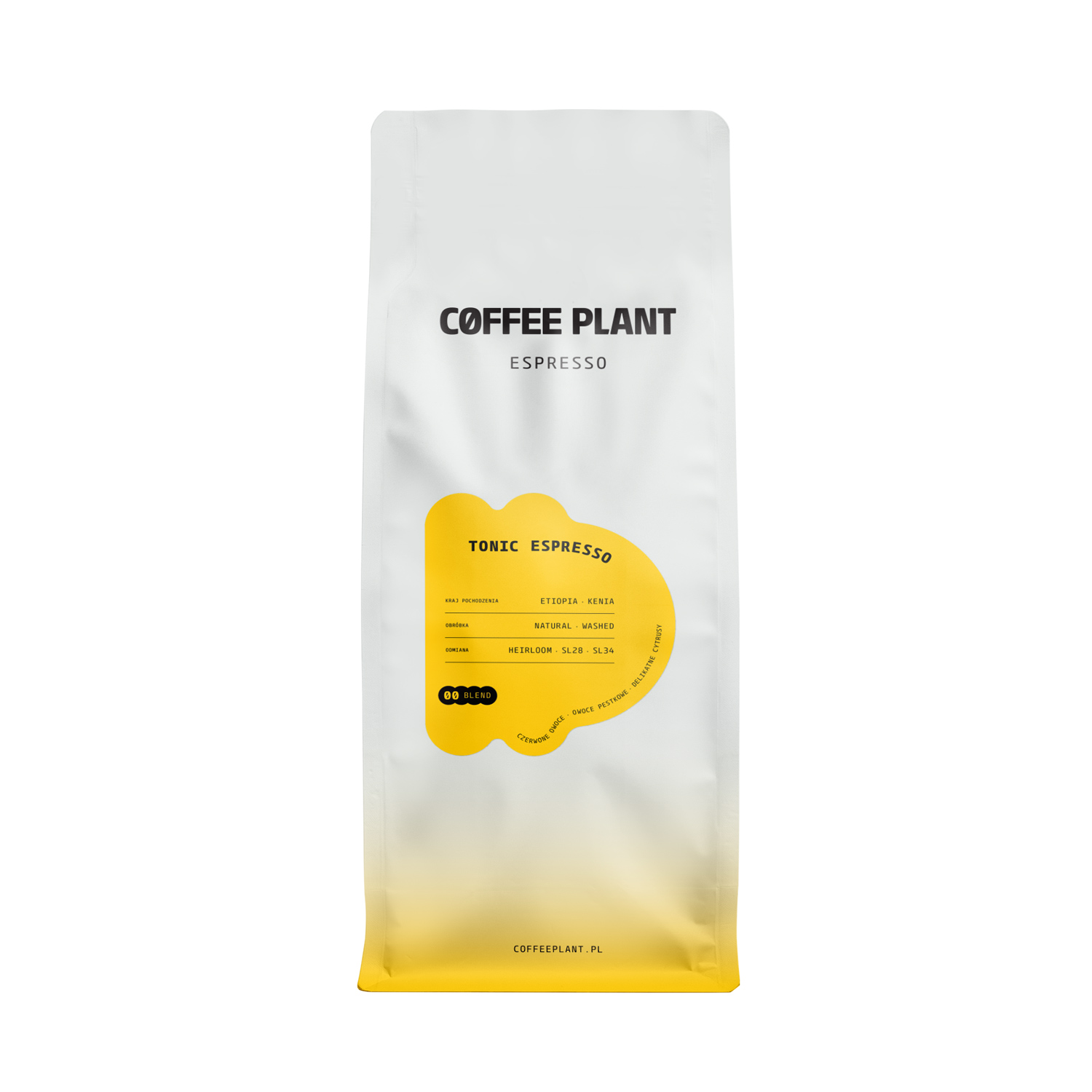
COFFEE PLANT - Tonic Espresso Blend Espresso 1 kg
Manufacturer: COFFEE PLANT
Roasting date: 25.06.2026
Whole-bean specialty coffee from Kenya and Ethiopia, roasted in Poland by COFFEE PLANT. Dark roast, perfect for espresso, coffee machines, and moka pots. You can expect hints of red fruits, stone fruits and fresh citrus.Country: Kenya, EthiopiaRegion: Nyeri, GujiVarietal: SL28, SL34, HeirloomProcessing: Natural/Fully washedAltitude: 1620-2230 m a.s.l.ABOUT THE COFFEEThis coffee was designed for espresso tonic — juicy, refreshing, and distinct enough to hold its own when combined with tonic water. Its profile features red fruits, stone fruits, and subtle citrus, which together build a fresh, fruity character.Washed processed Kenya brings clear, citrusy energy and structure, ensuring the espresso remains distinct even after mixing with tonic. Natural processed Ethiopia adds sweetness and an intense, fruity dimension — ranging from juicy red fruits to ripe stone fruits.The espresso itself is full of energy, clean, and naturally sweet, with a clear freshness in the background. When combined with tonic, the beverage becomes even lighter and more crisp — citrus notes boost the refreshment, fruity sweetness balances the dryness, and the whole composition results in a juicy, clear, and highly drinkable profile.ROASTER'S OPINIONThis coffee was created with espresso tonic in mind — intense, juicy, and bold enough to cut through even when mixed with tonic. Its profile is based on red fruits, stone fruits, and subtle citrus, which together create a fresh, fruity, and crisp character.In combination with tonic, the drink gains fullness and energy. Citrus notes enhance the refreshing effect, fruity sweetness softens the bitterness of the tonic, and the overall experience becomes both juicy and clear.This is exactly the profile expected from a good espresso tonic base — fresh, light, and very drinkable. Perfect for warm days and all moments when you feel like having something truly refreshing.RECIPEEspresso Tonic is a simple yet very refreshing drink, perfect for hot days. Just prepare a tall glass with ice, pour in about 150 ml of tonic, and then gently add a freshly brewed espresso. The result is a light, sparkling drink with a pleasant citrus and coffee character.For extra aroma, you can add a few slices of orange or grapefruit — they will emphasize the freshness and give the drink a more complex flavor profile.For the espresso, a classic recipe works best: 18 g of finely ground coffee to obtain about 35–40 g of brew in approximately 30 seconds. The order is key — tonic first, then espresso. In the reverse version, the drink may foam up excessively and "overflow" from the glass.Store in a dry and cool place.
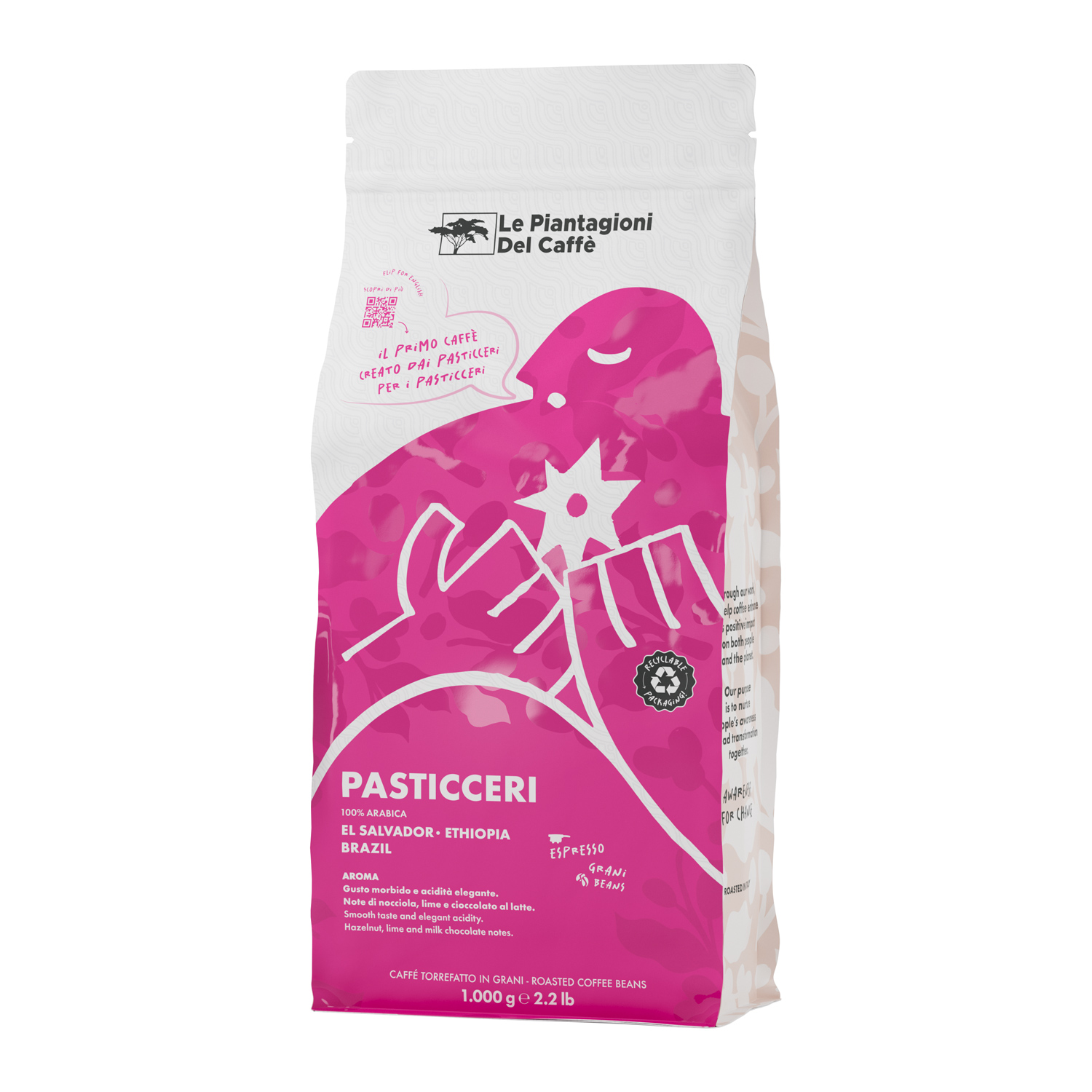
Le Piantagioni del Caffe - Pasticceri Espresso 1kg
Manufacturer: LE PIANTAGIONI DEL CAFFE
Pasticceri is a blend of Arabicas from Ethiopia, El Salvador, and Brazil, roasted by the renowned Italian roastery Le Piantagioni del Caffè. A coffee with a mild flavor and a pronounced acidity, featuring noticeable notes of hazelnuts, lime, and milk chocolate.Pasticceri is not just a coffee blend, but the result of collaboration between creative pastry chefs and the team at Le Piantagioni del Caffè. During two sessions at the Espresso Academy La Marzocco in Florence and at the Officina Dalla Corte training center in Milan, the pastry chefs involved in the project explored the world of single-origin coffees, discovering unique aromatic notes and flavor profiles.The plantations from which this blend originates:Yrgalem, EthiopiaFinca San Ramon, El SalvadorFazenda Samambaia and Fazenda Monte Alegre, BrazilStore in a cold and dry space.
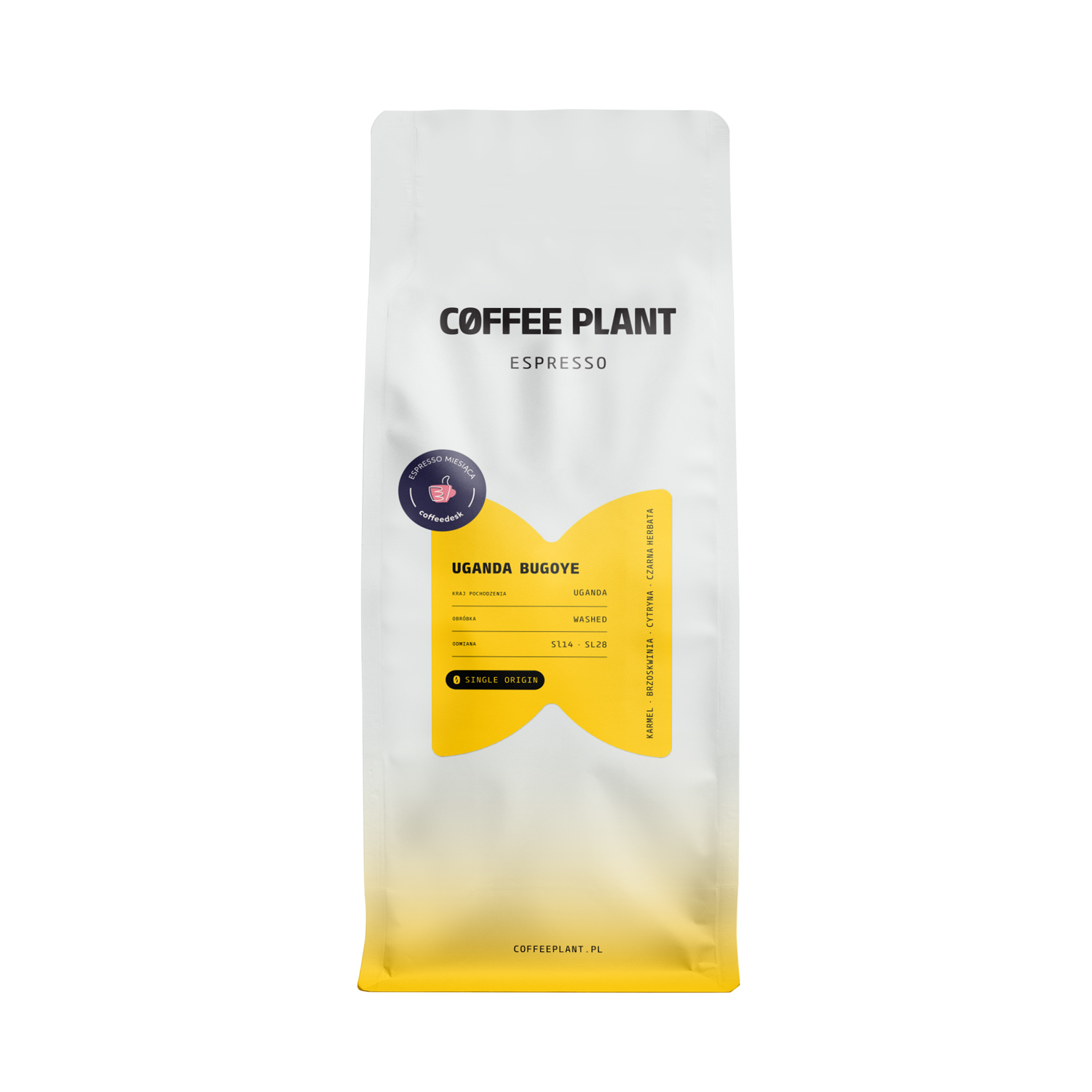
COFFEE PLANT - Uganda Bugoye Fully Washed Espresso 1 kg
Manufacturer: COFFEE PLANT
Roasting date: 20.04.2026
Whole-bean specialty coffee from Uganda, roasted in Poland by COFFEE PLANT. Dark roast, perfect for espresso, coffee machines, and moka pots. You can expect hints of caramel, peach, lemon and black tea.Country: UgandaRegion: Kasese DistrictFarm: Bugoye Washing StationProducent: Kyagalanyi Coffee Varietal: SL14, SL28Processing: Fully WashedAltitude: 1700-2200 m a.s.l.ABOUT THE REGION AND THE FARMThe magnificent Rwenzori Mountains, known as the "Mountains of the Moon," stretch for over 120 km across western Uganda. High altitude, fertile volcanic soils, abundant rainfall, and appropriate temperatures create ideal conditions for growing high-quality coffee, while rivers flowing from the snow-capped peaks effectively irrigate the surrounding areas.Farmers delivering coffee cherries to the Bugoye washing station cultivate coffee trees on very small farms (approx. 2 acres), working by hand, often with the help of their entire families. This is because coffee serves as their primary source of income. Although the region is mainly famous for natural process coffees, washed coffees are also produced here—and that is exactly what this coffee is.Due to difficult access, many farms can only be reached on foot. To facilitate sales, 18 collection points were established, from which the coffee is transported for further processing. The mission of the Bugoye station is sustainable development, supported by professional agronomists working directly with local farmers.ABOUT THE PROCESSINGThe coffee cherries delivered to Bugoye are grown and harvested at altitudes between 1,700 and 2,200 meters above sea level. In addition to washed coffees, the station itself produces classic naturals, honey-processed coffees, and has also begun conducting experiments with fermentation. After the processing phase, the coffees were exported by Kyagalanyi Coffee, which is the first company in Uganda to receive a coffee export license.The washed process at Bugoye begins by placing the harvested cherries into large fermentation tanks filled with water. Anything that floats to the surface is then removed—damaged cherries, underripe ones, and all foreign objects like leaves or sticks. Next, the coffee is passed through a depulper and moves to further water tanks, where it is "washed" and ferments for 24 hours. Finally, the beans in parchment are dried, hulled, and packed into GrainPro bags.ROASTER'S OPINIONUganda is another African country where coffee production methods are changing dynamically. This momentum also greatly affects the quality of the beans sourced from there. For years, coffees from Uganda were primarily associated with low-quality Robusta. While high-quality microlots did appear, they were rare exceptions.The current situation in the green coffee market and the work of importers and exporters have ensured that the quality of Ugandan coffee improves year after year, with more high-quality coffee entering the market. We observe an improvement in bean quality annually, even as a result of minor adjustments to production processes.This washed lot from the Bugoye station is particularly interesting because it is very complex and somewhat unusual for washed beans from Uganda. The coffee has a light, tea-like body, reminiscent of those well-known from Ethiopia. The acidity is medium, citric, and delicately sparkling. The whole profile is complemented by a caramel-peach sweetness that is noticeable in the long aftertaste. This is the case for espresso, but after adding milk, the coffee changes dramatically. Although it remains light and tea-like, such as washed Ethiopias, the caramel-peach sweetness begins to stand out, creating a delicious, sweet milk coffee.RECIPEUse 18 grams of beans to brew 40 grams of espresso. Grind the coffee finely to aim for an extraction time of approximately 25 seconds. If you want to slightly suppress the acidity and boost the sweetness, grind a bit coarser to extend the extraction by a few seconds.Store in a cold and dry place.
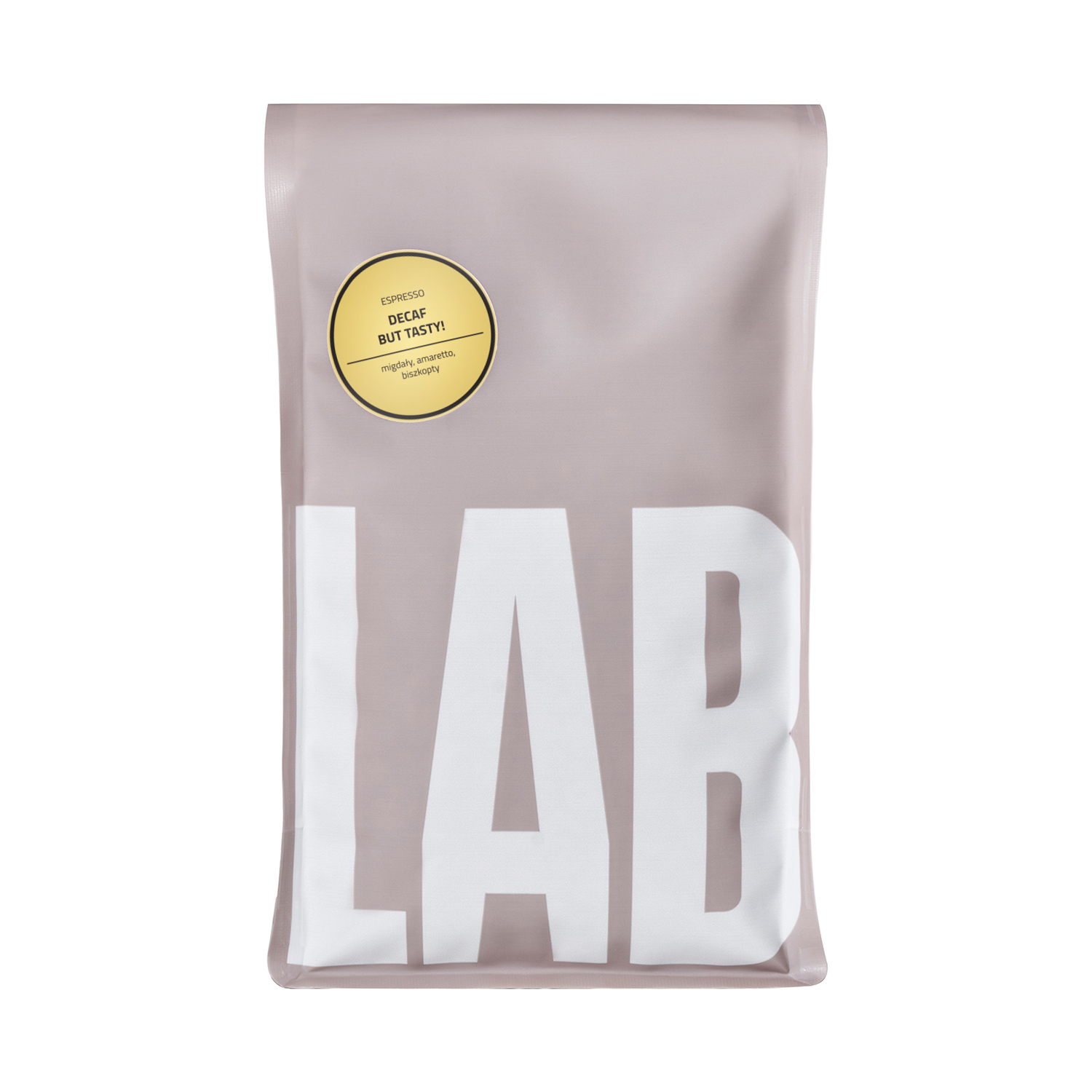
COFFEELAB - Decaf But Tasty Washed Espresso 1 kg
Manufacturer: COFFEELAB
Roasting date: 11.05.2026
Whole-bean specialty coffee from Colombia, roasted in Warsaw by Coffeelab. Dark roast, perfect for espresso machines and moka pots. You can expect hints of almonds, amaretto and biscuits.Country: ColombiaRegion: HuilaMethod of decaffeination: SugarcaneProcessing: WashedAltitude: 1400 – 2000 m a.s.l.Variety: Castillo, Caturra, ColombiaABOUT COFFEEIn this edition, Decaf but Tasty! reminds us entirely of tiramisu. First, a dessert-like base of sponge fingers. Then plenty of sweetness, notes of almonds and that sweet-bitter amaretto accent.This coffee comes from Huila, Colombia, and follows a classic washed process. The beans are sourced from small-scale producers working on a few hectares each, where selective picking and controlled fermentation are the norm rather than the exception. Depulped on the day of harvest, fermented for 12–36 hours, then thoroughly washed and dried to the desired moisture level. The result is a clean, structured base that translates into clarity and balanced sweetness in espresso.Caffeine is removed using the EA (ethyl acetate) method. It is a compound that occurs naturally in fruit and as a by-product of sugar fermentation. The green coffee, already processed, is first steamed under low pressure to open up its structure. It is then placed in a water-EA solution, which binds to the caffeine molecules. The process is repeated until caffeine is no longer detectable. Finally, the coffee is steamed once more to remove any remaining traces, then dried and prepared for export.The result is a decaffeinated espresso that feels complete. Sweet, expressive and simply good.Store in a cold and dry space.Rebranding is underway, so you may receive either the old or the new version of the packaging in your parcel. The coffee remains the same, only the label has undergone a makeover.
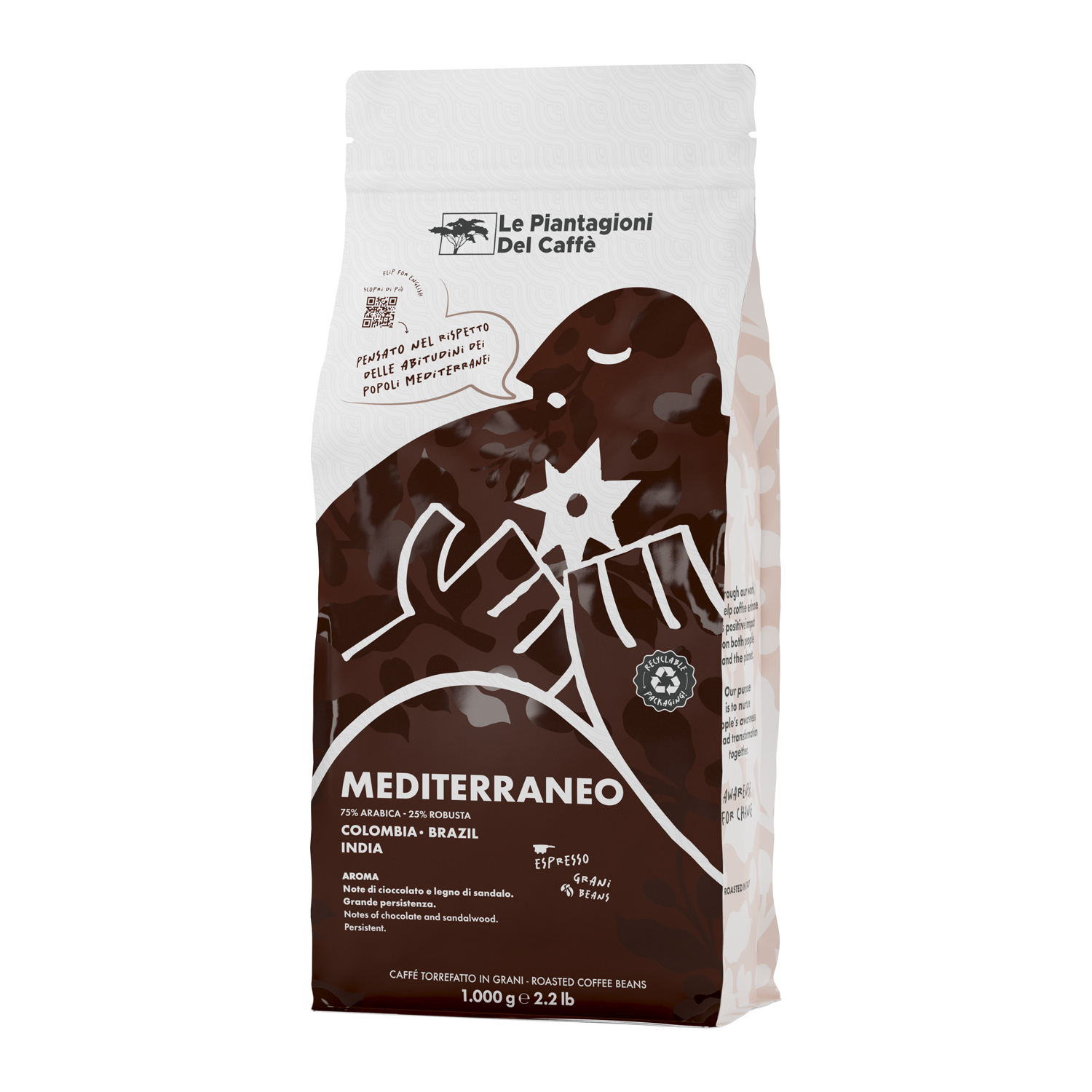
Le Piantagioni del Caffe - Mediterraneo 1kg
Manufacturer: LE PIANTAGIONI DEL CAFFE
This is a blend of Arabica from India, Brazil, and Mexico, roasted by the highly regarded Italian Le Piantagioni del Caffè roaster. Coffee with a persistent aroma highlighted by notes of dark chocolate and sandalwood.Beans included in the blend: - India - Raigode- Brazil - Cerrado, Sul de Minas- Mexico - VeracruzStore in a cold and dry space.